How to Propagate Black prairie clover?
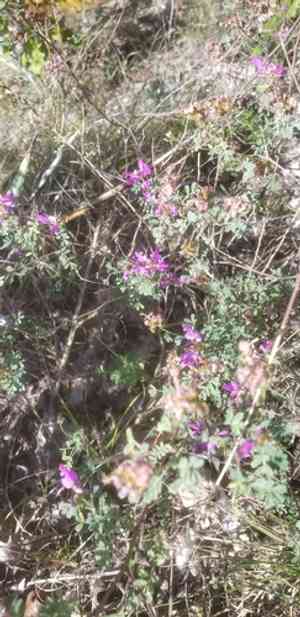
Originating from North America, black prairie clover is a robust perennial flourishing in permeable soils and ample sunlight. For successful propagation of black prairie clover, select vigorous cuttings possessing a minimum of two nodes. Maintain adequate moisture for the cuttings without saturating them, and position them in a well-draining substrate. Provide a warm, illuminated environment to stimulate root formation.
Optimal Period for Black Prairie Clover Propagation
Propagation Method
Cutting
Propagation Period
Spring,Summer
Tools Required for Black Prairie Clover Propagation
Pruning Shears
Pruning shears are crucial for obtaining clean, precise cuttings from black prairie clover. They help prevent plant damage and ensure neat cuts that encourage faster, healthier root formation.
Rooting Hormone
Rooting hormone is utilized to stimulate quicker root growth in cuttings taken from black prairie clover. It significantly boosts the success rate of cuttings by enhancing their capacity to develop roots.
Propagating Trays and Pots
These containers offer a controlled environment for cuttings to establish roots. They provide adequate space, drainage, and soil aeration, all vital for the initial growth phases of the cuttings.
Sharp Knife or Scalpel
A sharp knife or scalpel is employed to make accurate cuts for black prairie clover propagation. This tool ensures clean cuts, reducing the risk of tissue damage that could lead to infections or failed rooting.
Humidity Dome
A humidity dome aids in creating a moist microclimate around cuttings, essential for preventing desiccation during the rooting process. For black prairie clover, maintaining moisture levels is critical for effective propagation.
Heating Mat
A heating mat delivers consistent warmth to the base of rooting cuttings. This is particularly beneficial for black prairie clover as it replicates the warm soil conditions naturally required for successful root development.
Spray Bottle
A spray bottle is used to mist cuttings and keep foliage hydrated without over-saturating the soil. This is important for maintaining the delicate moisture balance needed for black prairie clover cuttings to root successfully.
Labeling Stakes
Labeling stakes assist in identifying and tracking various cuttings. This helps in monitoring the progress and specific requirements of each black prairie clover cutting during the propagation process.
How to Propagate Black Prairie Clover?
Propagation Type
Moderately Difficult
Post-Propagation Care for Black Prairie Clover
Post-Propagation Care for Black Prairie Clover
Following successful propagation, maintain a consistent watering regimen to keep the soil slightly damp. Black prairie clover thrives in full sun, so gradually introduce the young plant to direct sunlight. Ensure the plant is in well-draining soil to prevent root rot. Regularly inspect for pests and diseases, and prune as needed to promote robust, bushy growth. Lightly fertilize with a balanced, slow-release fertilizer to support ongoing development.
Common Errors to Avoid When Propagating Black Prairie Clover
Overwatering
Many gardeners tend to overwater black prairie clover, which can cause root rot as this plant prefers well-drained soil.
Inadequate Soil Choice
Using soil that retains too much moisture or lacks proper drainage can negatively impact root development.
Insufficient Light
Not providing enough sunlight can result in weak, leggy growth as black prairie clover thrives in full sun.
Incorrect Temperature
Failing to maintain the appropriate temperature range can hinder seed germination and plant growth.
Neglecting Pest Control
Ignoring potential pest issues can lead to infestations that damage the foliage and roots of black prairie clover.
Advice for Propagating Black Prairie Clover
Well-Draining Soil
Utilize a sandy or gravelly soil mix to ensure proper drainage and prevent waterlogging.
Sunlight Exposure
Position black prairie clover in a spot that receives at least 6-8 hours of direct sunlight daily.
Temperature Monitoring
Maintain a stable temperature range suitable for black prairie clover to promote healthy growth and strong root systems.
Moderate Watering
Water sparingly and only when the soil is completely dry to the touch to prevent root rot.
Pest Management
Regularly inspect the plant for pests and address issues promptly using appropriate natural or chemical solutions.



