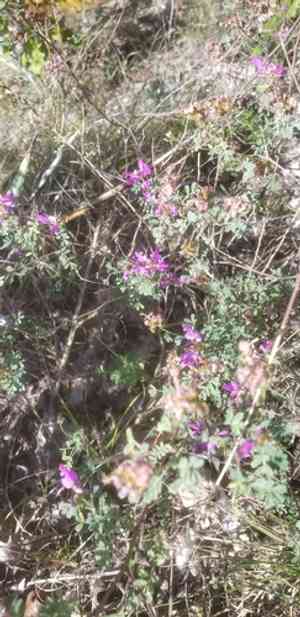
Black prairie clover (Dalea frutescens)
Also known as: Black Dalea, Black Dalea Bush
The plant you're referring to is likely the Black Prairie Clover (Dalea enneandra). This hardy shrub thrives in arid conditions, utilizing its deep roots for optimal water absorption. It flourishes in full sunlight and features delicate green foliage. In spring, it bursts into vibrant purple blooms, attracting numerous pollinators. Its compact size makes it an excellent choice for water-efficient gardens.
In This Article
Attributes of Black prairie clover
Lifespan
Perennial
Plant Type
Shrub
Plant Height
30 cm to 91 cm
Spread
1.2 m
Leaf Color
Green
Flower Size
0.5 to 1 inch (1.3 to 2.5 cm)
Flower Color
Purple
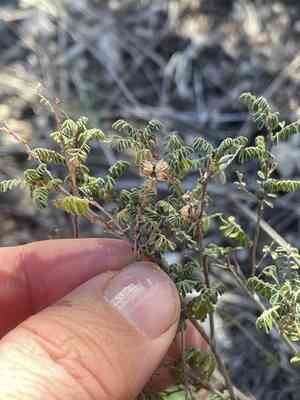
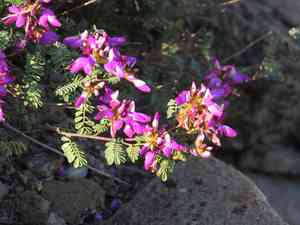
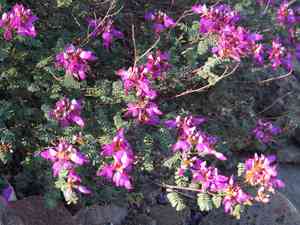
Images of Black prairie clover
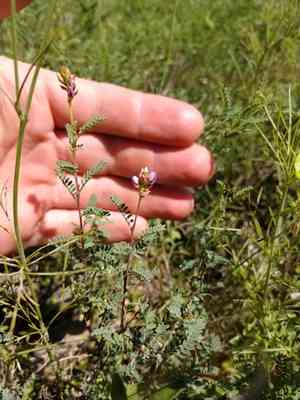
Quickly Identify Black prairie clover
1
Dalea frutescens can be identified by its pinnate leaves, which are composed of 5 to 9 small leaflets, and its dense clusters of bright purple flowers that bloom primarily in the fall.
Scientific Classification of Black prairie clover
Phylum
Vascular plants
Class
Dicotyledons
Order
Fabales
Family
Legume
Genus
Prairie clover
Species
Black prairie clover
Planting and Growing of Black prairie clover
Care Difficulty
Easy
Watering Schedule
Every 3 days
Sunlight Requirements
Full sun
Sunshine Duration
6-8 hours
Ideal Temperature
65-85℉
Soil Type
Potting Mix, Peat Mix
Soil pH
6.5-7.5
Fertilizer Type
Balanced
Pruning Season
Spring, Summer
Pruning Area
Branches, Leaves
Pruning Frequency
2 times a year
Repotting Season
Spring
Pot Type
Terracotta, Plastic
 How to Water Black prairie clover?
Dalea frutescens thrives best when watered deeply but infrequently. Each watering session should provide approximately 500 milliliters of water, enough to moisten the soil thoroughly but not so much that it's soggy. Ensure the water penetrates down to the deeper roots, which encourages healthy root growth and resilience.
What are the symptoms of an underwatered Black prairie clover?
›
What should I do if my Black prairie clover is not getting enough water?
›
What are the symptoms of an overwatered Black prairie clover?
›
How to save an overwatered Black prairie clover?
›
 What Are the Sunlight Requirements for Black prairie clover?
Dalea frutescens thrives best with full to partial sun, preferably 6 to 8 hours daily. This light range ensures the plant can maintain robust health, with frequent, vibrant flowering contributing greatly to its aesthetic and ecological presence.
How to Achieve Ideal Light for Dalea frutescens?
›
Should Dalea frutescens Be Protected from Excessive Sunlight?
›
What Are the Benefits of Optimal Light for Dalea frutescens?
›
 What Is the Ideal Temperature Range for Black prairie clover?
Dalea frutescens thrives in a temperature range between 65°F and 85°F. Maintaining this range will ensure proper photosynthesis and metabolic processes, promoting healthy growth and development.
 What Soil is Best for Black prairie clover?
Dalea frutescens thrives in well-drained soils, which prevents root rot and other diseases. Ensuring good drainage enables the roots to access the oxygen they need, fostering healthy growth and vibrant blooms. While not particularly nutrient-demanding, Dalea frutescens benefits from soils with a moderate organic matter content. This enriches the plant's growth and bloom quality by supplying essential nutrients gradually. This plant favors loamy and sandy textures that create a favorable environment for root expansion. The balanced mixture of soil particles encourages strong root establishment and stability.
 How to Fertilize Black prairie clover?
Dalea frutescens, commonly known as black dalea, thrives on moderate fertilization. For optimal growth, use a balanced liquid fertilizer with an NPK ratio of 10-10-10, diluted to half-strength. Apply 500 ml per square meter each time during active growing months to provide necessary nutrients without overwhelming the plant.
 How to Prune Black prairie clover?
While it's beneficial to prune Dalea frutescens regularly, avoid cutting back more than one-third of the plant at any time. Over-pruning can shock the plant and diminish its ability to recover promptly. Prune during the recommended seasons, mainly spring and summer, as this is when the plant exhibits vigor in growth, making recovery quicker and more efficient.
More About Pruning Techniques→
 How to Propagate Black prairie clover plant?
1
Collect mature seeds from a healthy Dalea frutescens plant. Clean and dry the seeds thoroughly before sowing to avoid fungal diseases.
2
Select healthy, non-flowering stems from the plant for cuttings. Cut a 4 to 6-inch section and remove the leaves from the lower half to prevent rot.
3
Place the cuttings in a growing medium like perlite or sandy soil, ensuring at least half of the cutting is buried. For seeds, sow them 1/4 inch deep in a seed tray.
 How to Repot Black prairie clover plant?
1
Repot your Dalea frutescens when you notice roots starting to emerge from the pot's drainage holes or when growth seems stunted. These signs indicate your plant has outgrown its container and needs more room to flourish. Ideally, you should aim to repot it during the active growing season for the best results.
2
Select a new pot that is one size larger than the current one. Ensure it has ample drainage holes to allow excess water to escape, preventing root rot. The material of the pot can be clay for better aeration, which is beneficial in preventing over-watering, a common problem for Dalea frutescens.
3
Opt for a well-draining sandy soil mix, which mimics the plant's natural habitat and promotes healthy root development. A mix that's too rich can hold too much moisture, leading to fungal problems, so precision here is key for a thriving plant.
Learn More About Black prairie clover Diseases
Anthracnose
Bacterial Leaf Spot
Bacterial Wilt
Crown Gall
Cyst Nematode
Damping-off
Downy Mildew
Drought Stress
Fusarium Wilt
Gray Mold
Leaf Spot
Mosaic
Nutrient Deficiency
Nutrient Toxicity
Powdery Mildew
Root Rot
Root-knot Nematode
Rusts
Sooty Mold
Spider Mites
Temperature Stress
Thrips Damage
White Mold



