How to Prune Black prairie clover?
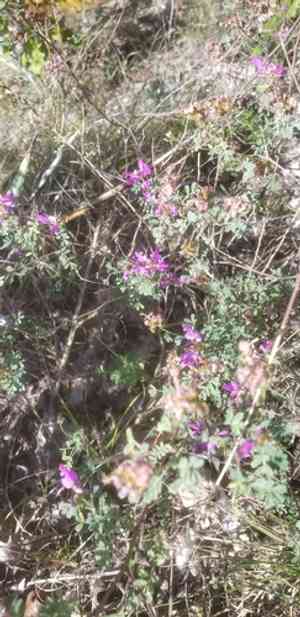
Dalea foliosa is a robust, arid-resistant species featuring vivid violet blossoms and delicate leaves. The most effective time for trimming is in early spring to foster fresh development and preserve its form. Remove any lifeless or compromised stalks, and reduce the plant's size by one-third to promote a denser habit and more blooms. Consistent trimming improves air movement, deters ailments, and sustains a tidy look.
What Are the Benefits of Pruning Black Prairie Clover?
What Are the Benefits of Pruning Black Prairie Clover?
Trimming black prairie clover encourages robust development, maintains its form, enhances blooming, improves overall look, and lessens vulnerability to pests and illnesses.
What Is the Best Time for Pruning Black Prairie Clover?
What Is the Best Time for Pruning Black Prairie Clover?
Trimming or cutting in early spring ensures black prairie clover has ample time to recover before its active growth period. This timing helps improve air circulation and light penetration, fostering healthier growth and reducing disease risk. Additionally, since black prairie clover primarily flowers on new growth, early spring pruning promotes more abundant and vigorous blooms. Pruning outside this window, especially in late summer or fall, might stress the plant as it prepares for dormancy and can negatively impact its health and flowering.
What Tools Do I Need to Prune Black Prairie Clover?
Hand Pruners
These are vital for making clean cuts on smaller branches and stems. They allow for precise trimming, essential for maintaining the plant's shape and promoting healthy growth.
Bypass Pruners
Especially useful for cutting live, green wood. They provide a clean cut that helps prevent disease and damage.
Lopping Shears
Perfect for cutting through thicker branches that hand pruners cannot manage. They offer the necessary leverage for clean cuts on medium-sized branches.
Pruning Saw
Required for cutting larger, woody branches. This tool ensures clean cuts with minimal effort, helping to prevent plant damage.
Gloves
Protects hands from thorns and sharp branches, ensuring safety during pruning.
Disinfectant
Crucial for cleaning tools between cuts to prevent disease spread. Use a disinfectant like isopropyl alcohol or a bleach solution.
How to Prune Black Prairie Clover
Inspection
Carefully examine black prairie clover to identify parts needing trimming, such as diseased leaves, withered leaves, dead branches, and diseased branches.
Tool Preparation
Clean and sterilize pruning tools to prevent disease spread. This includes using sharp, sanitized pruners or scissors.
Remove Diseased Leaves
Trim off all diseased leaves at their base where they connect to the stem, ensuring to cut into healthy tissue for complete disease removal.
Remove Withered Leaves
Cut back any withered leaves to improve air circulation and enhance the plant's appearance. Focus on trimming leaves that have lost their green color and are no longer viable.
Remove Dead and Diseased Branches
Identify and cut back any dead or diseased branches. Make these cuts at least a few inches below the diseased or dead area into healthy wood. Dispose of trimmed parts properly to prevent disease spread.
Common Pruning Mistakes with Black Prairie Clover
Incorrect Technique
Using improper cutting tools or cutting at the wrong angle can harm black prairie clover. Always use sharp, clean shears and make cuts at a 45-degree angle to minimize damage.
Pruning Too Much
Removing more than one-third of the plant at a time can stress black prairie clover, hindering its growth and flowering potential. Over-pruning can also reduce the plant's vigor and lead to poor health.
Ignoring Dead or Diseased Wood
Failing to remove dead or diseased branches can lead to further health problems for black prairie clover. Neglecting this step may cause the plant to become more susceptible to pests and diseases.
Common Pruning Tips for Black Prairie Clover
Sanitize Tools
Always sanitize pruning tools before use to prevent disease spread. This is especially crucial when dealing with multiple plants.
Focus on Shape and Airflow
When pruning black prairie clover, aim to shape the plant to allow for good airflow and light penetration. This helps in reducing disease occurrence and promotes even growth.
Moderate Deadheading
Remove spent flowers regularly to encourage new blooming cycles without over-stressing the plant. This should be done carefully to ensure healthy growth continuation.
Cut Above Healthy Buds
Make pruning cuts just above a healthy bud or branch to encourage new growth in the right direction. This fosters a fuller and more aesthetically pleasing plant.



