How to Transplant Garden dahlia?
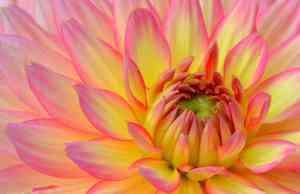
The ideal period for relocating garden dahlia is from mid-spring to late spring, once the ground has warmed and the danger of frost is over. Select a bright, adequately drained spot to encourage peak growth. A helpful suggestion: ensure ample distance between individual plants to foster robust development and a vibrant appearance.
What Preparations are Needed Before Transplanting Garden Dahlia?
What is the Ideal Time for Transplanting Garden Dahlia?
The optimal period to relocate garden dahlia is from mid to late spring, as this offers prime growing conditions. This timing promotes robust root development and vibrant blossoms. Enjoy your planting!
How Much Space Should You Leave Between Garden Dahlia Plants?
When moving garden dahlia, proper spacing is vital for healthy development. Ensure 2-3 feet (60-90 cm) between each plant, providing ample room for growth and guaranteeing sufficient sunlight, water, and nutrients.
What is the Best Soil Mix for Garden Dahlia Transplanting?
For garden dahlia, select a well-draining, rich, loamy soil. Incorporate organic material, such as compost or aged manure, to enhance soil structure. Apply a balanced, slow-release fertilizer as per package directions for best outcomes.
Where Should You Relocate Your Garden Dahlia?
When transplanting garden dahlia, seek a location that receives at least 6-8 hours of direct sunlight daily for optimal growth. If you are in a particularly hot climate, consider partial afternoon shade to shield the plant from intense summer heat.
What Equipments Should You Prepare Before Transplantation Garden Dahlia?
Gardening Gloves
To safeguard your hands while handling soil and plants.
Shovel or Spade
To excavate the planting hole and extract the garden dahlia from its original spot.
Trowel
To assist in loosening soil and moving small plants or seedlings.
Watering Can or Hose
To hydrate the plant before removal and adequately moisten the soil post-transplant.
Stakes and Ties
To offer support to the garden dahlia plant if necessary.
How Do You Remove Garden Dahlia from the Soil?
How Do You Remove Garden Dahlia from the Soil?
- From Ground:First, water the garden dahlia plant to moisten the soil. Then, dig a wide trench around the plant using a shovel or spade, ensuring the plant's root ball remains intact. Carefully work the spade under the root ball to lift the plant from its original location.- From Pot:Thoroughly water the garden dahlia in the pot to loosen the soil. Tilt the pot sideways and gently tap the sides until the plant slides out with the root ball. Avoid pulling the plant out by the stem.- From Seedling Tray:Water the garden dahlia seedlings and use a trowel or spoon to loosen the soil around the roots. Gently lift the seedling, keeping the root ball intact.
Step-by-Step Guide for Transplanting Garden Dahlia
Plant Preparation
Ensure the garden dahlia plant is adequately watered in its current spot before transplanting, as this will facilitate removal and lessen transplant shock.
Dig the Hole
Excavate a hole at least twice as wide and as deep as the garden dahlia plant's root ball, in the chosen location.
Prepare Soil
If needed, enrich the soil at the base of the hole with organic matter like compost or aged manure to boost soil fertility.
Place the Plant
Gently position the garden dahlia plant's root ball into the hole, ensuring it is level with the surrounding ground. The stem should be upright and not leaning.
Backfill the Hole
Refill the hole with the excavated soil, pressing it firmly around the garden dahlia's root ball to eliminate air pockets.
Water
Thoroughly water the transplanted garden dahlia to settle the soil and encourage root development.
Support
Utilize stakes and ties to secure the garden dahlia plant if required, especially if it is tall or exposed to strong winds.
How Do You Care For Garden Dahlia After Transplanting?
Water Management
Ensure the soil around the garden dahlia stays consistently moist, but not waterlogged, for the initial weeks post-transplant to aid in establishing strong roots. Gradually reduce watering frequency as the plant settles.
Monitor Growth
Observe for indications of new growth, such as fresh leaves or increased stem length. This signifies that the garden dahlia has successfully adapted to its new environment.
Pinching and Pruning
Remove old or diseased foliage and trim any broken stems, as this will promote bushier and healthier growth in your garden dahlia plant.
Pest and Disease Control
Regularly inspect the garden dahlia for signs of pests or disease and treat as necessary to maintain the plant's health.
Fertilizing
Use a balanced fertilizer to supply essential nutrients to the garden dahlia for optimal growth, adhering to the manufacturer's instructions for application rates and frequency.
Troubleshooting Common Issues with Garden Dahlia Transplantation.
What's the ideal time to transplant garden dahlia?
The perfect time to transplant garden dahlia is during mid-spring to late spring when temperatures are warmer and stable.
What spacing should I maintain when transplanting garden dahlia?
When transplanting garden dahlia, maintain a spacing of about 2-3 feet (60-90 cm) to ensure proper growth and airflow.
How deep should the planting hole be for garden dahlia?
Dig a hole deep enough to accommodate garden dahlia's root ball, usually 10-12 inches (25-30 cm) for well-developed roots.
What type of soil is best for transplanting garden dahlia?
Garden dahlia thrives in well-draining, fertile soil with a neutral to slightly acidic pH (6.0-7.0). Amend the soil accordingly.
How much water is required when transplanting garden dahlia?
Thoroughly water garden dahlia after transplanting and maintain consistent moisture levels to prevent drought stress on the plant.
Do I need to support the plant after transplanting?
Yes, consider adding support, like stakes or cages, especially for tall garden dahlia varieties to prevent them from falling over.
Do I need to prune garden dahlia after transplanting?
Trimming any damaged roots before transplanting can promote healthy growth. Pruning stems is optional for compactness or aesthetics.
Should I apply fertilizer when transplanting garden dahlia?
Apply a balanced, slow-release fertilizer specific to garden dahlia at planting time to encourage strong growth and abundant blooms.
What should I do if garden dahlia starts wilting after transplanting?
Ensure adequate watering and consider adding a layer of mulch around the plant to conserve moisture and reduce temperature fluctuations.
How do I choose healthy garden dahlia plants for transplanting?
Select garden dahlia plants with strong, healthy root systems, steady growth, and no signs of pests or diseases for successful transplanting.



