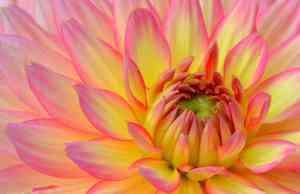
Garden dahlia (Dahlia pinnata)
Also known as: Dahlia
The dahlia is a popular springtime flower known for its vibrant array of colors. Despite being unscented, dahlias draw in pollinators, such as bees, with their striking hues. Historically cultivated by the ancient Aztecs, the dahlia is now recognized as Mexico's national flower. It shares a genetic lineage with other garden favorites like sunflowers and zinnias.
In This Article
Attributes of Garden dahlia
Lifespan
Perennial
Plant Type
Herb
Plant Height
1 m to 2 m
Spread
30 cm
Leaf Color
Green
Flower Size
5 cm to 30 cm
Flower Color
Red White Yellow Pink Purple Orange
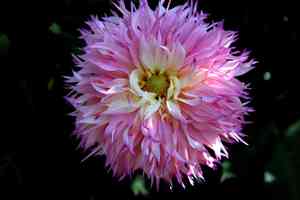
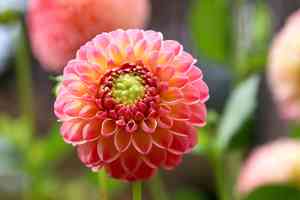
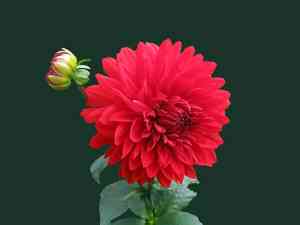
Images of Garden dahlia
Quickly Identify Garden dahlia
1
Dahlia pinnata can be identified by its large, showy flowers that come in a variety of colors, including red, pink, yellow, and white. The leaves are pinnate, with serrated edges. The stems are hollow and may require staking to support the large flowers.
Scientific Classification of Garden dahlia
Phylum
Vascular plants
Class
Dicotyledons
Order
Asters bellflowers fanflowers and allies
Family
Daisy
Genus
Dahlia
Species
Garden dahlia
Planting and Growing of Garden dahlia
Care Difficulty
Easy
Watering Schedule
Every 8 days
Sunlight Requirements
Full sun
Sunshine Duration
6-10 hours
Ideal Temperature
65-75℉
Soil Type
Potting Mix, Peat Mix
Soil pH
6.5-7.5
Fertilizer Type
Balanced
Pruning Season
Spring, Summer
Pruning Area
Branches, Leaves
Pruning Frequency
2 times a year
Repotting Season
Spring
Pot Type
Plastic, Ceramic
 How to Water Garden dahlia?
Dahlia pinnata requires around 500 ml of water per session. Ensure that the soil is thoroughly soaked but not waterlogged. This plant enjoys a good soak while still maintaining excellent drainage to prevent root rot and ensure it remains healthy and vibrant.
More About Watering Techniques→
What are the symptoms of an underwatered Garden dahlia?
›
What should I do if my Garden dahlia is not getting enough water?
›
What are the symptoms of an overwatered Garden dahlia?
›
How to save an overwatered Garden dahlia?
›
 What Are the Sunlight Requirements for Garden dahlia?
Ideal light conditions for Dahlia pinnata are partial to full sun exposure, enhancing flower vibrancy and preventing leggy growth.
More About Sunlight Requirements Techniques→
What kind of light does Dahlia pinnata prefer?
›
How to ensure Dahlia pinnata gets ideal lighting?
›
What are the benefits of ideal lighting for Dahlia pinnata?
›
 What Is the Ideal Temperature Range for Garden dahlia?
The ideal temperature range for Dahlia pinnata is between 65°F and 75°F. This relatively moderate range provides the best conditions for photosynthesis and growth. At these temperatures, the plant efficiently absorbs nutrients and maintains healthy metabolic activities. It's imperative to maintain consistent temperatures within this range to maximize blooming and vitality.
 What Soil is Best for Garden dahlia?
Dahlia pinnata thrives in nutrient-rich soil, providing essential nutrients for robust growth and vibrant blooms. This ensures that the plant develops strong roots and a healthy, lush appearance. To prevent root rot, Dahlia pinnata needs well-drained soil. Proper drainage allows excess water to escape, preventing waterlogging and ensuring healthy plant development. While good drainage is essential, the soil should also retain enough moisture to keep the plant hydrated. A balance aids in sustained growth and continuous flowering.
More About Soil→
 How to Fertilize Garden dahlia?
Dahlias require a balanced fertilization routine to promote lush blooms and healthy growth. During the growing season, apply liquid fertilizer at a rate of one tablespoon per gallon of water. For granular slow-release fertilizer, a handful sprinkled around each plant is adequate.
More About Fertilizing Techniques→
 How to Prune Garden dahlia?
Remove spent flowers by cutting them back to the nearest set of leaves. This process, known as deadheading, redirects the plant's energy from seed production to new growth and enhances overall blooming. In early spring, focus on removing old and damaged stems to stimulate growth. During summer, prune for shape and to control size, while autumn pruning should involve cutting back the plant significantly to prepare it for winter dormancy. Early in the growing season, pinch the tops of the stems to encourage the plant to branch out more. This results in a bushier, fuller plant with more shoots for future flowers.
More About Pruning Techniques→
 How to Propagate Garden dahlia plant?
1
Collect seeds from mature dahlia flowers in the late summer or autumn. Allow the flower heads to dry on the plant before harvesting to ensure seed maturity.
2
Cut healthy, non-flowering shoots of about 3-4 inches length. Ensure cuttings have at least one node and remove leaves from the lower half.
3
Divide tubers in early spring by cutting them into sections, ensuring each section has an eye. This is crucial as the eyes are the growth points for new plants.
 How to Repot Garden dahlia plant?
1
Repot your Dahlia pinnata when you notice roots growing out of the drainage holes or the plant becomes root-bound. Another sign is the slowing growth rate, indicating it needs more space. Spring is ideal due to the plant's natural growth surge. Watch for signs like these to ensure your Dahlia thrives post-repotting.
2
Select a pot that is one size larger than the current one, ensuring it has sufficient drainage holes to prevent waterlogging. A pot that is too large can cause the soil to retain too much moisture, leading to root rot. The right size promotes healthy root development by offering optimal space and airflow around the roots.
3
Use a soil mix rich in organic matter with excellent drainage properties, ideal for Dahlia pinnata. Such soil prevents roots from sitting in water, reducing the risk of rot while providing essential nutrients for vigorous growth. Ensure the mix remains light and airy, similar to a well-composted garden soil blend.
Toxicity
Ingestion or significant physical contact with its sap
WARNING
The judgment on toxicity and danger is for reference only. We DO NOT GUARANTEE any accuracy of such judgment. Therefore, you SHALL NOT rely on such judgment. It is IMPORTANT TO SEEK PROFESSIONAL ADVICE in advance when necessary.
Learn More About Garden dahlia Diseases
Anthracnose
Bacterial Leaf Spot
Bacterial Soft Rot
Bacterial Wilt
Black Spot
Chemical Injury
Crown Gall
Cyst Nematode
Damping-off
Downy Mildew
Drought Stress
Fusarium Wilt
Gray Mold
Leaf Spot
Mosaic
Nutrient Deficiency
Nutrient Toxicity
Powdery Mildew
Root Rot
Root-knot Nematode
Rusts
Sooty Mold
Spider Mites
Temperature Stress
Thrips Damage
White Mold



