How to Prune Garden dahlia?
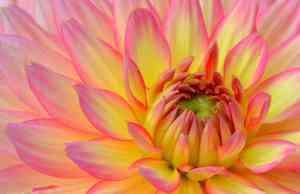
A perennial plant with tubers, recognized for its vivid, striking blossoms, the garden dahlia necessitates consistent trimming to preserve its compact shape and stimulate abundant flowering. Remove faded blooms to encourage ongoing blossoming. Following the initial frost, trim back the foliage to several inches above the soil surface. Trim the tubers when transplanting them in the early spring. The most effective pruning takes place from early spring through late autumn, aligning with periods of active development and flowering. Advantages of pruning encompass enhanced air movement, protection against diseases, and prolific blooming.
What Are the Benefits of Pruning Garden Dahlia?
What Are the Benefits of Pruning Garden Dahlia?
Trimming garden dahlia promotes larger, more vibrant blossoms and a sturdy framework. It directs the plant's energy towards producing flowers instead of excessive foliage, maintaining an attractive form.
What Is the Best Time for Pruning Garden Dahlia?
What Is the Best Time for Pruning Garden Dahlia?
Early spring is ideal for pruning garden dahlia, just before the growing season begins. Pruning at this time stimulates vigorous new growth, supporting abundant flowering throughout the season. Late fall is another suitable period for pruning, as the plant enters dormancy. Trimming garden dahlia in late fall helps prevent winter damage and prepares for healthy growth when spring temperatures rise. During both seasons, the risk of pest infestation and disease is lower, which helps maintain garden dahlia's health and vitality.
What Tools Do I Need to Prune Garden Dahlia?
Hand Pruners
Perfect for cutting stems up to 3/4 inches thick, hand pruners offer the precision and control needed to carefully trim garden dahlia's stems without causing unnecessary harm to the plant.
Pruning Shears
Also known as secateurs, these are used for removing spent flowers and shaping garden dahlia during the growing season to encourage denser growth and more blooms.
Long-Handled Loppers
If garden dahlia is a larger variety and some stems are out of reach or too thick for hand pruners, loppers can be used to cut through branches up to 1.5-2 inches in diameter.
Gardening Gloves
Protecting hands from thorns and potential skin irritants in the sap, these are crucial for handling garden dahlia during the pruning process.
Garden Waste Bags
To collect and dispose of or compost the pruned stems and spent blooms from garden dahlia, ensuring a tidy workspace and reducing disease spread.
Clean Cloths and Disinfectant
To wipe down tools between cuts when pruning garden dahlia, which helps prevent the spread of diseases among garden dahlia's stems or to other plants.
How to Prune Garden Dahlia
Step1: Assess Plant Health for Pruning
Evaluate garden dahlia before pruning to identify dead flowers, damaged stems, and spent blooming stems. Ensure you can differentiate between healthy and unhealthy plant parts.
Step2: Disinfect Pruning Tools
Clean pruning tools with a disinfectant like rubbing alcohol to prevent disease transmission. Use sharp secateurs or pruners to make clean cuts without harming the plant.
Step3: Deadhead Spent Flowers
Begin by deadheading, removing dead flowers. Make the cut just above the set of leaves below the spent flower. This encourages garden dahlia to produce more blooms.
Step4: Remove Damaged Stems
Inspect for damaged stems that may be broken, withered, or discolored. Cut these back to a healthy section, ideally just above a leaf node or lateral bud. The cut should be made at a 45-degree angle to prevent water accumulation on the cut surface.
Step5: Prune Finished Blooming Stems
Prune the spent blooming stems once flowering has ceased. Identify the stem that has finished blooming and trace it back to a healthy set of leaves or a growth bud. Cut just above this to stimulate new growth.
Step6: Thin for Air Circulation and Shape
If thinning is needed for better air circulation and shaping, selectively remove some inner stems by cutting at the plant's base. This helps reduce disease risk and promotes robust growth.
Step7: Clean Up Pruning Debris
After pruning, remove all cuttings and debris from around garden dahlia to deter pests and disease.
Step8: Water Plant Post-Pruning
Water garden dahlia sufficiently after pruning to aid recovery. Avoid overhead watering that can wet the foliage, thereby increasing the risk of fungal diseases.
Step9: Fertilize After Pruning
Apply a balanced fertilizer following pruning to provide garden dahlia with the necessary nutrients for regrowth and future blooming.
Post-Pruning Care for Garden Dahlia
Post-Pruning Care for Garden Dahlia
Immediately after pruning garden dahlia, ensure clean cuts to facilitate healing. Provide a balanced environment, with indirect, bright sunlight, stable temperatures, and moderate humidity. Apply a balanced, slow-release fertilizer to encourage new growth. Regularly check for wilting, discoloration, and signs of infection. If stress symptoms appear, adjust care parameters and consider a mild fungicide for infections. Maintain consistent soil moisture without waterlogging.
Common Pruning Mistakes with Garden Dahlia
Avoid excessive pruning; limit to one-third of plant
Pruning too aggressively can shock garden dahlia, leading to poor growth or reduced flowering. Avoid removing more than one-third of the plant at a time.
Use sharp, clean tools to prevent stem damage and disease
Using dull or dirty pruning tools can cause damage to garden dahlia's stems. Always use sharp, clean shears to make clean cuts and prevent disease transmission.
Prune with a clear goal for health, bloom, or shape
Pruning without a clear purpose can lead to undesirable shaping or over-pruning. Always prune with the goal of improving plant health, encouraging flower production, or shaping the plant for aesthetic purposes.
Don't prune too close to main stems or flower buds
Snipping too close to the main stems or flower buds can hinder the growth and blooming of garden dahlia. Leave enough stem when cutting back to promote healthy new shoots.
Regularly deadhead spent flowers for continuous blooming
Ignoring deadheading, or the removal of spent flowers, can result in fewer blooms and a messy appearance. Regularly remove faded flowers to encourage continuous blooming.
Common Pruning Tips for Garden Dahlia
Create an open center in plants to boost air flow and health
When pruning garden dahlia, aim to create an open center to improve air circulation, which reduces the risk of fungal infections and promotes healthy growth.
Deadhead to next leaves or budding branch for repeat blooms
Deadhead garden dahlia by cutting spent flowers back to the next set of leaves or a new budding branch. This encourages repeat blooming throughout the growing season.
Cut back leggy plants for new growth and compact shape
In the case of leggy or overgrown garden dahlia, cut back the plant to about 15 inches above the ground to stimulate new growth and a more compact form.
Remove weak or crossing stems for stronger growth
Remove any thin, weak, or crossing stems to allow the stronger stalks to produce better blooms and improve the overall structure of garden dahlia.
Selective pruning for shape without hindering growth
Always perform selective pruning, targeting only the necessary areas, to shape garden dahlia without stunting its growth or sacrificing too many flowers.



