How to Propagate Garden dahlia?
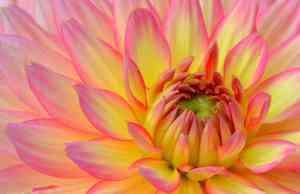
The favored method for propagating garden dahlias involves employing tubers, with an optimal planting period in the spring. This propagation technique can be considered moderately challenging. Observe for indications of robust, fresh development as signals of successful propagation. Confirm that tubers are adequately drained to avert decay.
Optimal Period for Garden Dahlia Propagation
Propagation Method
Utilize The Tubers
Propagation Period
Spring
Tools Required for Garden Dahlia Propagation
Sharp Knife or Pruning Shears
These implements are crucial for precisely cutting and separating garden dahlia's tubers without causing undue harm. A keen edge ensures a clean incision, minimizing disease risk and promoting faster healing of cut surfaces.
Garden Spade or Fork
These are employed for excavating garden dahlia's tubers from the ground during their dormant phase. They should be robust and sharp to facilitate the lifting process and prevent tuber damage.
Tray or Container
A clean, shallow tray or receptacle can hold the separated tubers before replanting. This item assists in organizing the tubers and preparing them with a dusting of fungicide if necessary.
Gloves
Wearing gloves while handling garden dahlia's tubers can safeguard skin from irritation and prevent pathogen transmission via hands.
Fungicide Powder
This is applied to treat the cut surfaces of the tubers to ward off fungal infections. The powder should be used immediately after division to ensure tuber viability.
Labels and Marker
Properly identifying the divided tubers helps in tracking different varieties. The use of waterproof labels and markers ensures legibility of identification throughout the storage duration.
Procedure for Propagating Garden Dahlia
Propagation Method
Utilize The Tubers
Difficulty Level
Easy
Post-Propagation Care for Your Garden Dahlia
Post-Propagation Care for Your Garden Dahlia
Following propagation, garden dahlia needs full sun and consistent watering, ensuring the soil stays moist but drains well. Support plants with stakes as they grow to prevent stalk breakage. Regularly remove spent flowers to encourage continuous blooming. At the season's end, cut back foliage and dig up tubers for storage in a cool, frost-free location until the next planting period.
Common Errors to Avoid When Propagating Garden Dahlia
Excessive Watering
Overwatering can lead to root rot and fungal diseases, jeopardizing the health of garden dahlia cuttings and tubers.
Planting too deeply
Placing garden dahlia tubers too far down can hinder sprouting due to insufficient warmth and light, potentially causing tuber decay.
Neglecting tuber division
Failure to properly divide garden dahlia tubers may result in overcrowding, which reduces air circulation and sunlight exposure, leading to poor growth or illness.
Ignoring stem cuttings
Garden dahlia cuttings left unattended may wilt or dry out, decreasing the likelihood of successful rooting.
Using unsanitized tools
Propagating with unclean tools can introduce pathogens to garden dahlia, increasing the risk of infection and disease.
Advice for Propagating Garden Dahlia
Appropriate moisture
Maintaining slightly moist but well-drained soil ensures healthy root development without waterlogging garden dahlia.
Correct planting depth
Plant garden dahlia tubers at the suitable depth, typically just below the soil surface, to encourage timely sprouting.
Division technique
Carefully divide garden dahlia tubers, ensuring each section possesses at least one 'eye' for new growth.
Stem cutting care
Place garden dahlia stem cuttings in an appropriate growing medium and environment, providing necessary humidity and temperature for rooting.
Sterilize tools
Always use clean and sanitized tools when propagating garden dahlia to prevent the spread of diseases.



