How to Transplant Key flower?
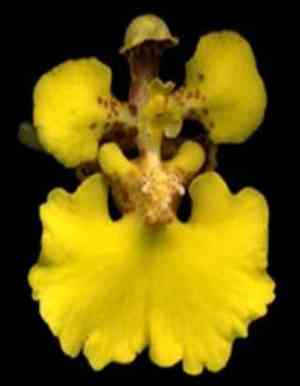
Key flower flourishes when relocated during the moderate weather of late spring or early fall. Select a sheltered, damp spot. Guarantee sufficient organic matter in the earth for prime rooting.
What Preparations are Needed Before Transplanting Key Flower?
What is the Ideal Time for Transplanting Key Flower?
Key flower, a perennial, flourishes when moved in late spring or early summer. This timing allows root establishment prior to intense summer heat. Transplanting then boosts growth, leading to a stronger, more resilient plant. Additionally, milder temperatures and increased moisture levels enhance root development, ensuring a successful transition.
How Much Space Should You Leave Between Key Flower Plants?
When relocating key flower, aim for a spacing of 12-18 inches (30-45 cm) between plants. This provides adequate room for growth and good air circulation, minimizing disease risk.
What is the Best Soil Mix for Key Flower Transplanting?
Prepare well-draining soil for key flower, ideally rich in organic matter. Incorporate a base fertilizer, such as compost or a balanced slow-release type, to supply essential nutrients for thriving.
Where Should You Relocate Your Key Flower?
Select a site for key flower that receives partial to full sunlight. Morning sun with some afternoon shade is optimal for maintaining plant health and promoting blooms.
What Equipments Should You Prepare Before Transplantation Key Flower?
Gardening Gloves
To safeguard your hands while handling soil and plants.
Spade or Shovel
For digging around and lifting the plant from its initial spot.
Watering Can
To hydrate the plant before and after its relocation.
Trowel
Useful for creating planting holes in the ground.
Gardening Fork
Aids in loosening the soil when extracting the plant from the ground.
Wheelbarrow
To move the plant to its new position.
Compost
To enrich the soil within the new planting hole.
How Do You Remove Key Flower from the Soil?
How Do You Remove Key Flower from the Soil?
From Ground: First, water the key flower plant to moisten the soil. Then, dig a wide trench around the plant using a shovel or spade, ensuring the plant's root ball remains intact. Carefully work the spade under the root ball to lift the plant from its original location.From Pot: Water the key flower plant thoroughly, then tilt the pot and gently tap the sides to loosen the soil. Carefully grasp the base of the plant and slide it out of the pot without disturbing the root ball.From Seedling Tray: Water the key flower seedlings before removal. Use a trowel to gently lift the seedlings out, being cautious to keep soil around the roots intact. Handle the seedlings by their leaves, not the stems, to avoid damage.
Step-by-Step Guide for Transplanting Key Flower
Prepare the New Site
Ensure the new planting location is properly prepared with suitable soil and adequate spacing for the key flower to flourish.
Digging the Hole
Excavate a hole at the new site that is twice as wide and the same depth as the key flowerâs root ball.
Add Compost
Incorporate compost into the hole to supply nutrients and enhance soil structure.
Placing the Plant
Position the key flower in the center of the hole, making sure the top of the root ball is level with the ground surface.
Filling the Hole
Backfill the hole with soil, gently pressing around the root ball to eliminate air pockets.
Watering
Thoroughly water the key flower to help settle the soil and provide moisture to its roots.
How Do You Care For Key Flower After Transplanting?
Watering
Keep the soil around the key flower consistently moist, but not waterlogged, for the initial weeks post-transplant to aid in root establishment.
Mulching
Apply a layer of mulch around the base of the key flower to retain moisture and regulate soil temperature.
Monitoring
Inspect the key flower daily for indications of stress or dryness, adjusting care as necessary during the initial establishment phase.
Protection
Provide support for the key flower if needed and shield it from strong winds or pests.
Troubleshooting Common Issues with Key Flower Transplantation.
When is the best time to transplant key flower?
Key flower should ideally be transplanted in late spring, early summer, mid-summer, or late fall.
How far apart should I space key flower when transplanting?
Space key flower transplants 12-18 inches (30-45 cm) apart for optimal growth and airflow.
What type of soil is best for key flower transplants?
Key flower thrives in well-draining, rich, and slightly acidic soil for optimal development.
How much sunlight does key flower need after transplanting?
Ensure key flower receives partial to full sunlight, about 6-8 hours daily.
What should I do if key flower wilts post-transplant?
Wilting can occur; keep the soil consistently moist but not waterlogged to aid recovery.
How deep should I plant key flower during transplantation?
Plant key flower at the same depth it was growing previously to avoid stress.
Can I fertilize key flower immediately after transplanting?
Wait about 2-3 weeks before applying a balanced fertilizer to key flower to prevent root burn.
How can I prevent transplant shock in key flower?
Water key flower thoroughly before and after transplanting and shade it temporarily if it's very sunny.
Is it necessary to prune key flower before transplanting?
Trimming dead or damaged leaves before transplanting can help key flower focus on root establishment.
Should I mulch around key flower after transplanting it?
Yes, applying a 2-3 inch (5-7.5 cm) mulch layer can help retain moisture and regulate temperature.



