How to Propagate Key flower?
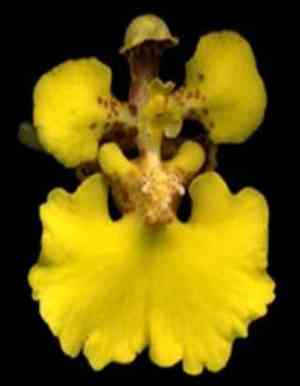
Key flower is a remarkable orchid recognized for its attractive floral stalks and flourishes optimally in damp, adequately drained substrates under dappled light. For propagation, its tubers can be meticulously separated, making sure every segment possesses healthy roots and developing shoots. Position the divided sections at an identical depth to the original plant, irrigate completely, and sustain moisture levels to foster successful rooting. This technique, ideal for humid, forested garden environments, guarantees vigorous development.
Optimal Time for Key Flower Propagation
Propagation Method
Division
Propagation Period
Spring,Autumn
Tools for Key Flower Propagation
Sharp Spade or Garden Knife
Crucial for separating key flower rhizomes. A sharp implement ensures clean cuts, minimizing plant damage and infection risk. Clean cuts facilitate quicker healing and successful establishment of divided plants.
Sterilization Solution
Used to sanitize tools before and after dividing key flower to prevent pathogen spread. This step is vital for maintaining plant health and avoiding infection during propagation.
Potting Mix (Orchid-specific)
A well-draining mix formulated for orchids guarantees optimal growing conditions for newly divided plants. This potting mix ensures proper aeration and moisture balance, essential for key flower health.
Rooting Hormone
Applied to cut ends of divided rhizomes to encourage faster root development. Rooting hormones can significantly boost key flower propagation success by promoting vigorous root growth.
Watering Can with Fine Rose
Ensures gentle watering of delicate, newly divided plants. A fine rose helps prevent disturbing newly planted sections while providing adequate moisture, crucial during initial establishment.
Labels and Marker
Used to identify newly divided key flower sections to track different clones and planting dates. Accurate labeling aids in managing and monitoring the progress and health of each divided plant.
Plastic Pots or Trays
These containers offer a controlled environment for newly divided key flower plants, facilitating better care and monitoring during initial propagation stages. They also allow easier handling and eventual transplanting.
How to Propagate Key Flower?
Propagation Type
Easy
How to Care for Your Newly Propagated Key Flower?
How to Care for Your Newly Propagated Key Flower?
After propagation, ensure key flower receives moderate watering, keeping soil moist but not waterlogged. Mulch around plants to retain moisture and suppress weeds. Fertilize with a balanced, water-soluble fertilizer regularly during the growing season. Monitor plants for pests or diseases and address them promptly. As key flower establishes, gradually acclimate it to its permanent growing conditions.
Common Mistakes to Avoid When Propagating Key Flower
Improper Soil Mix
Using overly dense or poorly draining soil can lead to root rot and other fungal issues.
Overwatering
Excessive irrigation can cause tubers to decay, which is detrimental to plant health and propagation success.
Insufficient Light
Providing inadequate light can result in weak and leggy growth, reducing the viability of offsets or seedlings.
Neglecting Pests
Failing to monitor and control pests like slugs and aphids can lead to damaged plants and hinder successful propagation.
Tips For Propagating Key Flower
Use Well-Draining Medium
Utilize a mix that ensures good drainage, such as a combination of fine bark, perlite, and some organic matter, to prevent waterlogging.
Monitor Watering
Water the plants when the topsoil feels dry to the touch, avoiding both drought and overly wet conditions.
Provide Adequate Light
Ensure that key flower receives ample indirect light to promote healthy growth; consider placing them near windows with filtered sunlight.
Control Pests Naturally
Implement natural pest control methods, such as introducing beneficial insects or using organic sprays, to keep the plants healthy and free from pests.



