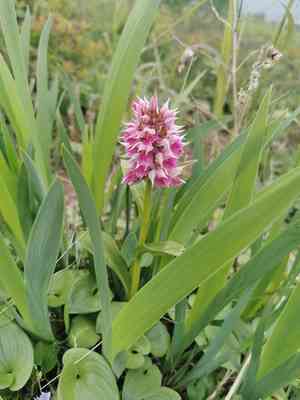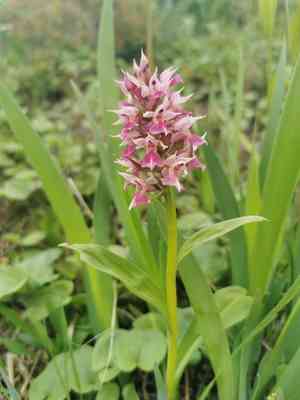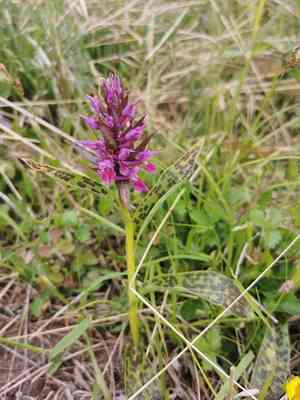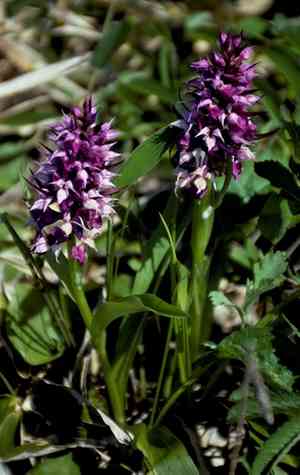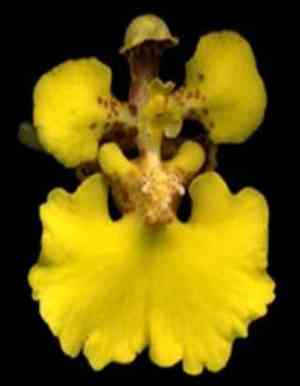
Key flower(Dactylorhiza aristata)

Key flower (Dactylorhiza aristata)

Also known as: Northern Marsh Orchid

The Key flower, commonly known as the Early Marsh Orchid (Dactylorhiza incarnata), is a notable wild orchid featuring a sturdy, leafy stem adorned with a cluster of pink to purple flowers, often marked with darker spots. Its broad, lance-shaped leaves extend along the stem, enhancing its adaptability to wet environments.

This perennial orchid flourishes in moist, marshy areas such as wet meadows and fens. It favors calcareous soils and thrives in regions with abundant groundwater. The Key flower is typically found in temperate climates across Europe and parts of Asia, preferring full to partial sunlight. Its vibrant blooms are a prominent sign of the summer season.

Attributes of Key flower

Lifespan
Perennial
Plant Type
Herb
Plant Height
30-40 cm
Spread
N/A
Leaf Color
Green, often with purple spots
Flower Size
1-2 cm
Flower Color
Pink to purple

ForwardPlant - Identify plants with a snap

Identify and diagnose plants, get toxicity alerts, and explore safety guides for all types of fungi.

Try for Free

Images of Key flower

Key flower(Dactylorhiza aristata)

Quickly Identify Key flower

1
Look for its dense spikes of bright pink to purple flowers with distinctive dark markings and a lip with three lobes. The leaves are lanceolate and often spotted.

Scientific Classification of Key flower

Phylum
Vascular plants
Class
Monocotyledons
Order
Asparagales
Family
Orchid
Genus
Marsh orchids
Species
Key flower

Planting and Growing of Key flower

Care Difficulty
Hard
Watering Schedule
Every 3 days
Sunlight Requirements
Partial sun
Sunshine Duration
4-8 hours
Ideal Temperature
60-70℉
Soil Type
Potting Mix, Peat Mix
Soil pH
6.5-7.5
Fertilizer Type
Balanced
Pruning Season
Spring, Summer
Pruning Area
Branches, Leaves
Pruning Frequency
2 times a year
Repotting Season
Spring
Pot Type
Plastic, Ceramic

water icon How to Water Key flower?

For Dactylorhiza aristata, use approximately 200 milliliters of water per session. The goal is to keep the soil evenly moist, but not soggy. Water should soak through but not pool at the bottom of the pot.
What are the symptoms of an underwatered Key flower?
What should I do if my Key flower is not getting enough water?
What are the symptoms of an overwatered Key flower?
How to save an overwatered Key flower?

sunlight icon What Are the Sunlight Requirements for Key flower?

Sunlight Requirements: Partial sun
Duration of light: 4 to 6 hours
Partial sun with some morning exposure is ideal, providing the right balance for growth, photosynthesis, and flower development without risk of sun damage.
What is the ideal location for Dactylorhiza aristata?
How can I ensure Dactylorhiza aristata receives ideal light conditions?
What benefits does ideal lighting bring to Dactylorhiza aristata?

temperature icon What Is the Ideal Temperature Range for Key flower?

Ideal Temperature: 60 ~ 70℉
The optimal temperature range for Dactylorhiza aristata typically lies between 60°F and 70°F. This range offers a conducive environment for growth, facilitating consistent photosynthesis and preventing thermal stress. Adhering to these temperatures ensures vigorous growth and flowering for this orchid variety.

soil icon What Soil is Best for Key flower?

Soil type: Loam,Sandy loam
Soil PH: 6.5 ~ 7.5
Dactylorhiza aristata thrives in soil that retains moisture well, providing consistent hydration crucial for its growth. This quality in the soil protects the plant during dry spells and ensures robust root development. A nutrient-rich soil improves the resilience and flowering capability of Dactylorhiza aristata. Nutrients like nitrogen, phosphorus, and potassium are essential for healthy foliage and vibrant blooms, boosting its overall vitality. Excellent drainage prevents waterlogged conditions that could lead to root rot. Ensuring the soil has adequate drainage supports the aeration of roots and facilitates better nutrient uptake, optimizing the plant's health.

fertilize icon How to Fertilize Key flower?

Fertilizer type: Balanced
Dactylorhiza aristata thrives best when provided with moderate nutrient levels. A suitable amount for a liquid fertilizer is a diluted solution at half the usual recommended strength. Use around 100 ml of this solution per plant per session to avoid over-fertilizing while supporting healthy growth.

prune icon How to Prune Key flower?

Pruning Time: Spring, Autumn
Before you begin pruning, inspect the plant carefully to identify which parts are dead or diseased. Look for discoloration or brittle stems as indicators. Removing these will prevent disease spread and allow the plant to reallocate resources to healthier sections. Always start with sterilized pruning shears or scissors. Dip your tools in a solution of one-part bleach to nine parts water to ensure no diseases are transferred to the plant during the pruning process, thus promoting a healthier growth environment. Focus on cutting back old growth to about one-third of its height. This stimulates new growth and ensures the plant does not become too spindly. Trim just above a healthy node to encourage regrowth from that point. More About Pruning Techniques

propagate icon How to Propagate Key flower plant?

Propagate Time: Spring, Late spring, Early spring
1
Collect seeds from mature plants. Sow them evenly onto the surface of a tray filled with sterilized mix, lightly pressing them into the soil. Keep the seeds moist but not waterlogged.
2
During early spring, carefully dig up a mature Dactylorhiza aristata plant and divide the tubers, ensuring each division has healthy roots and shoots.
3
Prepare a sterile environment and select a healthy plant tissue. Use a culture medium rich in nutrients to grow and propagate the tissue under controlled conditions.
More About Propagating Techniques

repot icon How to Repot Key flower plant?

Repotting frequency: Every 2-3 years
1
Repotting Dactylorhiza aristata is essential when you notice its roots outgrowing the pot or when the potting medium breaks down, which usually happens every 2-3 years. Signs that indicate it's time to repot include visibly crowded roots at the base and a decline in plant vigor. The best time to undertake this task is during early spring or autumn, aligning with the plant's natural growth cycle and minimizing stress.
2
Choosing the right pot for Dactylorhiza aristata requires ensuring proper drainage and room for growth. Opt for a pot slightly larger than the current one, with ample drainage holes to prevent waterlogging. Materials like clay or plastic are ideal, as they are water-resistant and can support the plant's tender roots. A correctly chosen pot fosters healthy root development and contributes to sustained growth.
3
Selecting the right soil is crucial for Dactylorhiza aristata's health and growth. Use a well-drained orchid mix that consists of bark, perlite, and sphagnum moss, providing the mixture with aeration and moisture retention. This combination simulates the plant’s natural habitat and ensures adequate root support and nutrient supply.

ForwardPlant - Identify plants with a snap

Find the best spots for them to optimize their health, simply using your phone.

Try for Free