How to Prune Key flower?
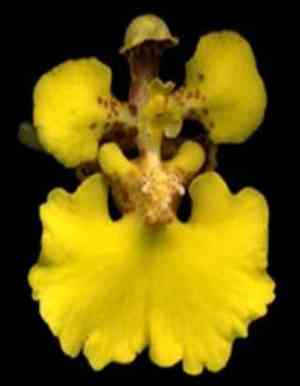
Key flower is a remarkable orchid recognized for its vibrant blooms and leaves. Trim in the initial part of spring or the latter part of winter to eliminate deceased or injured stalks, fostering more robust development and increased blossoming. Sever any flower stalks once they have wilted to redirect energy towards the plant. Utilize sanitized, keen implements to avert contagions. Consistent trimming aids in preserving plant vigor and improves its general appearance.
Advantages of Trimming Key Flower
What Are the Benefits of Pruning Key Flower?
Key flower thrives with pruning, which promotes vigorous development and maintains its form. Pruning stimulates new, strong growth, manages plant size, enhances flowering, and reduces vulnerability to pests and diseases.
Optimal Pruning Period for Key Flower
What Is the Best Time for Pruning Key Flower?
Pruning or trimming key flower during early spring and late winter is considered ideal due to its growth cycle and health considerations. This timing allows for the removal of dead or damaged parts before the plant enters its active growth phase in the spring. Pruning in these seasons helps stimulate new growth, encourages better flowering, and reduces the risk of disease. Additionally, it ensures that any pruning wounds have ample time to heal before the growing season, enhancing overall plant health.
Essential Tools for Pruning Key Flower
Bypass Pruners
Perfect for making precise cuts on softer stems. These pruners ensure clean cuts without crushing plant tissue, fostering healthy regrowth.
Precision Scissors
Useful for removing spent blooms and trimming small, delicate foliage. Their sharp, lightweight design minimizes plant damage.
Sanitizing Solution
Crucial for disinfecting tools between cuts to prevent disease transmission. Use a 70% isopropyl alcohol mixture or a household disinfectant.
How to Prune Key Flower
Assessment
First, thoroughly inspect key flower to identify all diseased and withered leaves. This initial evaluation helps pinpoint the exact areas needing attention.
Clean tools
Ensure that pruning tools, such as scissors or shears, are clean and sterilized. This prevents the spread of potential infections to healthy parts of key flower.
Remove diseased leaves
Carefully prune any diseased leaves at their base. Make a clean, angled cut to reduce the risk of further infection and promote proper drainage away from the cut site.
Trim withered leaves
Next, snip away withered leaves close to their point of origin. Ensure that you're removing only the dead material to encourage new growth and maintain the overall health of key flower.
Dispose debris
Collect and properly dispose of all removed leaves. This step is crucial to prevent any diseases from spreading back to key flower or other plants in the vicinity.
Common Pruning Errors with Key Flower
Over-pruning
Many gardeners tend to remove too much foliage, which can stress key flower and stunt its growth. This species requires minimal pruning.
Improper technique
Using dull or inappropriate tools can damage the stems and leaves, leading to infection or poor plant health.
Wrong timing
Pruning at the wrong time can lead to fewer blooms or interfere with the plant's natural growth cycle, even if pruning in the correct season.
General Pruning Advice for Key Flower
Use sharp tools
Always use sharp, clean pruning shears to make clean cuts, which helps prevent damage and infection.
Remove dead matter
Focus on removing only dead or damaged stems and leaves. This encourages new growth without over-stressing the plant.
Light trimming
Perform only light trimming to maintain shape and remove faded flowers. Key flower does not require heavy pruning.



