How to Transplant Buttongrass?
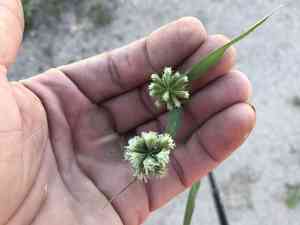
Buttongrass transplantation is most effective at the invigorating start of spring, guaranteeing its prosperity in a bright, adequately drained spot. Such surroundings replicate its native environment, fostering vigorous development and excellent well-being.
What Preparations are Needed Before Transplanting Buttongrass?
What is the Ideal Time for Transplanting Buttongrass?
For buttongrass, the optimal period for relocation is early to mid-spring, as the ground begins to warm. This timing promotes excellent root development and growth, leading to a stronger plant. Moving it then maximizes its growing season, allowing buttongrass to fully mature before harsh weather arrives.
How Much Space Should You Leave Between Buttongrass Plants?
When relocating buttongrass, aim to position your plants approximately 12-18 inches (30-45 cm) apart. This provides ample room for each plant to expand without crowding, fostering improved air circulation and more vigorous growth.
What is the Best Soil Mix for Buttongrass Transplanting?
Prepare soil that drains effectively for buttongrass. A sandy or loamy soil type is most suitable. Incorporate a foundational fertilizer rich in nitrogen and phosphorus to give your plants a strong start. Compost serves as an excellent natural alternative.
Where Should You Relocate Your Buttongrass?
Select a sunny spot for transplanting buttongrass. This plant thrives in full sun, so choose an area that receives at least 6-8 hours of direct sunlight daily for peak development.
What Equipments Should You Prepare Before Transplantation Buttongrass?
Gardening Gloves
To safeguard your hands while handling soil and plants.
Shovel or Spade
For excavating buttongrass from its initial spot and creating holes at the new site.
Hand Trowel
For precise soil work near the root system.
Watering Can or Hose
To hydrate the buttongrass before, during, and after the relocation process.
Pruning Shears
For trimming any damaged roots or foliage.
Bucket
For moving smaller plants or young sprouts.
Mulch
To aid in retaining soil moisture and regulating temperature post-transplant.
How Do You Remove Buttongrass from the Soil?
How Do You Remove Buttongrass from the Soil?
From Ground: Moisten the buttongrass plant to soften the soil. Then, dig a wide trench around the plant using a shovel or spade, ensuring the plantâs root ball remains intact. Carefully work the spade beneath the root ball to lift the plant from its original location.From Pot: Water the buttongrass plant thoroughly. Gently tap the pot's sides to loosen the soil and roots. Carefully slide the plant out, keeping the root ball whole.From Seedling Tray: Water the seedlings well before removal. Use a hand trowel to gently lift each seedling by its base, ensuring roots stay intact. If roots are tangled, carefully separate them with your fingers.
Step-by-Step Guide for Transplanting Buttongrass
Preparation
Ensure all necessary tools and supplies are ready before beginning the transplanting process. Water the buttongrass plant thoroughly in its current location.
Site Selection
Choose a location with suitable conditions for your buttongrass plant to flourish.
Digging Hole
Excavate a hole in the new spot that is twice as wide and the same depth as the buttongrass's root ball.
Plant Placement
Carefully position the buttongrass plant into the hole, ensuring it sits at the same depth as it was in its previous location.
Filling Soil
Backfill the hole with soil, gently pressing it down around the root ball to eliminate any air pockets. Confirm the plant is stable and upright.
Watering
Water the buttongrass thoroughly once it is in the new location to help settle the soil around the roots.
Mulching
Apply a layer of mulch around the base of the plant to help retain moisture and protect the roots.
How Do You Care For Buttongrass After Transplanting?
Watering
Keep the soil around the buttongrass consistently damp, but not waterlogged, for the initial weeks post-transplant to encourage strong root development.
Weeding
Regularly inspect for and remove any weeds near the buttongrass plant to reduce competition for nutrients and water.
Monitoring
Observe the buttongrass plant for any indications of transplant shock, such as wilting or yellowing leaves, and address issues promptly by adjusting care as needed.
Fertilizing
After a few weeks, you may gradually introduce a suitable fertilizer to support the growth of the buttongrass plant.
Troubleshooting Common Issues with Buttongrass Transplantation.
When is the best time to transplant buttongrass?
The ideal time to relocate buttongrass is in early to mid-spring for optimal growth.
How much space should I leave between transplanted buttongrass plants?
Ensure each buttongrass plant is spaced 12-18 inches (30-45 cm) apart for healthy growth.
What should the soil conditions be for transplanting buttongrass?
Use well-draining soil with moderate organic matter for successfully transplanting buttongrass.
How do I prepare buttongrass seedlings for transplanting?
Harden off buttongrass seedlings by gradually exposing them to outdoor conditions over a week.
What is the best method to remove buttongrass from its current pot?
Gently loosen the root ball and avoid damaging the roots when removing buttongrass from its pot.
How deep should I plant buttongrass during transplanting?
Plant buttongrass at the same depth it was growing in its original container.
Is watering important immediately after transplanting buttongrass?
Water buttongrass thoroughly right after transplanting to help settle the soil around the roots.
What is the optimal temperature for transplanting buttongrass?
Transplant buttongrass when temperatures are consistently between 50-65°F (10-18°C).
How can I reduce transplant shock for buttongrass?
Transplant buttongrass on a cloudy day or in the late afternoon to minimize transplant shock.
Should I use mulch after transplanting buttongrass?
Apply a light layer of mulch around buttongrass to retain moisture and suppress weeds.



