How to Propagate Buttongrass?
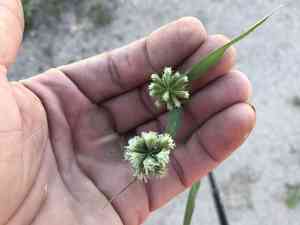
Originating from dry and moderately dry environments, buttongrass flourishes in well-draining sandy or silty substrates. To achieve effective propagation, ready the planting areas by clearing away unwanted material and ensuring a finely textured soil. Disperse seeds directly onto the soil's top layer and lightly conceal them, sustaining uniform dampness until sprouting occurs. Perfect for ground cover, buttongrass benefits from consistent but not excessive irrigation once rooted. Prevent oversaturation to avert root decay.
Optimal Period for Buttongrass Propagation
Propagation Method
Seeding
Propagation Period
Spring
Tools Utilized in Buttongrass Propagation
Seed Trays
Seed trays offer an organized and regulated setting for planting seeds. This is vital for buttongrass, enabling simple handling, labeling, and observation of young plants.
Seedling Heat Mat
A seedling heat mat provides a steady warm temperature that can boost germination rates for buttongrass. This tool is especially useful in colder regions where ground temperatures might not be ideal.
Humidity Dome
A humidity dome assists in maintaining the necessary moisture levels during the germination process of buttongrass by trapping water. This creates a microclimate that prevents the seeds from drying out.
Spray Bottle
A spray bottle helps in uniformly moistening the soil or seed starting mix without dislodging buttongrass seeds. Gentle watering is essential to avoid washing away tiny seeds or seedlings.
Fine Seed Starting Mix
A fine seed starting mix delivers the ideal balance of nutrients, air circulation, and moisture retention for the germinating seeds of buttongrass. This blend ensures good seed-to-soil contact, which is critical for germination.
Labeling Stakes
Labeling stakes are crucial for tracking different batches or varieties of buttongrass seeds being planted. Accurate labeling aids in monitoring germination rates and timelines.
Light Source/Grow Lights
Supplemental illumination, such as grow lights, ensures that buttongrass seedlings receive sufficient light, particularly if grown indoors or in low-light conditions. Proper lighting encourages robust and healthy seedling development.
Transplanting Tool
A small transplanting tool or dibber is useful for carefully moving buttongrass seedlings from seed trays to their final growing location without harming the roots. Careful handling reduces transplant shock and supports better establishment.
How to Propagate Buttongrass?
Propagation Type
Easy
Caring for Your Newly Propagated Buttongrass
Caring for Your Newly Propagated Buttongrass
Once buttongrass seedlings have been successfully propagated and are sufficiently robust, they can be moved to larger containers or an outdoor garden area. Ensure the planting site has good drainage and receives ample sunlight. Maintain consistent soil moisture, but prevent waterlogging. Regularly check for pests and diseases, and consider using a balanced fertilizer to promote healthy growth and strong root systems. Gradually acclimatize the plants to their new environment to minimize transplant shock.
Common Errors to Avoid When Propagating Buttongrass
Overwatering
This can lead to root rot and fungal infections, which are harmful to buttongrass's health and can cause the plant to perish.
Inadequate Light
Insufficient sunlight can result in weak, elongated growth and poor root development, making buttongrass less likely to flourish.
Poor Soil Drainage
Soil that does not drain effectively can create a waterlogged environment, promoting root rot and other issues.
Incorrect Soil Choice
Using the wrong type of soil can impede nutrient absorption and affect the overall growth of buttongrass.
Ignoring Pests
Failing to address pests can lead to infestations that weaken the plant and hinder successful propagation.
Advice for Propagating Buttongrass
Proper Watering
Ensure the soil is consistently moist but not waterlogged. A balanced watering schedule is vital for healthy root development.
Adequate Sunlight
Place buttongrass in a location where it can receive plenty of sunlight daily. Aim for at least 6 hours of direct sun.
Good Soil Drainage
Use well-draining soil to prevent water accumulation around the roots. Ensure the pot or ground allows for proper drainage.
Suitable Soil Type
Buttongrass thrives in sandy or loamy soil that is well-aerated. Ensure the soil mix allows good root penetration and nutrient absorption.
Pest Management
Regularly inspect buttongrass for signs of pests and treat promptly with appropriate measures to prevent infestations and promote healthy growth.



