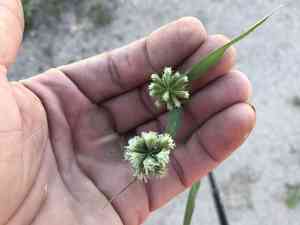
Buttongrass (Dactyloctenium radulans)
Also known as: Button Grass
Button Grass (Gymnoschoenus sphaerocephalus) is a hardy plant commonly seen in the wet and nutrient-poor regions of southwestern Australia and Tasmania. It has several notable features and adaptations:
1. **Tussock Formation**: It grows in dense clumps or tussocks, which help prevent soil erosion and provide stability in its wetland habitat.
2. **Leaf Structure**: The leaves are long, slender, and tough, often cylindrical, which helps reduce water loss and withstand the nutrient-poor conditions of its environment.
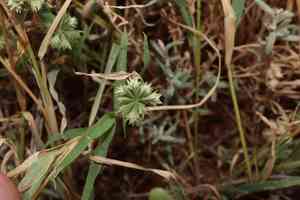
3. **Flower Heads**: Button Grass produces unique, spherical flower heads on upright stems, giving it its common name.
4. **Extensive Root System**: The plant has a deep, extensive root network that aids in water absorption and anchoring in wet and unstable soils.
5. **Fire Resilience**: It is well-adapted to fire-prone areas, capable of quickly regenerating after fires due to its high fire tolerance.
6. **Nutrient Efficiency**: The plant thrives in poor soils, often relying on symbiotic relationships with soil microorganisms to enhance nutrient uptake.
These adaptations allow Button Grass to survive and prosper in the challenging conditions of its natural habitats.
Attributes of Buttongrass
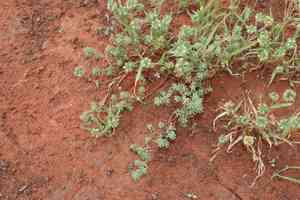
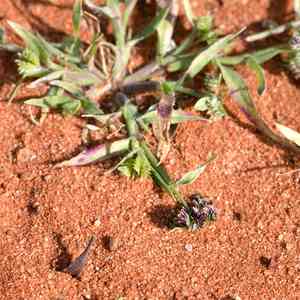
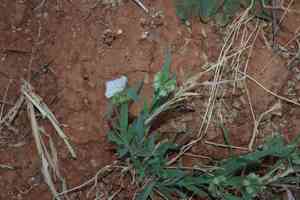
Images of Buttongrass
 How to Water Buttongrass?
  What Are the Sunlight Requirements for Buttongrass?
  What Is the Ideal Temperature Range for Buttongrass?
  What Soil is Best for Buttongrass?
  How to Fertilize Buttongrass?
  How to Prune Buttongrass?
  How to Propagate Buttongrass plant?
 How to Repot Buttongrass plant?



