How to Prune Buttongrass?
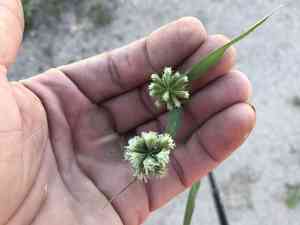
Distinguished by its clumped habit and unique spherical inflorescences, buttongrass flourishes with periodic trimming in spring, summer, and autumn. Essential methods involve excising withered or compromised stalks to stimulate vigorous development and preserve its form. The most effective timing coincides with periods of active growth for superior outcomes. Consistent trimming enhances air movement, diminishing the likelihood of ailments and fostering abundant blooming. Consulting botanical specialists confirms these approaches are based on established methods for sustaining buttongrass's well-being and vitality.
What Are the Benefits of Pruning Buttongrass?
What Are the Benefits of Pruning Buttongrass?
Trimming buttongrass promotes robust development and helps maintain its form. It also fosters healthier foliage, lessens disease risk, and prevents excessive growth, ensuring the plant stays manageable and visually appealing in the garden.
What Is the Best Time for Pruning Buttongrass?
What Is the Best Time for Pruning Buttongrass?
Pruning or trimming buttongrass during the Spring, Summer, and Fall seasons is optimal due to its active growth cycle during these periods. During Spring, new growth begins, making it a suitable time for pruning to encourage robust development. Summer allows for maintaining the shape and health of the plant, as it continues to grow vigorously. Fall pruning helps prepare the plant for the upcoming dormant season, ensuring it remains healthy and well-structured. Avoid pruning during winter, as the plant's growth slows down, making it harder for buttongrass to recover from cuts and potentially causing stress or damage.
What Tools Do I Need to Prune Buttongrass?
Hand Shears
Hand shears are perfect for trimming and shaping buttongrass. Their compact size allows for accurate cuts and better control, which is suitable for the fine stems and leaves of this plant.
Grass Shears
Grass shears with long blades assist in cutting closer to the ground and reaching into confined areas. This is crucial for buttongrass, which grows in clumps and may have dense sections that need tidying.
Pruning Knife
A pruning knife with a sharp, curved blade is useful for cutting back thicker or tougher sections of buttongrass. Its design allows for clean cuts, reducing damage to the plant.
Hedge Trimmers (Manual)
Manual hedge trimmers can be used for larger areas where buttongrass is growing densely, helping to maintain an even height and promote healthy growth.
How to Prune Buttongrass
Detect
Examine buttongrass regularly to find any withered leaves that need removal, ensuring the plant is routinely checked for these indicators.
Tools
Use sterilized, sharp pruning shears to prevent disease transmission and make clean cuts. This minimizes harm to the plant.
Cut Base
Carefully cut the withered leaves at their base, as close to the stem as possible, being cautious not to damage any healthy parts of buttongrass.
Dispose
Collect and dispose of all removed plant material properly to prevent any potential spread of disease or pests.
Inspect Growth
Monitor buttongrass for new growth and the overall health of remaining leaves, adjusting care as needed to promote recovery and vigor.
Common Pruning Mistakes with Buttongrass
Over-pruning
Cutting back too much of buttongrass can harm the plant's overall health and reduce its ability to photosynthesize effectively.
Improper Technique
Using dull or inappropriate tools can cause tearing rather than clean cuts, leading to increased vulnerability to diseases.
Wrong Timing
Pruning at the incorrect times can compromise the plant's ability to recover, as buttongrass may require certain periods to heal properly.
Neglecting Sanitation
Failing to clean pruning tools between cuts can spread disease and pests from one part of the plant to another or between plants.
Common Pruning Tips for Buttongrass
Moderation
Maintain a balance by pruning only necessary parts of buttongrass to encourage healthier growth without causing undue stress to the plant.
Sharp Tools
Always use sharp, clean pruning tools to make precise cuts, reducing the risk of damage and disease.
Selective Pruning
Focus on removing dead, damaged, or diseased stems and leaves to improve air circulation and light penetration, which are essential for the plantâs recovery and growth.
Cleanliness
Disinfect pruning tools before and after use on different plants or different parts of the same plant to minimize the risk of disease transmission.



