How to Transplant Hairy broom?
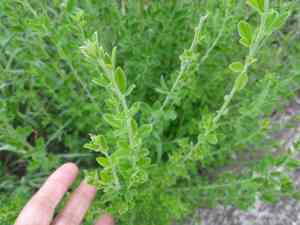
The optimal period for relocating hairy broom spans from early spring's emergence to its peak flowering, allowing root establishment prior to the summer season. Select a location bathed in sunlight with soil that drains effectively. Carefully introduce it to its new environment to avert stress, fostering vigorous development.
What Preparations are Needed Before Transplanting Hairy Broom?
What is the Ideal Time for Transplanting Hairy Broom?
For hairy broom, the prime period for relocation spans from early spring's awakening to the edge of summer. This timeframe offers moderate temperatures conducive to root development, ensuring a smooth transition. Moving hairy broom during this phase leverages its natural growth cycle, providing ample time for the plant to adapt and thrive before the intensity of summer heat. By transplanting within this window, you harness the season's gentle climate, which is favorable for delicate roots, promoting a strong start in its new spot.
How Much Space Should You Leave Between Hairy Broom Plants?
Allow your hairy broom ample room to thrive! Position them approximately 24-36 inches (60-90 cm) apart, providing sufficient space for root expansion and preventing competition for light or nutrients.
What is the Best Soil Mix for Hairy Broom Transplanting?
For your hairy broom, prepare a well-draining soil mixture, enriched with a balanced fertilizer to ensure a robust beginning. Loamy soil is excellent for them, allowing their roots to settle into a nourishing, comfortable bed.
Where Should You Relocate Your Hairy Broom?
Your hairy broom thrives in sunlight, so select a bright, sunny location for transplanting. Full sun â meaning at least 6 hours of direct sunlight daily â will make your hairy broom flourish with vitality!
What Equipments Should You Prepare Before Transplantation Hairy Broom?
Gardening Gloves
To safeguard your hands while handling soil and the plant.
Shovel or Spade
For excavating the plant and creating a new planting site.
Hand Trowel
For precise digging and careful manipulation around the root ball.
Watering Can or Hose
To hydrate the plant before and after its relocation.
Pruning Shears
To trim any impaired roots or stems.
Wheelbarrow or Garden Cart
To move the plant from its current spot to the new one.
Measuring Tape
To determine the correct depth and width for the new planting hole.
Garden Fork
To loosen the earth in the planting vicinity.
Mulch
To cover the ground post-planting to maintain moisture.
How Do You Remove Hairy Broom from the Soil?
How Do You Remove Hairy Broom from the Soil?
From Ground: First, moisten the soil around the hairy broom plant. Then, dig a wide trench around the plant using a shovel or spade, being careful not to harm the root ball. Gently slide the spade beneath the root ball and carefully lift the plant from the ground.From Pot: Begin by watering the hairy broom plant in its current container. Slowly tilt the pot sideways and tap the bottom to loosen the plant. Gradually pull the plant out, supporting the root ball with your hand.From Seedling Tray: Water the seedlings to ensure the soil is damp. Use a hand trowel to carefully lift each hairy broom seedling by its root ball, taking care not to disturb the roots.
Step-by-Step Guide for Transplanting Hairy Broom
Preparation
Gather all necessary tools and thoroughly water the hairy broom before commencing the transplanting process.
Removal
Depending on its current location, use the appropriate technique to carefully extract your hairy broom from the ground, pot, or seedling tray, keeping as much of the root ball intact as possible.
Transport
Place the hairy broom in a wheelbarrow or garden cart and move it to the new planting area, avoiding prolonged exposure of the roots to direct sunlight.
Planting Hole
Dig a hole twice the width of the root ball and the same depth to allow the hairy broom's roots ample space to spread.
Inspection
Examine the root ball for any signs of damage or decay. Gently trim any compromised roots with pruning shears.
Positioning
Center the hairy broom in the hole, ensuring it is level with the surrounding ground.
Soil Replacement
Backfill the hole with the original soil, gently firming it around the root ball without excessive compaction.
Watering
Water the hairy broom generously immediately after planting to settle the soil and eliminate air pockets.
Mulching
Apply a layer of mulch around the base of your hairy broom to help retain soil moisture and regulate soil temperature.
How Do You Care For Hairy Broom After Transplanting?
Monitoring
Regularly check soil moisture and water the hairy broom when the soil feels dry to the touch to prevent dehydration.
Supporting
Stake the hairy broom if it appears unstable, using soft ties to prevent stem damage.
Adjustment
Observe for signs of transplant shock, such as wilting leaves or lack of new growth, and be patient as the hairy broom adapts to its new environment.
Pruning
Remove any dead or damaged branches to encourage healthy development and a robust, well-formed plant.
Troubleshooting Common Issues with Hairy Broom Transplantation.
What's the best timing for transplanting hairy broom?
Transplant hairy broom during mild weather, ideally from early to late spring for optimal root establishment.
How far apart should I space hairy broom when transplanting?
Provide ample space between plants, approximately 24-36 inches (60-90 cm) to allow for sufficient growth and air circulation.
How do I prepare the soil for transplanting hairy broom?
Enrich the soil with compost or well-rotted manure, ensuring it drains well yet retains adequate moisture.
Why is my hairy broom wilting after transplanting?
Wilting can be due to transplant shock; ensure proper watering and avoid direct sun exposure until recovery.
How deep should I plant hairy broom's root ball?
Dig a hole as deep as the root ball and twice as wide, allowing roots to spread easily.
Should I water hairy broom immediately after transplanting?
Yes, water thoroughly to settle the soil around the roots and remove air pockets.
Can I transplant hairy broom on a hot, sunny day?
Avoid transplanting on hot days. Overcast days with mild temperatures are best to minimize stress.
Why are hairy broom's leaves turning yellow after transplanting?
Yellowing may indicate overwatering or nutrient deficiency. Monitor water intake and consider a balanced fertilizer.
How can I protect hairy broom from transplant shock?
Minimize root disturbance during transplanting and maintain consistent soil moisture and temperature.
What should I do if hairy broom's growth is stunted post-transplant?
Ensure the plant isn't planted too deeply, check for pests, and provide sufficient water and nutrients.



