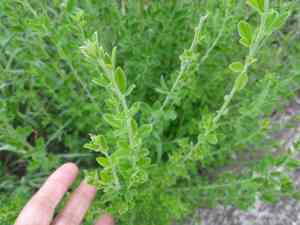
Hairy broom (Cytisus villosus)
Also known as: Hairy Broom
The hairy broom shrub (Cytisus scoparius) thrives in dry, well-drained, acidic soils. This deciduous or evergreen plant can grow up to 2 meters tall and is somewhat frost-sensitive. Commonly used in hedges and borders, it also works well as a solitary feature due to its striking, tall, upright branches adorned with many flowers.
In This Article
Attributes of Hairy broom
Lifespan
Perennial
Plant Type
Shrub
Plant Height
2 m
Spread
1 to 2 meters
Leaf Color
Green
Flower Size
1.5 cm to 1.8 cm
Flower Color
Yellow
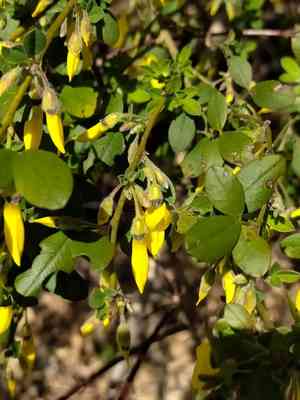
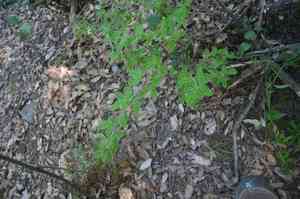
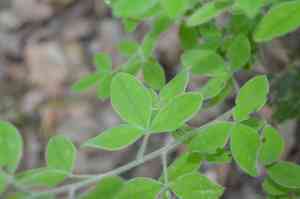
Images of Hairy broom
Quickly Identify Hairy broom
1
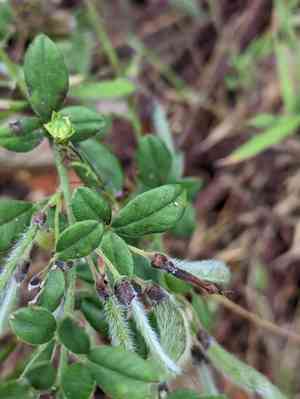
To identify Cytisus villosus, look for hairy stems and leaves, as well as bright yellow, pea-like flowers. The plant typically forms a rounded, bushy shape.
Scientific Classification of Hairy broom
Phylum
Vascular plants
Class
Dicotyledons
Order
Fabales
Family
Legume
Genus
Brooms
Species
Hairy broom
Planting and Growing of Hairy broom
Care Difficulty
Easy
Watering Schedule
Every 2 days
Sunlight Requirements
Full sun
Sunshine Duration
6-8 hours
Ideal Temperature
60-75℉
Soil Type
Potting Mix, Peat Mix
Soil pH
6.5-7.5
Fertilizer Type
Balanced
Pruning Season
Spring, Summer
Pruning Area
Branches, Leaves
Pruning Frequency
2 times a year
Repotting Season
Spring
Pot Type
Plastic, Terracotta
 How to Water Hairy broom?
Cytisus villosus prefers moderate watering, ensuring that the soil is evenly moist, but never soggy. A good rule of thumb is to water with 250 ml per session, allowing the top layer of the soil to dry slightly between watering.
What are the symptoms of an underwatered Hairy broom?
›
What should I do if my Hairy broom is not getting enough water?
›
What are the symptoms of an overwatered Hairy broom?
›
How to save an overwatered Hairy broom?
›
 What Are the Sunlight Requirements for Hairy broom?
Cytisus villosus benefits from full sunlight Exposure. This facilitates vibrant flowering and optimal growth. Ideal light ensures plant health, improves resistance, and enhances photosynthesis efficiency, resulting in robust foliage and stunning flowers.
What is the optimal lighting condition for Cytisus villosus?
›
How can I ensure Cytisus villosus gets the ideal sunlight?
›
What are the benefits of ideal lighting for Cytisus villosus?
›
 What Is the Ideal Temperature Range for Hairy broom?
Cytisus villosus thrives best in moderate temperatures, ideally ranging from 60 to 75 degrees Fahrenheit. Within this temperature range, the plant can efficiently carry out photosynthesis and other metabolic processes. Environments that maintain these temperatures tend to support the optimum growth, flowering, and overall health of Cytisus villosus.
 What Soil is Best for Hairy broom?
Cytisus villosus thrives in well-drained soils that prevent waterlogging, which can lead to root rot. This requirement allows the plant to maintain healthy roots and optimal growth. While this plant can tolerate relatively poor soils, it benefits from moderate nutrient levels for more vigorous growth. A balanced nutrient profile supports robust flowering and foliage health. A soil pH ranging from 6.5 to 7.5 is ideal for Cytisus villosus, ensuring nutrient availability and healthy growth. This range prevents nutrient lock-up common in more acidic soils.
 How to Fertilize Hairy broom?
For Cytisus villosus, it is recommended to use a balanced fertilizer with an N-P-K ratio of 10-10-10. Apply liquid fertilizer at half the recommended strength to avoid over-fertilizing. Each liquid application should be around 250-300 ml for a medium-sized plant. For solid fertilizers, apply approximately 50 grams of slow-release granules, evenly distributed around the base of the plant, ensuring the granules are lightly mixed into the topsoil.
 How to Prune Hairy broom?
Begin by examining the plant's natural shape. Identify dead, damaged, or crossing branches. Start by removing these to open up the plant, encouraging new growth in a balanced manner. Make clean cuts at a 45-degree angle, just above a bud or lateral branch. This encourages new shoots to grow at the cut point, maintaining the plant's natural form and health.
More About Pruning Techniques→
 How to Propagate Hairy broom plant?
1
Harvest seeds from mature pods in late spring. Ensure the seeds are fully dry before storage or planting to prevent mold and ensure a high germination rate.
2
Cut semi-hardwood sections of the plant during early summer. Choose pieces with healthy leaves and a length of about 10-15 cm. Remove lower leaves before planting.
3
Plant seeds or cuttings in well-draining soil. Water thoroughly to settle the soil but ensure it doesn't become waterlogged. This helps establish the roots in the new environment.
 How to Repot Hairy broom plant?
1
The best time to repot Cytisus villosus is in the spring when the plant is just emerging from the dormancy of winter and entering its growth phase. Look for signs such as roots protruding from the pot's drainage holes or the plant becoming root-bound, which indicates a need for more space.
2
Select a pot that is one size larger than the current one, with excellent drainage capabilities. Using a slightly larger pot prevents overwatering issues and gives roots adequate space to expand, promoting healthier growth and stability.
3
Opt for a well-draining sandy soil mix, ideal for mimicking the natural environment of Cytisus villosus. This type of soil prevents root rot by allowing excess water to escape while retaining sufficient moisture for nutrient absorption.
Toxicity
Ingestion
WARNING
The judgment on toxicity and danger is for reference only. We DO NOT GUARANTEE any accuracy of such judgment. Therefore, you SHALL NOT rely on such judgment. It is IMPORTANT TO SEEK PROFESSIONAL ADVICE in advance when necessary.



