The Hairy broom Plant Advantage: Maximizing Home and Office Appeal and Wellness
1
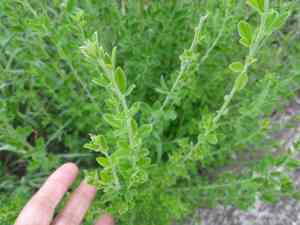
Hairy broom is a resilient plant perfect for water-wise landscaping and securing soil.
2
This bush draws in helpful insects and provides for local fauna.
3
Hairy broom is effective for preventing soil loss and improving the visual appeal of an area.
Why is Hairy broom Ideal for Xeriscaping?
Drought Tolerance
Hairy broom is particularly well-suited for xeriscaping, a landscaping approach that minimizes or eliminates the need for extra water. This plant thrives in dry conditions, requiring little water once established. Its deep root system accesses subterranean moisture, making it an excellent option for water conservation in regions with limited rainfall.
Minimal Upkeep
Another notable characteristic of Hairy broom is its low-maintenance nature. Once planted, it demands minimal attention, which means less time and effort spent on care. This makes it an appealing choice for busy gardeners or those aiming to create a sustainable garden.
How Does Hairy broom Benefit Wildlife?
Drawing in Beneficial Insects
Hairy broom plays a vital role in supporting local biodiversity. Its bright, fragrant blooms attract various helpful insects, including bees and butterflies, which are crucial for pollination. This boosts the overall health and productivity of your garden.
Habitat for Small Creatures
In addition to insects, Hairy broom offers refuge and sustenance for small mammals and birds. The dense thickets formed by this plant provide a secure nesting area and protection from predators, transforming your garden into a miniature ecosystem that nurtures and safeguards wildlife.
What Are the Landscaping Advantages of Hairy broom?
Erosion Prevention
One of the significant benefits of cultivating Hairy broom is its capacity to prevent soil erosion. Its extensive root system firmly anchors the soil, reducing runoff and soil loss during heavy downpours. This makes it an excellent selection for areas prone to erosion.
Visual Appeal
Beyond its practical uses, Hairy broom adds considerable aesthetic value to any landscape. Its lush foliage and vibrant flowers create visual interest and a natural charm that enhances the overall attractiveness of your garden. Planting it along borders or as a focal point can transform plain areas into picturesque spots.
How Can Hairy broom Enhance Soil Quality?
Nitrogen Fixation
Hairy broom belongs to the legume family, known for its ability to fix nitrogen in the soil. This means it helps convert atmospheric nitrogen into a form that plants can absorb and utilize. By planting Hairy broom, you can naturally enrich your soil, reducing the need for chemical fertilizers.
Improving Soil Structure
The root system of Hairy broom also contributes to enhancing soil structure. Its roots create channels for air and water to penetrate the soil, improving its overall health and fertility. This leads to better plant growth and a more resilient garden ecosystem.
How Simple is It to Propagate Hairy broom?
Seed Propagation
Propagating Hairy broom from seeds is a straightforward process. Simply gather seeds from mature pods and sow them in well-drained soil. Ensure they receive adequate sunlight and water until germination. This method is cost-effective and allows you to produce multiple plants.
Cuttings and Layering
You can also propagate Hairy broom through cuttings and layering. Take healthy cuttings, plant them in a suitable medium, and keep them moist until they develop roots. Layering involves bending a low branch to the ground, covering it with soil, and allowing it to root. Both methods are relatively easy and can quickly expand your plant collection.



