How to Prune Hairy broom?
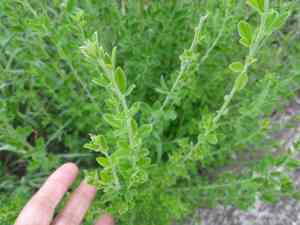
This member of the legume family, recognized by its soft, fuzzy texture and flowing yellow blossoms, flourishes with appropriate trimming. For hairy broom, conduct pruning in late winter or early spring prior to the emergence of new shoots. Remove any lifeless or frail branches to preserve its form and foster robustness. Reducing stem length just above a bud will stimulate fresh flowering. Pruning revitalizes hairy broom, enabling light and air to penetrate the internal branches, thereby improving bloom production and averting ailments. Perform regular pruning for a vibrant, compact presentation.
Advantages of Trimming Hairy Broom
Advantages of Trimming Hairy Broom
Trimming hairy broom promotes robust development and helps maintain its desired form. Strategic cutting back stimulates new shoots, ensuring a denser and healthier plant, while also preserving garden aesthetics.
Optimal Period for Pruning Hairy Broom
Optimal Period for Pruning Hairy Broom
Pruning hairy broom during late winter or early spring aligns with its growth cycle, as the plant is dormant during this period. This timing prevents sap loss, which can be more pronounced if pruning occurs after new growth has begun in late spring or summer. Additionally, pruning before the onset of spring growth allows hairy broom to heal from cuts and direct energy to new, healthy growth when the growing season starts. It also minimizes the risk of disease infection, as many pathogens are less active in cold weather. The recommended timing ensures that hairy broom maintains its shape and can produce an abundant display of blooms, as flowering typically occurs on new wood formed after pruning.
Required Tools for Pruning Hairy Broom
Bypass Pruners
Ideal for making clean cuts on the thinner, live stems of hairy broom without crushing them.
Loppers
Useful for reaching into denser patches and cutting thicker branches that bypass pruners cannot handle.
Pruning Saw
Necessary for the occasional removal of older, woodier stems, as hairy broom might develop such growth that may require a saw.
Gloves
Important to protect the hands from thorny growths that might be present in hairy broom.
Garden Shears
Perfect for shaping hairy broom after the main structural pruning is done, as they allow for quick trimming of soft growth.
How to Prune Hairy Broom
Disinfect tools
Before beginning, ensure that all cutting tools are disinfected to prevent the spread of disease to hairy broom.
Remove diseased parts
Carefully cut away any diseased leaves and branches from hairy broom, making sure to cut back to healthy wood to prevent further infection.
Eliminate dead material
Remove withered leaves and dead branches from hairy broom to improve air circulation and light penetration, which encourages healthy new growth.
Clean cut
Make each cut clean and at a slight angle, just above a bud or branching point on hairy broom to promote efficient healing and stimulate new growth.
Disposal
Collect and dispose of all cuttings away from hairy broom to reduce the risk of re-infection or disease spread.
Common Pruning Mistakes with Hairy Broom
Cutting into old wood
Pruning hairy broom back into the old, non-productive wood can be detrimental as it may not produce new shoots, which can limit future flowering and potentially damage the plant.
Over-pruning
Removing too much growth at once can stress hairy broom, leading to weaker plants that are prone to diseases and may have reduced flowering. Aim for moderate pruning to maintain the plant's health.
Improper tool use
Utilizing dull or unclean pruning tools can result in jagged cuts or spread diseases to hairy broom. Always use sharp and sterilized tools for clean cuts and to protect plant health.
Neglecting to shape
Failing to shape hairy broom during pruning, particularly not thinning out crowded areas, can lead to poor air circulation and light penetration, which are vital for the health and flowering of the plant.
Ignoring healthy growth patterns
Pruning without understanding the natural growth habit of hairy broom may result in an unnatural appearance and potentially harm the plant's growth. Follow the natural form when pruning.
Common Pruning Tips for Hairy Broom
Timing within season
While the best season isn't specified, it's crucial to prune hairy broom at a time when the plant is not actively growing or preparing to flower. This encourages healthy, vigorous growth and ample flowering.
Selective pruning
Focus on removing dead or weak stems to improve the overall vigor of hairy broom and stimulate new growth that can contribute to a better flowering display.
Maintaining plant size
Regularly prune to maintain the desired size and shape of hairy broom, which keeps the plant manageable and aesthetically pleasing in the landscape. This also encourages a strong framework for new growth.
Pruning for health
Remove any diseased or damaged branches promptly to maintain the health of hairy broom, cutting back to healthy wood to prevent the spread of disease.
Encouraging new growth
Pruning hairy broom should stimulate the plant to produce new shoots, which will bear flowers in future seasons. Make cuts just above healthy buds or branching points to promote this new growth.



