How to Transplant Red cyphomeris?
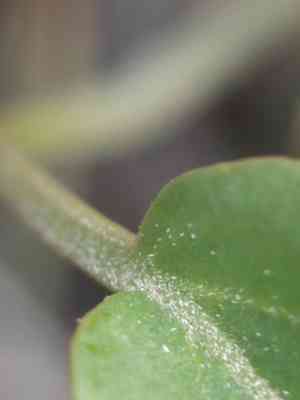
Red cyphomeris flourishes when relocated during the initial to middle part of spring or the middle to latter part of summer, as these intervals provide ideal cultivation circumstances. It prefers a bright to partially shaded spot with soil that drains effectively. Guarantee minimal disruption to the roots for a successful transfer.
What Preparations are Needed Before Transplanting Red Cyphomeris?
What is the Ideal Time for Transplanting Red Cyphomeris?
For optimal red cyphomeris development, transplanting in early spring or from mid-to-late summer is advised. This timing allows root establishment before extreme temperatures, fostering strong growth. Transplanting during these periods utilizes milder weather, reducing stress and boosting overall plant vitality.
How Much Space Should You Leave Between Red Cyphomeris Plants?
Red cyphomeris should be spaced 12 inches (30 cm) apart. This spacing ensures each plant has ample room to grow and flourish without competing for resources like water and sunlight.
What is the Best Soil Mix for Red Cyphomeris Transplanting?
Utilize well-draining soil to prevent waterlogging. Enhance the soil with a balanced base fertilizer, such as 10-10-10 (N-P-K), to supply essential nutrients. Incorporating organic matter or compost can also improve the soil quality for red cyphomeris.
Where Should You Relocate Your Red Cyphomeris?
Position red cyphomeris in a spot that receives full sun, ideally at least 6-8 hours of direct sunlight daily. This will ensure the plant can photosynthesize efficiently and grow strong and healthy.
What Equipments Should You Prepare Before Transplantation Red Cyphomeris?
Gardening Gloves
To safeguard your hands while handling soil and plants.
Shovel or Spade
For excavating holes and trenches.
Trowel
For smaller, more precise digging tasks.
Watering Can or Hose
To hydrate the plant before and after relocation.
Garden Fork
To loosen the soil surrounding the plant.
Wheelbarrow
To move the plant if necessary.
Mulch
To help retain moisture and control weeds around the plant.
Plant Supports (if needed)
To provide stability for tall or delicate plants during the initial period after transplanting.
How Do You Remove Red Cyphomeris from the Soil?
How Do You Remove Red Cyphomeris from the Soil?
From Ground: First, water the red cyphomeris plant to moisten the soil. Then, dig a wide trench around the plant using a shovel or spade, ensuring the plant's root ball remains intact. Carefully work the spade under the root ball to lift the plant from its original location.From Pot: Water the red cyphomeris thoroughly a day before transplanting. Hold the plant close to its base and gently tip the pot to remove the red cyphomeris. If it is stuck, run a knife along the edge of the pot to loosen it.From Seedling Tray: Water the seedlings to make the soil moist not soggy. Gently push up from the base of the tray to release the seedlings, taking care not to damage the root system. Use a pencil or similar tool to help lift any stubborn seedlings.
Step-by-Step Guide for Transplanting Red Cyphomeris
Site Preparation
Ensure the new site is well-prepared by loosening the soil and removing any weeds. Dig a hole twice as wide and just as deep as the root ball of the red cyphomeris.
Transplanting
Place the red cyphomeris carefully in the prepared hole. The top of the root ball should be level with the ground surface. Fill the hole with soil, firming gently to eliminate air pockets.
Watering
Water the red cyphomeris thoroughly immediately after transplanting. This helps to settle the soil around the roots.
Mulching
Apply a layer of mulch around the base of the red cyphomeris to retain moisture and reduce competition from weeds. Be sure to keep mulch away from the stem or base of the plant.
Support Installation (if needed)
If the red cyphomeris is tall or delicate, consider installing supports to help it remain stable during the initial period after transplanting.
How Do You Care For Red Cyphomeris After Transplanting?
Watering
Keep the soil around the red cyphomeris consistently moist, but not soggy, for the first few weeks after transplanting to help establish strong roots.
Monitoring
Keep an eye on the plant for signs of transplant shock, such as wilting or yellowing leaves. Adjust care as needed to ensure a healthy transition.
Feeding
Use a balanced fertilizer sparingly after the red cyphomeris has settled in to encourage growth.
Weed Control
Regularly remove any weeds that appear around the base of the red cyphomeris to reduce competition for nutrients and water.
Troubleshooting Common Issues with Red Cyphomeris Transplantation.
When is the best time to transplant red cyphomeris?
The best times for transplanting red cyphomeris are early spring or mid to late summer.
How far apart should red cyphomeris be spaced?
Red cyphomeris should be spaced 12 inches (30 cm) apart to ensure proper growth.
How do I prepare the soil for transplanting red cyphomeris?
Ensure well-draining soil enriched with compost to provide essential nutrients.
What is the optimal sunlight requirement for red cyphomeris?
Red cyphomeris thrives in full sun to partial shade, preferably with at least 6 hours of sunlight.
Should I water red cyphomeris immediately after transplanting?
Yes, water red cyphomeris thoroughly right after transplanting to help it stabilize.
How can I avoid transplant shock in red cyphomeris?
Acclimate red cyphomeris to its new location gradually by exposing it to increased sunlight daily.
Is mulching beneficial for red cyphomeris after transplanting?
Mulching helps retain moisture and suppress weeds, benefiting red cyphomeris greatly post-transplant.
What should I do if red cyphomeris shows signs of wilting after transplanting?
Check soil moisture, ensure proper watering, and protect from direct midday sun temporarily.
How deep should the hole be for transplanting red cyphomeris?
Dig a hole twice the width and the same depth as the root ball of red cyphomeris.
Can I fertilize red cyphomeris immediately after transplanting?
Wait a few weeks after transplanting red cyphomeris before applying a balanced fertilizer to avoid root burn.



