How to Prune Red cyphomeris?
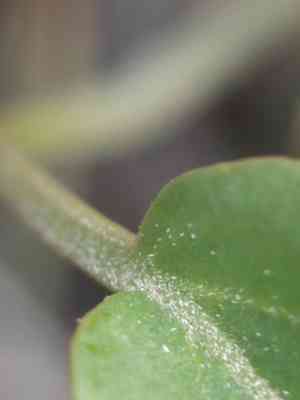
Red cyphomeris, known for its vivid leaves, flourishes with regular trimming to preserve its form and stimulate more compact development. The most effective time for pruning is in spring, summer, or early autumn, which boosts its vigor and controls its dimensions. Strategic trimming also lowers the chance of illness by enhancing air movement throughout the plant. Advantages encompass revitalized development and extended visual attractiveness. Always employ sanitized, keen implements to avert harm and guarantee accurate incisions.
What Are the Benefits of Pruning Red Cyphomeris?
What Are the Benefits of Pruning Red Cyphomeris?
Trimming red cyphomeris encourages robust development and helps preserve its intended form. Consistent cutting back guarantees healthy foliage and structural integrity, vital for its beauty and vigor.
What Is the Best Time for Pruning Red Cyphomeris?
What Is the Best Time for Pruning Red Cyphomeris?
Pruning red cyphomeris in spring is advantageous as it aids in shaping the plant and removing any branches damaged over winter, stimulating new growth. Summer trimming can be used to thin out dense foliage, which improves air circulation and reduces pest problems. This timing assists in managing the plant's size and boosts its flowering potential. Autumn pruning involves eliminating old or dead growth, preparing red cyphomeris for healthier and more vigorous spring development. Avoid winter pruning to prevent frost damage on fresh cuts.
What Tools Do I Need to Prune Red Cyphomeris?
Hand Pruners
Perfect for cutting through the softer stems of red cyphomeris, these tools offer precision and prevent unnecessary harm to the plant.
Pruning Shears
Most suitable for trimming and shaping the foliage of red cyphomeris, ensuring a clean cut that promotes healthy regrowth.
Garden Scissors
Useful for deadheading and removing spent blooms on red cyphomeris, which can enhance the plant's appearance and encourage fuller growth.
How to Prune Red Cyphomeris
Clean tools
Before beginning to prune red cyphomeris, clean and sanitize all pruning implements. This prevents the spread of diseases and pests. Use a solution of one part bleach to nine parts water to wipe down blades.
Remove diseased parts
Carefully remove any diseased leaves and branches from red cyphomeris. Make cuts close to the main stem or a healthy leaf node to promote healthy growth. Ensure all removed material is disposed of properly to prevent reinfection.
Trim withered leaves
Trim all withered or yellowing leaves to help red cyphomeris conserve energy. This allows the plant to focus resources on healthier, new growth. Use sharp, clean scissors or shears to make precise cuts without damaging healthy tissues.
Eliminate dead branches
Identify and cut back dead branches on red cyphomeris. Saw or cut these branches back to the point where healthy tissue starts, typically near a lateral branch or bud. This will enhance air circulation and light penetration into the canopy, encouraging a more robust growth.
Shape the plant
Shape red cyphomeris by clipping back overgrown branches to maintain its overall form and size. This not only contributes to aesthetic appearance but also fosters a balanced, healthy development and prevents excess weight from damaging the plant.
Common Pruning Mistakes with Red Cyphomeris
Over-pruning
Removing too much foliage from red cyphomeris can severely hamper its growth. This mistake often stems from the misconception that aggressive cutting back promotes more vigorous growth. It's critical to avoid removing more than one-third of the plant's total foliage during any single pruning session.
Inadequate tool maintenance
Using dull or dirty pruning tools can lead to jagged cuts that are susceptible to pests and diseases. It's essential to use sharp, clean shears to make clean cuts that heal quickly, minimizing stress on red cyphomeris
Pruning too close to the main stems
Cutting too close to the main stem or 'collar' can cause damage that may lead to disease entry and poor healing. It is important to cut just above the leaf node or lateral branch without leaving a stub.
Ignoring plant structure
Novice gardeners often make the mistake of pruning without a clear plan or understanding of red cyphomeris's natural shape and branching pattern. Random or excessive cutting can weaken the plant structure and diminish its aesthetic and health.
Common Pruning Tips for Red Cyphomeris
Selective thinning
Focus on removing only the overgrown, dead, or diseased branches. This method helps maintain red cyphomeris's natural form, ensures adequate light and air circulation, and encourages healthy growth and flowering.
Timely intervention
Regular monitoring and slight corrective pruning can be more beneficial than occasional severe pruning. Address issues as they arise by snipping wayward branches or twigs to maintain the desired shape and size of red cyphomeris.
Post-pruning care
Ensure that red cyphomeris receives adequate water and nutrients after pruning to help it recover and thrive. A light application of a balanced fertilizer can support the rebound of foliage and blooms.
Pruning for rejuvenation
If red cyphomeris appears overgrown and unhealthy, consider more drastic rejuvenation pruning to reset its growth. Cut back old branches to promote new growth from the base, making sure to retain several healthy buds on each remaining branch.



