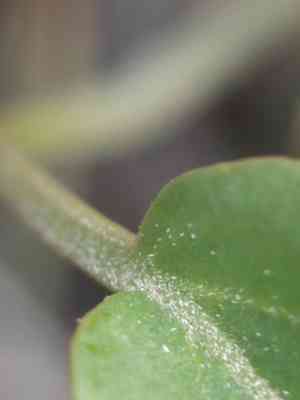
Red cyphomeris (Cyphomeris gypsophiloides)
Also known as: Creek Clover
Red cyphomeris, also known as Cyphomeris gypsophiloides, is a perennial herb distinguished by its slender, sprawling stems and small, pink to reddish flowers that grow in clusters. It prefers gypsum-rich soils, often found in arid and semi-arid regions. This plant thrives in open, sunny environments such as desert washes and rocky slopes. Its compact size and sparse foliage are adaptations that allow it to conserve water and endure intense sunlight, making it highly resilient to drought conditions.
In This Article
Attributes of Red cyphomeris
Lifespan
Perennial
Plant Type
Herb, Shrub
Plant Height
10-30 cm
Spread
15-20 cm
Leaf Color
Green
Flower Size
0.5-1 cm
Flower Color
White or pale pink
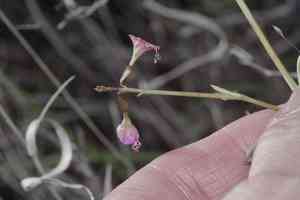
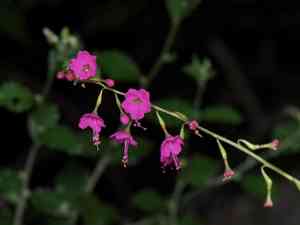
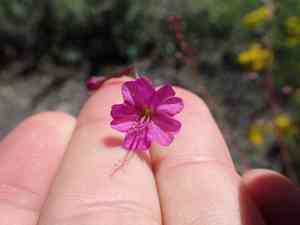
Images of Red cyphomeris
Quickly Identify Red cyphomeris
1
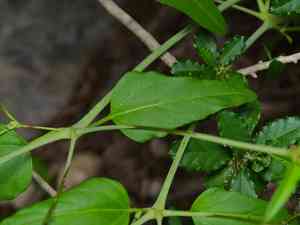
Identify Cyphomeris gypsophiloides by its thin, wiry stems and small white or pink flowers that grow in clusters. The leaves are narrow and lanceolate, arranged oppositely along the stem.
Scientific Classification of Red cyphomeris
Phylum
Vascular plants
Class
Dicotyledons
Order
Caryophyllales
Family
Four o'clock
Genus
Cyphomeris
Species
Red cyphomeris
Planting and Growing of Red cyphomeris
Care Difficulty
Easy
Watering Schedule
Every 2 days
Sunlight Requirements
Partial sun
Sunshine Duration
6-10 hours
Ideal Temperature
65-75℉
Soil Type
Potting Mix, Peat Mix
Soil pH
7-8
Fertilizer Type
Balanced
Pruning Season
Spring, Summer
Pruning Area
Branches, Leaves
Pruning Frequency
2 times a year
Repotting Season
Spring
Pot Type
Terracotta, Plastic
 How to Water Red cyphomeris?
When watering Cyphomeris gypsophiloides, aim for a deep soak that is around 200 ml. This ensures the roots receive enough moisture but aren't waterlogged, promoting healthy growth. The goal is to moisten the soil uniformly without creating puddles.
What are the symptoms of an underwatered Red cyphomeris?
›
What should I do if my Red cyphomeris is not getting enough water?
›
What are the symptoms of an overwatered Red cyphomeris?
›
How to save an overwatered Red cyphomeris?
›
 What Are the Sunlight Requirements for Red cyphomeris?
The plant's ideal light range includes partial to full sunlight exposure, with significant benefits such as improved photosynthesis rates, fuller leaf development, increased flowering, and enhanced disease resistance.
What is the best lighting condition for Cyphomeris gypsophiloides?
›
How can I ensure Cyphomeris gypsophiloides receives its ideal light?
›
What are the benefits of ideal lighting for Cyphomeris gypsophiloides?
›
 What Is the Ideal Temperature Range for Red cyphomeris?
The ideal temperature range for Cyphomeris gypsophiloides is between 65°F to 75°F. This range allows the plant to maintain robust growth and biochemical processes, promoting healthy foliage and bloom development. Maintaining temperatures in this optimal bracket ensures that the plant can sustain its metabolic activities efficiently without the stress encountered at the extremities of its tolerable temperature range.
 What Soil is Best for Red cyphomeris?
Cyphomeris gypsophiloides thrives in soils that offer excellent drainage. Understanding that well-draining soils prevent root rot and enhance healthy root extension is essential for this plant's vitality. Preferring calcareous soils, this plant benefits significantly from the calcium content, contributing to robust cell structure and overall plant strength, ensuring vibrant growth. Maintaining a stable, slightly alkaline pH ensures optimal nutrient uptake, vital for the plant's growth and flowering processes, ultimately promoting lush development.
 How to Fertilize Red cyphomeris?
Cyphomeris gypsophiloides benefits from moderate fertilization. For liquid fertilizers, dilute the solution to half the strength recommended for typical houseplants. Apply approximately 100-150 ml of this diluted solution per plant to ensure even distribution and optimal absorption.
 How to Prune Red cyphomeris?
Start by sterilizing your pruning shears with rubbing alcohol to prevent disease spread. Trim back any dead or damaged leaves and stems. Cut at a 45-degree angle just above a leaf node to encourage new growth. If the plant is overly bushy, thin out the interior to improve air circulation. Prune to shape your Cyphomeris gypsophiloides according to your preference. Trim sides lightly to keep it compact and encourage lateral branches. This can help create a fuller appearance and prevent the plant from becoming leggy.
More About Pruning Techniques→
 How to Propagate Red cyphomeris plant?
1
Before sowing, soak the seeds in water for 24 hours. This helps to soften the seed coat and promotes faster germination. Use a seed tray filled with a well-draining potting mix, and scatter the seeds lightly on top of the soil. Cover lightly with soil.
2
Select healthy, non-flowering stems and cut a piece approximately 10 cm in length. Remove the lower leaves of the cutting to prevent rot in the soil. Dip the cut end in rooting hormone to encourage root growth, and plant the cutting in a pot filled with dampened potting mix.
3
Once the seedlings have developed a few true leaves, carefully transplant them to larger pots or their final garden location. Handle the seedlings by the leaves to avoid damaging the delicate stems. Ensure the soil is moist after transplanting to reduce shock.
 How to Repot Red cyphomeris plant?
1
Cyphomeris gypsophiloides need repotting when roots overgrow the pot, or soil looks depleted. Yellowing leaves and poor growth are signs. Best done early in its active season for minimal stress.
2
Select a pot slightly larger than the current one with drainage holes. This ensures healthy root growth and prevents waterlogging, which can cause root rot in Cyphomeris gypsophiloides.
3
Opt for well-draining sandy soil to mimic its natural habitat. This type of soil prevents water retention and encourages healthy root growth, reducing the risk of root rot.
Learn More About Red cyphomeris Diseases
Anthracnose
Bacterial Leaf Spot
Bacterial Soft Rot
Bacterial Wilt
Crown Gall
Cyst Nematode
Damping-off
Downy Mildew
Drought Stress
Fusarium Wilt
Gray Mold
Leaf Curl
Leaf Spot
Mosaic
Nutrient Deficiency
Nutrient Toxicity
Powdery Mildew
Root Rot
Root-knot Nematode
Rusts
Sooty Mold
Spider Mites
Temperature Stress
Thrips Damage
White Mold
Chemical Injury



