How to Propagate Red cyphomeris?
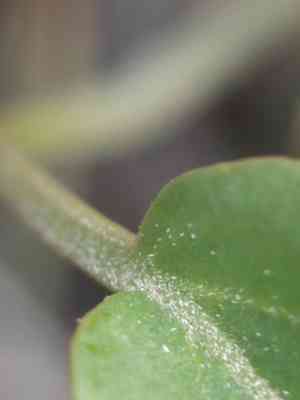
Red cyphomeris flourishes when reproduced via cuttings, an effective and straightforward technique for this particular plant. To achieve optimal outcomes, select robust, non-blooming stems and ensure a sanitized setting to prevent impurities. A rooting stimulant can boost success rates by fostering more rapid root formation. Following the cut, sustain steady hydration and offer ample, diffused illumination to encourage peak development.
When Is the Optimal Time to Propagate Red Cyphomeris?
Propagation Method
Cutting
Propagation Period
Spring,Summer
What Equipment Is Used in Red Cyphomeris Propagation?
Sharp Pruning Shears
Utilized for taking clean, precise cuttings from red cyphomeris, crucial for preventing harm to the parent plant and ensuring healthy cut ends. Sharp instruments reduce disease transmission risk and boost rooting success rates.
Rooting Hormone Powder
Aids in stimulating root development from red cyphomeris cuttings, enhancing the chances of successful propagation. This substance is especially beneficial for red cyphomeris by encouraging faster, stronger root growth, vital for the delicate early stages of cutting propagation.
Sterilizing Solution (e.g., Rubbing Alcohol or Bleach Solution)
Employed for cleaning pruning shears and other tools prior to use. Sterilization is essential to prevent the spread of diseases and pests between plants, particularly important in red cyphomeris propagation to maintain plant health.
Propagation Trays
Serve as a controlled environment for placing red cyphomeris cuttings after preparation. These trays help maintain consistent moisture and temperature, both key factors in successful root development.
Perlite or Vermiculite
Additives mixed into standard potting soil to enhance drainage and aeration. For red cyphomeris, these materials are crucial to ensure cuttings avoid overly moist soil, thereby preventing root rot and fostering healthier root formation.
Humidity Dome
Covers propagation trays to maintain high humidity around red cyphomeris cuttings. This is particularly effective for enhancing air moisture retention, mimicking the natural humid conditions red cyphomeris cuttings require for optimal growth.
How to Propagate Red Cyphomeris?
Propagation Difficulty
Easy
How to Care for Your Newly Propagated Red Cyphomeris?
How to Care for Your Newly Propagated Red Cyphomeris?
Following successful root development, gradually introduce the plant to typical indoor or outdoor conditions. Ensure it receives moderate light and keep the soil consistently moist but not waterlogged. Fertilize the plant with a balanced, diluted feed during the growing season to support its development. Regularly inspect for pests and diseases, and prune as needed to encourage bushier growth.
Common Errors to Avoid When Propagating Red Cyphomeris
Overwatering
Excessive watering of red cyphomeris can lead to root rot, severely impairing its ability to absorb nutrients and thrive. This is particularly damaging during the initial propagation stages, where the plant's root system is not yet fully established.
Insufficient light
Failure to provide red cyphomeris with adequate light can hinder its growth and impede its ability to photosynthesize effectively. This results in a weaker plant less likely to establish successfully when propagated.
Using unsterilized tools
Employing tools like shears or pots that have not been sterilized can introduce harmful pathogens to red cyphomeris. This is a critical oversight, as these pathogens can severely impact plant health, leading to poor growth or even plant death.
Tips For Propagating Red Cyphomeris
Appropriate watering
Ensure red cyphomeris is watered sufficiently but not excessively. The soil should remain moist but not waterlogged to support healthy root development without the risk of root rot.
Optimal light conditions
Provide red cyphomeris with bright, indirect light during its establishment phase. Proper lighting is crucial for promoting vigorous growth and ensuring a high success rate in propagation.
Use of clean tools and equipment
Always use sterilized tools and clean pots when propagating red cyphomeris to prevent disease transmission. This aids in establishing a healthy plant free from detrimental pathogens.



