How to Transplant Pine barren flatsedge?
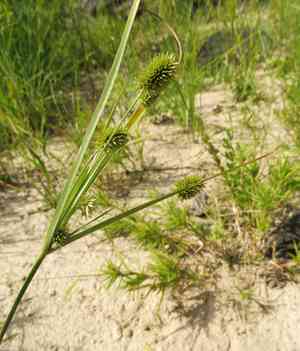
Relocating pine barren flatsedge is most effective from late spring to early summer, as the soil temperature is conducive to root development. Select a site with ample sunlight and good drainage for prime growth. Refrain from moving the plant in excessively moist or arid environments.
What Preparations are Needed Before Transplanting Pine Barren Flatsedge?
What is the Ideal Time for Transplanting Pine Barren Flatsedge?
The best period for relocating pine barren flatsedge, a perennial plant, spans from mid-spring to early summer. This timeframe offers an excellent combination of warm soil and mild temperatures, fostering root development and robust growth. Moving the plant during this season enhances its chances of flourishing and allows ample time for adaptation before the harsher conditions of late summer or winter.
How Much Space Should You Leave Between Pine Barren Flatsedge Plants?
For optimal outcomes, ensure your pine barren flatsedge plants are spaced approximately 12-24 inches (30-60 cm) apart. This provides sufficient room for them to expand and grow without overcrowding.
What is the Best Soil Mix for Pine Barren Flatsedge Transplanting?
Prepare a soil mixture that drains well, possessing a sandy or loamy consistency. Enrich it with a balanced foundational fertilizer to give your pine barren flatsedge a strong start. Aim for a pH level between 5.5 and 7.0 for peak growth.
Where Should You Relocate Your Pine Barren Flatsedge?
Select a location that receives full sun to partial shade. Your pine barren flatsedge requires ample light to thrive, but it can also endure some shade, particularly in warmer climates.
What Equipments Should You Prepare Before Transplantation Pine Barren Flatsedge?
Gardening Gloves
To safeguard your hands while handling soil and plants.
Shovel or Spade
For excavating around the plant and preparing the new planting site.
Hand Trowel
To gently lift the plant, especially useful for smaller or delicate root systems.
Watering Can or Hose
For thoroughly hydrating the plant before and after relocation.
Mulch
To aid in retaining soil moisture post-transplanting.
How Do You Remove Pine Barren Flatsedge from the Soil?
How Do You Remove Pine Barren Flatsedge from the Soil?
From Ground: First, hydrate the pine barren flatsedge plant to moisten the soil. Next, dig a wide trench around the plant using a shovel or spade, ensuring the plantâs root ball remains intact. Carefully work the spade beneath the root ball to extract the plant from its original spot.From Pot: Water the pine barren flatsedge plant thoroughly before removal to ensure the soil stays cohesive. Gently tap the pot to loosen the soil. Invert the pot while supporting the plant's base with your other hand. If the plant doesnât slide out easily, you may need to gently squeeze or shake the pot.From Seedling Tray: Water the pine barren flatsedge plant so the soil is damp. Use a hand trowel or gently push from the bottom of the tray to release the seedling, taking care not to harm the delicate roots.
Step-by-Step Guide for Transplanting Pine Barren Flatsedge
Site Preparation
Choose an appropriate location considering the spacing and soil requirements previously discussed. Dig a hole that is 2-3 times the width of the root ball but no deeper than the root system of the pine barren flatsedge.
Transplant Timing
Relocate the pine barren flatsedge early in the morning or late in the afternoon to avoid the intense midday sun which can stress the plant.
Plant Placement
Position the pine barren flatsedge in the hole, ensuring it is at the same depth as it was in its original location. Carefully spread out the roots if they are constricted.
Backfilling
Refill the hole with soil, gently firming it around the roots to eliminate air pockets. Be careful not to over-compact the soil.
Watering In
Water the transplanted pine barren flatsedge thoroughly to help the soil settle around the root system. This initial watering is vital for helping the plant establish in its new location.
Mulching
Apply a layer of mulch around the base of the pine barren flatsedge to help retain soil moisture and regulate soil temperature.
How Do You Care For Pine Barren Flatsedge After Transplanting?
Watering
Keep the soil around the pine barren flatsedge consistently moist, but not waterlogged, for the initial few weeks after transplanting to aid in developing strong roots.
Monitoring
Regularly inspect the pine barren flatsedge for indications of transplant shock, such as wilting or yellowing leaves, and ensure it receives adequate water and care.
Weeding
Keep the area surrounding the pine barren flatsedge clear of weeds, which can compete for water and nutrients.
Mulch Maintenance
Maintain the layer of mulch, replenishing as needed, to assist with moisture retention and to safeguard the roots.
Troubleshooting Common Issues with Pine Barren Flatsedge Transplantation.
When is the best time to transplant pine barren flatsedge?
The optimal time to transplant pine barren flatsedge is mid-spring to early summer for peak growth.
How far apart should I space transplanted pine barren flatsedge?
Space transplanted pine barren flatsedge 12-24 inches (30-60 cm) apart to ensure proper growth and development.
What type of soil is ideal for pine barren flatsedge?
Plant pine barren flatsedge in well-draining soil with a mix of sand and organic matter for best results.
Should I water pine barren flatsedge immediately after transplanting?
Yes, water pine barren flatsedge thoroughly after transplanting to help establish its roots in the new location.
How can I minimize transplant shock in pine barren flatsedge?
Minimize transplant shock by keeping the roots moist and transplanting during the cooler part of the day.
Do I need to fertilize pine barren flatsedge after transplanting?
It's beneficial to apply a balanced fertilizer after transplanting pine barren flatsedge to encourage root development.
What should I do if pine barren flatsedge looks wilted after transplanting?
Ensure pine barren flatsedge is well-watered and consider shading it temporarily to reduce stress from sun exposure.
Is mulching necessary for transplanted pine barren flatsedge?
Mulching around pine barren flatsedge helps retain soil moisture and suppress weeds, promoting healthier growth.
What is the best tool for digging up pine barren flatsedge for transplanting?
Use a garden spade or trowel to carefully dig up pine barren flatsedge, preserving as much root as possible.
How deep should I replant pine barren flatsedge?
Replant pine barren flatsedge at the same depth it was growing at previously to avoid stressing the plant.



