How to Propagate Pine barren flatsedge?
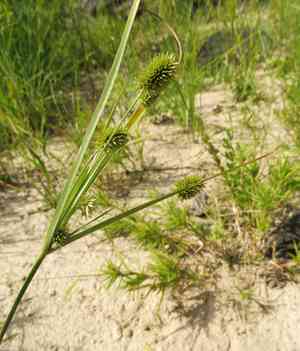
Pine barren flatsedge flourishes when multiplied via separation, a technique perfectly aligned with its natural development. Gently divide the root mass, making certain each segment possesses sufficient roots. Immediately replant these separated portions into damp, adequately draining soil, replicating the illumination and atmospheric conditions pine barren flatsedge inherently favors. This approach fosters robust development and effectively increases your plant inventory.
When Is the Optimal Time to Propagate Pine Barren Flatsedge?
Propagation Type
Division
Propagation Season
Spring,Autumn
What Tools Are Utilized for Pine Barren Flatsedge Propagation?
Sharp Knife or Garden Scissors
These are crucial for making clean cuts through the roots and rhizomes of pine barren flatsedge. A sharp, sterilized blade ensures precise incisions, reducing harm and the risk of illness. This is vital for maintaining the health of pine barren flatsedge during the division process.
Garden Trowel
Used to gently lift pine barren flatsedge from the soil and assist in dividing the root mass without excessive damage. The trowel should be robust enough for the dense soil often found around pine barren flatsedge, yet gentle enough to preserve the root system.
Watering Can with Fine Rose
Following division, it's essential to thoroughly water pine barren flatsedge to help establish the newly propagated plants. A watering can with a fine rose attachment provides a gentle water flow, preventing displacement of soil around the new division.
Rooting Hormone Powder
While not always necessary, applying a rooting hormone to the cut surfaces of pine barren flatsedge's roots can encourage faster root development and enhance the overall success rate of propagation. This is especially beneficial for small divisions or less-than-ideal conditions.
Plant Labels and Permanent Marker
These are used to identify divided plants, particularly when propagating multiple species or varieties simultaneously. Accurate labeling is critical for tracking the growth and development of pine barren flatsedge and ensuring proper post-propagation care.
How to Propagate Pine Barren Flatsedge?
Propagation Type
Easy
How to Care for Your Newly Propagated Pine Barren Flatsedge?
How to Care for Your Newly Propagated Pine Barren Flatsedge?
After propagation, keep the soil consistently moist without over-saturating the containers. Pine barren flatsedge thrives in conditions mimicking its natural, humid habitats. Avoid direct sunlight to prevent leaf scorching. Trim old or dead foliage to promote new growth and regularly check for pests or diseases.
Common Errors to Avoid When Propagating Pine Barren Flatsedge
Overwatering
Excessive watering can lead to root rot and fungal infections for pine barren flatsedge. This plant prefers well-drained soil, so overwatering can impede root development and overall health.
Using inappropriate soil mix
Employing a soil mix that doesn't allow for good drainage can be harmful. Pine barren flatsedge thrives in sandy, well-drained soils; a heavy, clay-rich soil can restrict root growth and impact plant vitality.
Poor division technique
Incorrect division of pine barren flatsedge's rhizomes or roots during propagation can harm the plant. This can result in inadequate root establishment and potentially kill new divisions due to stress and physical damage.
Tips For Propagating Pine Barren Flatsedge
Use sharp and sterile tools
When dividing pine barren flatsedge's rhizomes, utilizing sharp and sterile tools minimizes damage and prevents disease spread. This ensures healthy divisions that can quickly establish in new environments.
Prepare the right soil mix
Creating a blend of sand and peat moss or a commercially available potting mix designed for wetland plants is essential. This helps replicate pine barren flatsedge's natural habitat and supports proper root growth and water drainage.
Maintain moderate moisture levels
Pine barren flatsedge requires consistent moisture but should not be waterlogged. Provide a balance by watering adequately but always ensuring sufficient soil drainage to avoid excessive moisture, which can lead to root problems.



