How to Prune Pine barren flatsedge?
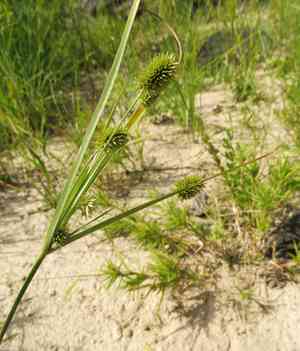
A prominent wetland sedge, pine barren flatsedge thrives in sandy substrates and possesses characteristic three-sided stalks. Trimming is best carried out in early spring or during the winter season to preserve the plant's well-being and manage its expansion. Cutting back withered or excessively dense leaves stimulates revitalization and averts congestion, which is vital for its peak condition. This variety especially profits from pruning to foster thick, new greenery and to improve its structural look in cultivated environments.
What Are the Benefits of Pruning Pine Barren Flatsedge?
What Are the Benefits of Pruning Pine Barren Flatsedge?
Trimming pine barren flatsedge promotes robust development and maintains its form. By eliminating crowded or dead foliage, it helps the plant direct energy towards producing stronger, healthier new growth, thereby improving its overall structure and function.
What Is the Best Time for Pruning Pine Barren Flatsedge?
What Is the Best Time for Pruning Pine Barren Flatsedge?
Pruning pine barren flatsedge in early spring is optimal as it prepares the plant for a new growth cycle, ensuring vigorous development and preserving its desired shape and size. This timing just before the start of the growing season allows the plant to recover quickly and channel its energy into producing new shoots. Additionally, pruning in winter, when pine barren flatsedge is dormant, is effective because it minimizes plant stress. This period of low activity is ideal for significant pruning, as it avoids the sap-flow season, reducing the risk of infection and sap loss, which can be more common in warmer months.
What Tools Do I Need to Prune Pine Barren Flatsedge?
Sharp Scissors or Garden Shears
Given that pine barren flatsedge has relatively thin, sedge-like foliage, sharp scissors or garden shears are perfect for precisely removing dead or unwanted parts. These tools offer accuracy and prevent harm to the plant's delicate structures.
Hand Pruners
Hand pruners are crucial for slightly thicker stems or for more detailed work near the root clump of pine barren flatsedge. They provide better control and can make cleaner cuts, which aids in maintaining plant health and appearance.
How to Prune Pine Barren Flatsedge
Inspect
Periodically check pine barren flatsedge for any indications of diseased or withered leaves. Early identification is vital for preserving plant health and preventing disease spread.
Sanitation
Before starting pruning, sanitize your tools. Use a bleach and water solution or rubbing alcohol to sterilize snips or shears. This prevents the transfer of diseases from infected plants.
Trim diseased
Using the sanitized tools, carefully remove any diseased leaves from pine barren flatsedge. Cut each leaf at its base, close to the stem, to eliminate the entire leaf, including the leaf stalk if affected.
Trim withered
Similarly, cut back any withered or dead leaves. These are identifiable by their dry, brown appearance. Removing these leaves encourages healthier growth and a more attractive plant.
Cleanup
Gather all trimmed material and dispose of it properly to prevent any potential disease from spreading in the garden. Avoid composting diseased material.
Common Pruning Mistakes with Pine Barren Flatsedge
Overpruning
Removing too much foliage from pine barren flatsedge can impede its ability to photosynthesize effectively, leading to weakened growth and reduced vitality.
Incorrect cuts
Making cuts too close to the crown or root area of pine barren flatsedge can damage the plant's base, potentially leading to disease entry and stress.
Neglecting tool hygiene
Using unsanitized pruning tools can introduce pathogens to pine barren flatsedge, potentially resulting in infections and diseases affecting the plant's health.
Common Pruning Tips for Pine Barren Flatsedge
Clean cuts
Use sharp, clean pruning shears to make precise cuts on pine barren flatsedge. This practice helps prevent damage and disease, promoting faster healing.
Selective pruning
Focus on removing only the dead or weakened stems to maintain the health and aesthetic appeal of pine barren flatsedge. This technique ensures the remaining growth is strong and healthy.
Moderation
Practice moderation in pruning to avoid excessive removal of living tissue, which can stress pine barren flatsedge and degrade its overall health and appearance.



