How to Transplant Low flatsedge?
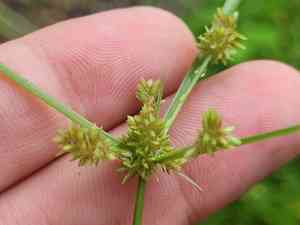
The most favorable period for relocating low flatsedge is from late spring through mid-summer, as these months provide prime conditions for its development. Select a bright spot with soil that drains effectively, which will help the plant settle in properly. Careful handling is crucial for a successful transfer.
What Preparations are Needed Before Transplanting Low Flatsedge?
What is the Ideal Time for Transplanting Low Flatsedge?
The perfect period for moving low flatsedge is from the pleasant days of late spring through the warmth of mid-summer. During this time, natural conditions are optimal, ensuring your low flatsedge establishes successfully in its new spot. This is an excellent time as the soil is warm and inviting, promoting strong root development, helping your low flatsedge flourish. A gentle reminder that ample sunshine and longer daylight hours are highly beneficial for your low flatsedge during this change, encouraging vigorous growth and overall plant health, setting the stage for a productive growing season.
How Much Space Should You Leave Between Low Flatsedge Plants?
When relocating your low flatsedge, ensure proper spacing. Aim for a comfortable distance of 6-8 inches (15-20 cm) between each plant to allow ample room for growth and air circulation, much like friendly neighbors.
What is the Best Soil Mix for Low Flatsedge Transplanting?
To settle your low flatsedge into its new location, prepare a bed with soil that drains well. Incorporate a balanced, slow-release fertilizer as a welcoming gesture. Consider it a comfortable foundation with the ideal support for your green companion.
Where Should You Relocate Your Low Flatsedge?
Select a sunny location where sunlight reaches the ground for most of the day. Your low flatsedge enjoys soaking up the light, similar to a cat in a sunbeam. However, be mindful that excessive afternoon sun can be more damaging than beneficial, so aim for just the right amount.
What Equipments Should You Prepare Before Transplantation Low Flatsedge?
Gardening Gloves
To safeguard your hands while handling soil and plants.
Trowel
For precisely digging out the plant from a pot or seedling tray.
Spade or Shovel
To use when extracting the plant from the ground, useful for digging and lifting larger specimens.
Watering Can
To hydrate the plant before and after relocation, ensuring adequate moisture.
Wheelbarrow or Plant Cart
For moving the plant and soil, especially if the plant is substantial.
Pruning Shears
For trimming any dead or damaged roots or foliage prior to transplanting.
Measuring Tape
To determine the correct depth and width for the planting hole.
Mulch
To apply around the plant's base after transplanting, aiding in moisture retention.
How Do You Remove Low Flatsedge from the Soil?
How Do You Remove Low Flatsedge from the Soil?
From Pot: Gently compress or tap the pot to loosen the soil and root system. Invert the pot while supporting the low flatsedge with your other hand. Carefully ease the plant out to prevent root damage.From Seedling Tray: Water the low flatsedge to facilitate easier removal. Use a trowel or your fingers to gently lift the plant from its cell without pulling on the stems or leaves.From Ground: Thoroughly water the low flatsedge to make the soil more manageable. Use a spade or shovel to dig around the plant, leaving ample space around the root ball. Then, slide the shovel beneath the root ball and carefully lift it from the ground.
Step-by-Step Guide for Transplanting Low Flatsedge
Preparation
Gather all your tools and water the low flatsedge before starting the transplant to minimize shock.
Root Pruning
Use pruning shears to remove any dead or broken roots from the low flatsedge, ensuring a healthy start in its new spot.
Hole Digging
Dig a hole in the ground that is twice the width of the low flatsedge's root ball and the same depth to avoid planting too deeply.
Transplanting
Carefully place the low flatsedge's root ball into the hole, making sure it is level with the ground surface.
Backfilling
Refill the hole with soil, gently firming it with your hands to eliminate air pockets but avoid compacting the soil too tightly.
Watering
Thoroughly water the low flatsedge after planting to settle the soil and provide moisture for the roots.
Mulching
Apply a layer of mulch around the base of the low flatsedge to help retain moisture and regulate soil temperature.
How Do You Care For Low Flatsedge After Transplanting?
Regular Watering
Water the low flatsedge consistently to keep the soil uniformly moist and support root establishment.
Mulch Check
Ensure the mulch stays in place but keep it clear of the low flatsedge's stems to prevent rot.
Monitoring
Observe the low flatsedge for indications of stress such as wilting or discolored leaves and address issues promptly.
Troubleshooting Common Issues with Low Flatsedge Transplantation.
Why is my low flatsedge wilting after transplanting?
Post-transplant wilting can result from root disturbance or insufficient water. Handle gently during transplanting and provide adequate soil moisture.
How do I know the best time to transplant low flatsedge?
The optimal transplanting period for low flatsedge is when conditions are warm but mild, typically from late spring to mid-summer.
What spacing is best for low flatsedge to thrive after transplanting?
Spacing low flatsedge approximately 6-8 inches (15-20 cm) apart provides ample room for growth and reduces competition for nutrients.
Can I transplant low flatsedge in the fall?
Transplanting low flatsedge during cooler seasons is not recommended, as it performs best in the warmth of late spring to mid-summer.
Should I fertilize low flatsedge after transplanting?
A light application of balanced fertilizer can assist establishment, but avoid excessive fertilization, which can harm the roots.
What's the best soil for transplanting low flatsedge?
Utilize a well-draining soil mix, ideally one that holds moisture without becoming waterlogged, to encourage healthy root development.
How much sunlight is required for transplanted low flatsedge?
Position low flatsedge in a spot that receives abundant sunlight, as this plant thrives in bright, direct light conditions.
How often should I water low flatsedge post-transplant?
Water newly transplanted low flatsedge regularly to maintain consistent soil moisture. Adjust frequency based on weather and soil drainage.
What should I do if low flatsedge shows signs of transplant shock?
If signs of shock appear, such as leaf drop or wilting, keep the soil moist and avoid drastic care changes until the plant recovers.
How do I protect low flatsedge from pests after transplanting?
Regularly inspect low flatsedge for pests. Implementing a preventative organic pesticide routine can help deter potential infestations without harming the plant.



