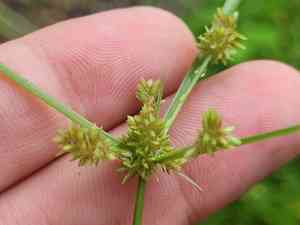
Low flatsedge (Cyperus pumilus)
Also known as: Low Flatsedge
Low flatsedge is a small, grass-like perennial known for its slender stems and basic leaves. It flourishes in wet settings such as marshes, riverbanks, and wetlands, where its fine roots secure it in moisture-rich soils. This ability to adapt to aquatic environments helps low flatsedge stabilize soil and offer habitat for a range of aquatic wildlife. Its clustered, umbrella-shaped flower heads also add subtle visual interest to wetland landscapes.
In This Article
Attributes of Low flatsedge
Lifespan
Annual
Plant Type
Grass
Plant Height
5 cm to 15 cm
Spread
No distinct crown, spreads horizontally
Leaf Color
Green
Flower Size
1.5 mm to 2 mm
Flower Color
White Yellow Green Brown
Images of Low flatsedge
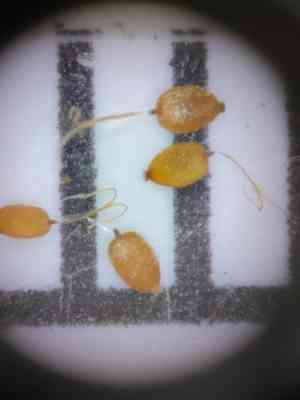
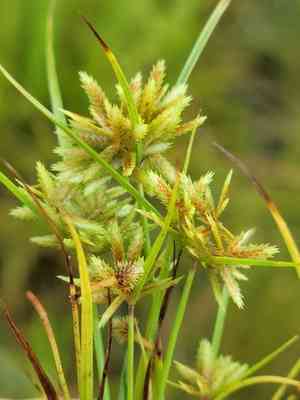
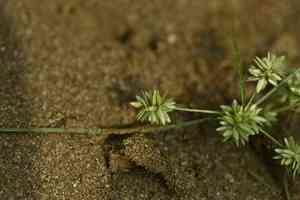
Quickly Identify Low flatsedge
1
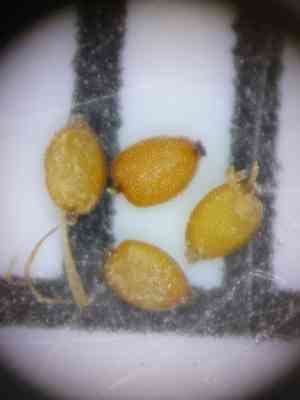
To identify Cyperus pumilus, look for a low-growing plant with a triangular stem and narrow, grass-like leaves. The plant produces small, clustered spikelets that are generally brown or tan in color.
Scientific Classification of Low flatsedge
Phylum
Vascular plants
Class
Monocotyledons
Order
Poales
Family
Sedge
Genus
Nutgrasses
Species
Low flatsedge
Planting and Growing of Low flatsedge
Care Difficulty
Easy
Watering Schedule
Every 3 days
Sunlight Requirements
Full sun
Sunshine Duration
6-10 hours
Ideal Temperature
65-75℉
Soil Type
Potting Mix, Peat Mix
Soil pH
6.5-7.5
Fertilizer Type
Balanced
Pruning Season
Spring, Summer
Pruning Area
Branches, Leaves
Pruning Frequency
2 times a year
Repotting Season
Spring
Pot Type
Plastic, Terracotta
 How to Water Low flatsedge?
When watering Cyperus pumilus, aim to moisten the soil evenly, ensuring that it is saturated but not waterlogged. Use about 200 ml of water, enough to keep the soil consistently damp but not soggy. It's crucial to let the excess water drain freely from the pot.
What are the symptoms of an underwatered Low flatsedge?
›
What should I do if my Low flatsedge is not getting enough water?
›
What are the symptoms of an overwatered Low flatsedge?
›
How to save an overwatered Low flatsedge?
›
 What Are the Sunlight Requirements for Low flatsedge?
The ideal range for Cyperus pumilus involves full to partial sunlight. Proper lighting allows the plant to thrive with vibrant growth, rich greenery, and strong, healthy foliage development.
How much light does Cyperus pumilus need?
›
What are the solutions for achieving ideal light?
›
What are the effects of ideal lighting?
›
 What Is the Ideal Temperature Range for Low flatsedge?
For optimal growth, Cyperus pumilus thrives in a mild temperature range between 65°F and 75°F. These conditions mimic its native environment, where consistent warmth helps maintain its metabolic processes. Providing this stable temperature ensures robust growth and vibrant greenery.
 What Soil is Best for Low flatsedge?
Cyperus pumilus thrives in soils with excellent drainage capability. This species prefers soil that doesn't retain excess moisture, reducing the risk of root rot and fostering healthier growth. For optimal growth, this plant needs soil rich in organic matter. Nutrient-dense soil supports lush and vibrant growth, leading to a more robust plant. A balanced texture of sandy loam provides stability and adequate air pockets for root expansion. This balance is crucial for the plant to anchor effectively while accessing necessary nutrients.
 How to Fertilize Low flatsedge?
Cyperus pumilus typically requires a balanced fertilizer regimen. For liquid fertilizer, mix at half the strength recommended on the package to avoid over-fertilizing. Apply 100ml of this diluted solution per plant during the growing season.
 How to Prune Low flatsedge?
Start by inspecting the plant and look for any brown or dead leaves. Use your sharp shears to cut these off at the base. Removing these parts will not only improve appearance but also boost air circulation. Gently trim the excess growth to maintain the plant’s natural shape. Focus on creating a uniform look by cutting back overgrown areas while ensuring a smooth outline. For Cyperus pumilus, pruning can also be used to encourage new shoots. Trim back some of the healthier stems, which will stimulate new growth and lead to a fuller plant.
More About Pruning Techniques→
 How to Propagate Low flatsedge plant?
1
Begin by acquiring fresh Cyperus pumilus seeds. Sow them thinly in a seed tray filled with well-draining soil mix. Ensure the soil is moistened adequately before sowing.
2
Carefully remove the Cyperus pumilus from its pot and gently shake off excess soil. Use a sharp knife to divide the plant into smaller clumps, ensuring each clump has roots attached.
3
Transplant the divided clumps into new pots filled with a fertile, well-draining potting mix. Water them thoroughly to encourage root establishment.
 How to Repot Low flatsedge plant?
1
Cyperus pumilus usually signals its need for repotting when it becomes root-bound, showing roots protruding from the drainage holes. Spring and early Summer are ideal times as the plant is in its active growth phase, allowing it to recover quickly from the stress of repotting.
2
Selecting a pot with ample drainage holes contributes to preventing waterlogging, which Cyperus pumilus detests. Opt for a pot only one size up from the current one; this helps prioritize root growth while avoiding an overly wet soil environment that can lead to root rot.
3
A well-draining sandy soil mixed with organic matter is vital for Cyperus pumilus. This balance ensures adequate moisture retention without water stagnation, supporting the plant's requirement for consistent moisture while avoiding conditions conducive to rot.



