How to Prune Low flatsedge?
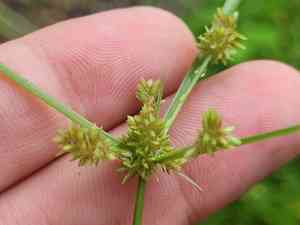
A resilient perennial sedge, low flatsedge flourishes in aquatic environments and damp grasslands. Trimming is recommended in spring, summer, or autumn to preserve the plant's vitality and visual attractiveness. Cut away deceased or excessive leaves near the base to stimulate fresh development. Consistent elimination of aged stalks improves air movement and diminishes pest problems. The ideal period for pruning is right before vigorous growth cycles in early spring or following blooming in late summer to early autumn.
What Are the Benefits of Pruning Low Flatsedge?
What Are the Benefits of Pruning Low Flatsedge?
Trimming low flatsedge promotes robust development and helps maintain its desired form. This action can prevent excessive growth, fostering a compact and appealing shape, vital for its aesthetic and vitality.
What Is the Best Time for Pruning Low Flatsedge?
What Is the Best Time for Pruning Low Flatsedge?
The recommended period for trimming low flatsedge aligns with its active growth phases when the plant can recover more effectively from pruning stress. Pruning in late Spring, just as low flatsedge begins its growth cycle, allows for the removal of any winter-damaged foliage and shapes the plant for healthy new development. Early Summer is also appropriate as low flatsedge will be actively growing; pruning at this time enables gardeners to manage and encourage the desired form. Early Fall pruning should be done carefully, ensuring new growth has time to harden before cold weather arrives. It is crucial to avoid late Fall pruning, which could result in new growth that may not survive winter temperatures.
What Tools Do I Need to Prune Low Flatsedge?
Hand Pruners
Ideal for making precise cuts on low flatsedge, hand pruners enable gardeners to remove dead or overgrown foliage without harming the plant's delicate structure.
Garden Shears
Perfect for trimming and shaping low flatsedge, garden shears provide a clean cut that helps maintain the plant's appearance and health.
Pruning Snips
These are excellent for finer or intricate tasks on low flatsedge, such as thinning out dense areas. Their small blades offer control and access to tight spaces within the stem clusters.
How to Prune Low Flatsedge
Identification
Locate the withered or yellow leaves on low flatsedge, ensuring only the affected parts of the plant are targeted for trimming.
Preparation
Sanitize your pruning tools to prevent the spread of diseases to low flatsedge. Clean scissors or hand pruners are perfect for the delicate nature of low flatsedge's leaves.
Cutting method
Using the clean pruning tool, make a precise cut at the base of the withered leaf, being careful not to damage the healthy parts of low flatsedge.
Disposal
Remove the trimmed leaves from the area around low flatsedge to deter pests and disease. Dispose of them properly, remembering that diseased plant material should not be composted.
Monitor
After pruning, observe low flatsedge for signs of additional stress or wilting and repeat the process as needed to maintain plant vigor and aesthetic appeal.
Common Pruning Mistakes with Low Flatsedge
Over-pruning
Removing too much foliage from low flatsedge can weaken the plant, as it relies on its leaves for photosynthesis. Beginners often make the error of excessive pruning, which can hinder the plant's growth and resilience.
Under-pruning
Some gardeners may be reluctant to cut back low flatsedge sufficiently, leading to a crowded and untidy appearance. This can also obstruct airflow and sunlight penetration, which is crucial for the plant's health.
Incorrect cuts
Making improper cuts, such as tearing stems or leaving jagged edges, can make low flatsedge more vulnerable to diseases and pests. It's important to use sharp tools for clean cuts.
Ignoring dead or diseased stems
Failing to remove dead or diseased material from low flatsedge can attract pests and impede new growth. Regularly checking and trimming away unhealthy sections is essential.
Common Pruning Tips for Low Flatsedge
Clean tools
Always use sterilized and sharp pruning tools to prevent disease spread and ensure clean cuts. This helps maintain the health and appearance of low flatsedge.
Prune conservatively
For low flatsedge, it is better to prune sparingly and more often than to cut back drastically. This respects the plant's natural growth habit and prevents stress.
Focus on older growth
Prioritize trimming older, yellowing, or damaged foliage of low flatsedge to encourage new, vigorous growth. This allows the plant to direct energy to healthy stems.
Maintain shape
When pruning, aim to preserve the natural shape of low flatsedge. This prevents growth issues and helps achieve a visually pleasing form.
Watering post-pruning
After pruning low flatsedge, ensure the plant receives adequate water to support recovery and new growth. However, avoid overwatering as it can cause root rot.



