The Low flatsedge Plant Advantage: Maximizing Home and Office Appeal and Wellness
1
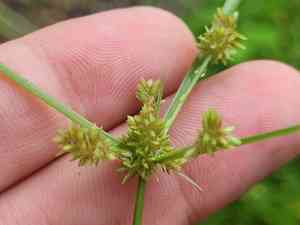
Low flatsedge is a resilient, versatile plant recognized for its ability to prevent soil erosion.
2
This species is an excellent choice for eco-friendly landscaping requiring little upkeep.
3
It improves ground quality by stopping soil from compacting and boosting water absorption.
Why Select Low Flatsedge for Your Garden?
Erosion Control
Low flatsedge is widely recognized for its excellent erosion control capabilities. Its dense root system helps in stabilizing the soil, effectively preventing erosion caused by wind and water. This makes it an excellent choice for areas prone to soil degradation.
Natural Landscaping
For those looking to create natural, low-maintenance landscapes, Low flatsedge is an ideal option. It thrives in various soil types and requires minimal watering once established. This adaptability makes it a sustainable choice for gardens aiming to reduce water usage and maintenance efforts.
How Does Low Flatsedge Improve Soil Health?
Preventing Soil Compaction
Low flatsedge plays a significant role in enhancing soil structure. Its roots penetrate deep into the soil, breaking up hard layers and thereby preventing soil compaction. This allows for better water infiltration and root growth for surrounding plants.
Promoting Water Retention
Another remarkable benefit of Low flatsedge is its ability to enhance soil water retention. Its dense root system creates a network within the soil that traps moisture, reducing the need for frequent watering. This is particularly beneficial in drought-prone regions where water conservation is crucial.
What Are the Ecological Benefits of Low Flatsedge?
Supporting Biodiversity
Low flatsedge supports local wildlife by providing habitat and food sources. Insects, birds, and small mammals often rely on this plant for nourishment and shelter, thus contributing to the overall biodiversity of the area.
Reducing Chemical Use
Because Low flatsedge is naturally resilient to pests and diseases, it reduces the need for chemical pesticides and fertilizers. This not only lowers maintenance costs but also minimizes harmful environmental impacts associated with chemical use.
How to Successfully Grow Low Flatsedge?
Optimal Growing Conditions
Low flatsedge thrives in full sun to partial shade and can adapt to various soil types, from sandy to clayey soils. It is tolerant to both dry and wet conditions, making it a versatile addition to any garden.
Planting and Maintenance Tips
To propagate Low flatsedge, you can start with seeds or transplant small clumps. Ensure the soil is well-prepared and free of weeds. Once planted, water moderately until the plant is established. After that, Low flatsedge requires minimal care, making it an ideal choice for low-maintenance gardening.



