How to Transplant Swamp flatsedge?
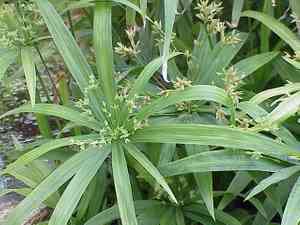
For swamp flatsedge, the ideal period for relocation, facilitating robust root development, spans from late spring to mid-summer. Choose a location with sufficient humidity for peak growth, remembering periodic transplant advice to preserve vitality.
What Preparations are Needed Before Transplanting Swamp Flatsedge?
What is the Ideal Time for Transplanting Swamp Flatsedge?
The optimal period to move swamp flatsedge is during the lively, growth-filled interval from late spring through mid-summer. This timeframe promotes strong root development due to the combination of warming ground and increasing daylight hours, creating an ideal setting for swamp flatsedge's growth. Relocating swamp flatsedge in this season allows it to adapt to its new spot with the energy from longer days and milder nights, providing a solid base for flourishing in its new location. Shifting swamp flatsedge when nature is most supportive ensures a smooth transition for this hardy plant, with moderate weather leading to less transplant shock and improved overall health.
How Much Space Should You Leave Between Swamp Flatsedge Plants?
When preparing to rehome your swamp flatsedge, ensure a spacing of approximately 18-24 inches (45-60 cm) between each plant. This provides ample room for them to thrive without competing for essential resources.
What is the Best Soil Mix for Swamp Flatsedge Transplanting?
For swamp flatsedge, well-draining soil is crucial. Incorporate some organic compost or a balanced slow-release fertilizer to give your plants a healthy start. Aim for a pH that is neutral to slightly acidic.
Where Should You Relocate Your Swamp Flatsedge?
Select a sunny location for your swamp flatsedge, as they flourish in full sunlight. An area receiving at least 6 hours of direct light daily is perfect. If your region experiences intense sun, some partial shade will also be beneficial.
What Equipments Should You Prepare Before Transplantation Swamp Flatsedge?
Gardening Gloves
To safeguard your hands while handling soil and plants.
Shovel or Spade
For excavating the plant and preparing the new planting site.
Watering Can or Hose
To thoroughly hydrate the plant before and after relocation.
Pruning Shears
To trim any damaged roots or leaves prior to transplanting.
Wheelbarrow or Garden Cart
For moving the plant and soil, especially if the plant is large.
Measuring Tape
To ensure correct spacing between plants and the appropriate hole depth.
Organic Mulch (e.g., straw, wood chips)
To help maintain soil moisture around the swamp flatsedge after transplanting.
How Do You Remove Swamp Flatsedge from the Soil?
How Do You Remove Swamp Flatsedge from the Soil?
From Ground: First, moisten the soil around the swamp flatsedge plant. Then, dig a wide trench around the plant using a shovel or spade, ensuring the plant's root ball remains intact. Carefully work the spade beneath the root ball to lift the plant from its original spot.From Pot: Begin by watering the swamp flatsedge plant to facilitate removal. Tilt the pot sideways and gently tap or squeeze the exterior to loosen the soil. Carefully slide the plant out, supporting the root ball.From Seedling Tray: Water the seedlings to soften the soil. Use a small tool or your fingers to gently separate individual swamp flatsedge seedlings, taking care to handle them by their leaves to protect delicate stems and roots.
Step-by-Step Guide for Transplanting Swamp Flatsedge
Preparation
Ensure all necessary tools are ready and the new planting site is prepared.
Plant Removal
Utilize the appropriate method from the 'removal process' to extract the swamp flatsedge from its initial location.
Transportation
Carefully move the swamp flatsedge to its new spot to prevent root damage. Use a wheelbarrow or garden cart if needed.
Hole Digging
Excavate a hole in the ground that is twice the width of the root ball and of equal depth, ensuring a proper fit for the plant's roots.
Plant Positioning
Center the swamp flatsedge in the hole. The top of the root ball should be level with the surrounding soil to prevent water accumulation.
Refilling
Backfill the hole with soil, gently firming it around the plant. Ensure no air pockets remain by lightly pressing the soil.
Watering
Thoroughly water the soil to settle the roots and help eliminate air pockets.
Mulching
Apply a layer of organic mulch around the swamp flatsedge to help maintain soil moisture and temperature.
How Do You Care For Swamp Flatsedge After Transplanting?
Initial Watering
Keep the soil around the swamp flatsedge consistently moist, but not waterlogged, for the first few weeks post-transplant to encourage strong root development.
Monitor for Stress
Observe for indications of transplant shock, such as wilting or discolored leaves, and address them promptly.
Pruning
Trim away any damaged or dead foliage to promote healthy new growth.
Weeding
Regularly remove weeds from around the swamp flatsedge to prevent competition for water and nutrients.
First Year Care
Remember that the swamp flatsedge may require additional attention during its initial growing season to become fully established.
Troubleshooting Common Issues with Swamp Flatsedge Transplantation.
What's the best time to transplant swamp flatsedge?
Choose the ideal period between late spring and mid-summer when temperatures are stable and favorable for swamp flatsedge.
How far apart should I space swamp flatsedge during transplant?
Allow each swamp flatsedge ample room to flourish by placing them approximately 18-24 inches (45-60 cm) apart.
Why are my transplanted swamp flatsedge plants wilting?
Wilting after transplantation often signals shock. Ensure adequate watering and initially avoid direct intense sun to aid recovery.
What soil conditions favor swamp flatsedge after transplanting?
Prepare well-draining, consistently moist soil to welcome swamp flatsedge into their new home for optimal growth.
Can I transplant swamp flatsedge on a hot, sunny day?
Prevent stress for swamp flatsedge by transplanting on cooler, overcast days or in the late afternoon.
Is it okay if roots of swamp flatsedge are exposed briefly?
Keep those roots damp and minimize air exposure; swift transplanting is key to success with swamp flatsedge.
How deeply should I plant swamp flatsedge?
Plant swamp flatsedge at the same depth they were previously growing to prevent stem rot or drying out.
How much should I water swamp flatsedge after transplanting?
Water generously immediately after transplanting to help swamp flatsedge settle in, but avoid saturating the soil.
My swamp flatsedge looks droopy a week after transplanting. What should I do?
Ensure swamp flatsedge receives sufficient water, but not excessively, and check for pests or diseases as a precaution.
Should I use fertilizer when transplanting swamp flatsedge?
Refrain from fertilizing until swamp flatsedge has adapted to its new location, then feed lightly to encourage growth.



