The Swamp flatsedge Plant Advantage: Maximizing Home and Office Appeal and Wellness
1
Swamp flatsedge excels in aquatic habitats, playing a crucial role in water cleansing.
2
Its root system offers inherent erosion prevention, supporting the local ecology.
3
This plant is suitable for diverse eco-friendly landscape designs, valued for its beauty and ecological contributions.
What Is Swamp Flatsedge?
Swamp Flatsedge Attributes
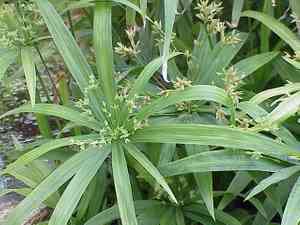
Swamp flatsedge is a perennial, grass-like plant flourishing in aquatic environments. It typically displays slender, upright stems and greenish, spikelet-like blooms. It is predominantly found in tropical and subtropical zones, frequently forming dense clusters in its native habitat.
Where to Locate Swamp Flatsedge?
Commonly found in marshes, bogs, and along river edges, Swamp flatsedge thrives in areas with high moisture. Its adaptability allows it to prosper in both natural and artificial wetlands, making it a favored choice for wetland restoration initiatives.
Ecological Advantages of Swamp Flatsedge
Natural Water Purification
A key benefit of Swamp flatsedge is its capacity to naturally cleanse water. The plant's extensive root system absorbs and filters impurities from water, improving the quality of water bodies where it grows. This makes Swamp flatsedge invaluable for wastewater treatment projects and maintaining clean, healthy ecosystems.
Erosion Prevention
The robust root structure of Swamp flatsedge helps secure soil and prevent erosion. This is especially advantageous for regions prone to flooding or soil degradation. By stabilizing the soil, Swamp flatsedge helps preserve the integrity of riverbanks and coastlines, reducing sediment runoff and safeguarding aquatic habitats.
Practical Applications of Swamp Flatsedge
Eco-Friendly Landscaping
Given its resilient nature and visual appeal, Swamp flatsedge is increasingly utilized in sustainable landscaping endeavors. It can be planted in rain gardens, near water features, or in conservation areas to offer both aesthetic beauty and ecological benefits. Its ability to thrive in wet conditions also makes it ideal for poorly drained areas.
Wildlife Sanctuary
Swamp flatsedge offers an excellent habitat for various wildlife, including insects, birds, and small mammals. The dense foliage provides shelter and breeding grounds, contributing to biodiversity. This makes it an appealing option for wildlife conservation projects and natural habitat restoration efforts.
How Swamp Flatsedge Supports Sustainable Agriculture
Soil Enhancement
Swamp flatsedge can contribute to sustainable agriculture by improving soil quality. Its roots help aerate the soil, increasing its porosity and boosting nutrient availability. This can lead to healthier crops and a reduced need for chemical fertilizers.
Integrated Pest Management
Beyond soil improvement, Swamp flatsedge can assist in integrated pest management strategies. The plant's environment supports beneficial insects that act as natural predators to common crop pests. By fostering a balanced ecosystem, farmers can lessen their reliance on chemical pesticides, promoting a healthier and more sustainable agricultural practice.



