How Much Sunlight Do Swamp flatsedge Need?
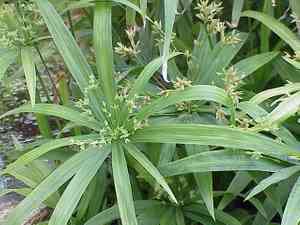
1
Swamp flatsedge flourishes optimally in partial light, getting approximately 3-6 hours of sun each day.
2
Indications of excessive sun exposure involve brown leaf tips and desiccated foliage.
3
With inadequate sunlight, Swamp flatsedge might display inhibited development and a faded look.
Understanding Optimal Light Conditions
Why Light is Essential for Swamp flatsedge
Light plays a crucial role in the development and vitality of Swamp flatsedge, a plant indigenous to marshy and wetland regions. Light supplies the energy necessary for photosynthesis, allowing the plant to generate the sustenance required for its existence. This energy is vital for the growth of strong stems and vibrant, healthy foliage.
Photosynthesis Process in Swamp flatsedge
Photosynthesis is the mechanism by which Swamp flatsedge transforms sunlight into glucose and oxygen, utilizing chlorophyll in its leaves. This process not only sustains the plant but also releases oxygen into the atmosphere, contributing to the ecosystem's health. Sufficient light ensures efficient photosynthesis, leading to improved growth and overall vigor.
Full Sun vs. Partial Shade
Is Full Sun Suitable for Swamp flatsedge?
Swamp flatsedge can endure full sun, meaning it can handle direct exposure for over six hours daily. However, constant full sun exposure might stress the plant, particularly in warmer climates. This is why partial sun is often more advantageous.
Benefits of Partial Shade for Swamp flatsedge
Partial shade, where the plant receives approximately 3-6 hours of sunlight each day, offers a balance that promotes growth without causing stress. This condition mimics its natural habitat and shields it from the intense midday sun. In partial shade, Swamp flatsedge can maintain moist soil conditions, which are critical for its health and well-being.
Tips for Providing Ideal Light
Optimal Planting Locations for Swamp flatsedge
To find the best spot in your garden, seek out areas that receive morning sun and afternoon shade. This placement ensures the plant gets adequate light while avoiding the harshest sun rays. Near water features or boggy areas in gardens can be excellent for replicating its natural environment.
Using Artificial Illumination for Swamp flatsedge
If natural light is limited, you can supplement with artificial lighting. Employ full-spectrum grow lights and position them about 30 cm (12 inches) above the plant. This setup should mimic natural sunlight and should be active for around 8-10 hours daily to ensure sufficient exposure.
Signs Your Swamp flatsedge Needs More or Less Light
Symptoms of Excessive Light Exposure
Look for indications of overexposure such as browning tips, dried or scorched leaves, and general wilting. Moving the plant to a slightly shaded area or providing protective shade cloths can help alleviate these symptoms.
Indicators of Insufficient Light
If Swamp flatsedge isn't getting enough light, you may observe stunted development, pale or yellowing leaves, and a leggy appearance. In such instances, consider relocating the plant to a brighter spot or using grow lights to boost its light intake.



