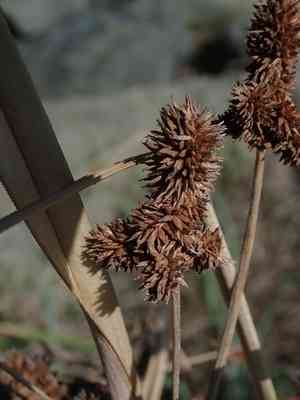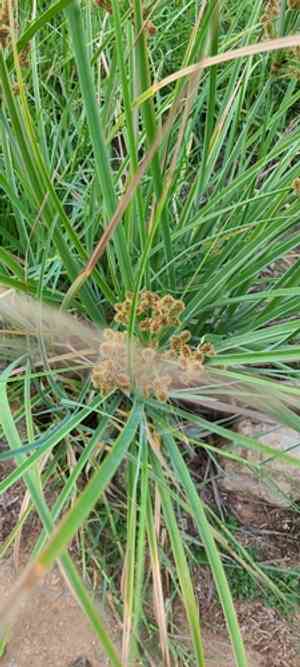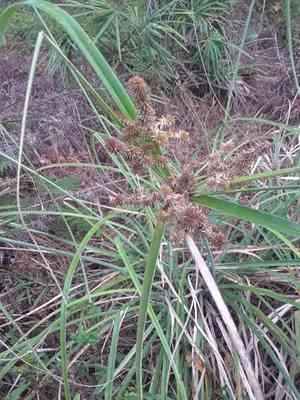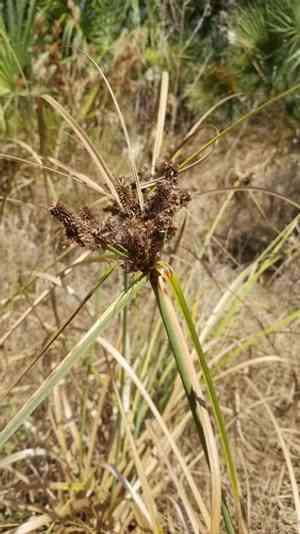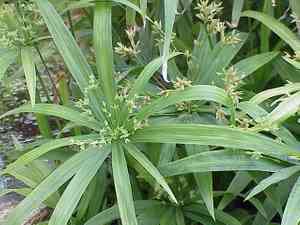
Swamp flatsedge(Cyperus ligularis)

Swamp flatsedge (Cyperus ligularis)

Also known as: Purple Sedge

Swamp flatsedge (Cyperus erythrorhizos) is a perennial sedge commonly found in wetlands such as marshes and riverbanks. It features triangular stems and grass-like leaves, with distinctive clusters of small, spikelet flowers at the top.

Key traits:
1. Triangular stems.
2. Clusters of spikelet flowers.
3. Grass-like foliage.
4. Perennial growth cycle.

Ecological benefits:
1. Soil stabilization: The plant's extensive root network helps prevent erosion.
2. Water purification: Acts as a natural filter, improving water quality by trapping sediments and pollutants.
3. Wildlife habitat: Provides food and shelter for a variety of species, including insects, birds, and small mammals.
4. Biodiversity enhancement: Supports diverse wetland ecosystems by contributing to habitat complexity.

Attributes of Swamp flatsedge

Lifespan
Perennial, Annual, Biennial
Plant Type
Grass
Plant Height
30 cm to 1.3 m
Spread
N/A
Leaf Color
Green
Flower Size
8 mm to 1.5 cm
Flower Color
Brown

ForwardPlant - Identify plants with a snap

Identify and diagnose plants, get toxicity alerts, and explore safety guides for all types of fungi.

Try for Free

Images of Swamp flatsedge

Swamp flatsedge(Cyperus ligularis)

Quickly Identify Swamp flatsedge

1
Cyperus ligularis can be identified by its flat, linear leaves and triangular stems. It produces small, clustered spikelets at the top of the stems, which are characteristic of many sedge species.

Scientific Classification of Swamp flatsedge

Phylum
Vascular plants
Class
Monocotyledons
Order
Poales
Family
Sedge
Genus
Nutgrasses
Species
Swamp flatsedge

Planting and Growing of Swamp flatsedge

Care Difficulty
Easy
Watering Schedule
Every 3 days
Sunlight Requirements
Full sun
Sunshine Duration
4-8 hours
Ideal Temperature
68-86℉
Soil Type
Potting Mix, Peat Mix
Soil pH
6.5-7.5
Fertilizer Type
Balanced
Pruning Season
Spring, Summer
Pruning Area
Branches, Leaves
Pruning Frequency
2 times a year
Repotting Season
Spring
Pot Type
Plastic, Ceramic

water icon How to Water Swamp flatsedge?

Cyperus ligularis should be watered until the soil is evenly moist but not soggy. It's crucial to ensure the topsoil layer remains damp, mimicking the plant's natural wetland habitat. Too much water can lead to root rot, so feel the top inch of soil — if it's dry, it's time to water, usually providing about 150ml.
What are the symptoms of an underwatered Swamp flatsedge?
What should I do if my Swamp flatsedge is not getting enough water?
What are the symptoms of an overwatered Swamp flatsedge?
How to save an overwatered Swamp flatsedge?

sunlight icon What Are the Sunlight Requirements for Swamp flatsedge?

Sunlight Requirements: Full sun, Partial sun
Duration of light: 6 to 8 hours daily
Cyperus ligularis flourishes under full to partial sun conditions. This ideal range supports robust growth, enhances foliage vibrancy, and fortifies the plant's natural defenses.
What is the ideal sunlight condition?
How to achieve ideal lighting?
What benefits does optimal light provide?
More About Sunlight Requirements Techniques

temperature icon What Is the Ideal Temperature Range for Swamp flatsedge?

Ideal Temperature: 68 ~ 86℉
For the growth of Cyperus ligularis, the ideal temperature range is between 68°F and 86°F. This range ensures optimal metabolic functions, promoting healthy growth and robust development. Providing this consistent temperature environment allows the plant to thrive, minimizing stress and maximising photosynthetic efficiency.

soil icon What Soil is Best for Swamp flatsedge?

Soil type: Sandy soil, Loam, Sandy loam
Soil PH: 6.5 ~ 7.5
Cyperus ligularis thrives in well-draining soil as it helps prevent waterlogging, which can lead to root rot and other fungal infections. Ensuring the soil is well-drained enhances root aeration and fosters healthy plant growth. This plant requires soil rich in organic matter to provide the necessary nutrients for vigorous growth. Including compost or well-rotted manure can boost soil fertility, supporting lush vegetative development. The soil should maintain moderate moisture levels to support the water needs of Cyperus ligularis without causing excess moisture stress. This balance helps the plant maintain turgidity and optimal physiological functions.

fertilize icon How to Fertilize Swamp flatsedge?

Fertilizer type: Balanced
Cyperus ligularis benefits from a balanced fertilization approach. Use a liquid fertilizer diluted to half strength; approximately one tablespoon per gallon of water. For solid fertilizers, utilize slow-release granules, applying around 3 to 4 pounds per 100 square feet annually.

prune icon How to Prune Swamp flatsedge?

Pruning Time: Spring, Summer, Autumn
Ensure all your pruning tools are sharp and properly sterilized. This prevents the spread of fungi and other pathogens. Sterilizing tools between pruning sessions is crucial to maintaining plant health. Clean tools make precise cuts, reducing stress on the plant and promoting quicker healing. Avoid heavy pruning during extreme temperature fluctuations, such as late spring or late autumn, to prevent stress. Trim the plant consistently each month but avoid cutting more than one-third of the plant at once. This practice sustains the plant's capacity for photosynthesis and supports continuous growth.

propagate icon How to Propagate Swamp flatsedge plant?

Propagate Time: Spring,Late spring,Early summer
1
Before division, water the Cyperus ligularis thoroughly to loose the soil and ensure easy removal of the root ball. This also reduces the stress on the plant during transplantation.
2
Carefully remove the plant from its pot and take a sharp knife or spade to divide the root ball into smaller pieces. Each division should contain a healthy amount of roots and shoots to ensure successful propagation.
3
Plant each division into a pot filled with the prepared potting mix. Ensure that the roots are well-covered and water the new plants adequately to settle the soil and eliminate air pockets.

repot icon How to Repot Swamp flatsedge plant?

Repotting frequency: Every 2-3 years
1
Cyperus ligularis indicates its need for repotting when roots start circling inside the pot, or water isn't absorbing properly. Look for slow growth and soil that dries out quickly. Spring is an ideal time, aligning with its growth cycle and minimizing stress.
2
Select a pot one size larger than the current pot, ensuring it has adequate drainage holes. This allows roots more space to grow, prevents waterlogging, and reduces the risk of root rot. Materials like clay or ceramic can help regulate soil moisture.
3
Use a well-draining potting mix with organic material such as peat or coco coir. This mix holds enough moisture while allowing excess water to escape. Such soil composition will support healthy root development and mimic the plant's natural habitat.

ForwardPlant - Identify plants with a snap

Find the best spots for them to optimize their health, simply using your phone.

Try for Free