How to Transplant Javanese flatsedge?
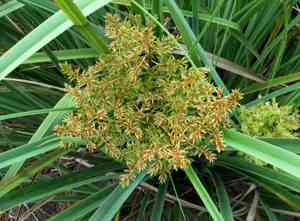
For javanese flatsedge, the ideal period for relocation is after winter's cold subsides but before summer's intense warmth begins—generally from the revitalizing phase of early to late spring. Choose a location that receives full sun to partial shade, featuring damp, adequately draining earth to foster strong development. Confirming the new site replicates its favored environment is crucial for successful integration.
Essential Preparations Before Relocating Javanese Flatsedge
Optimal Period for Moving Javanese Flatsedge?
The best time to move javanese flatsedge is from early spring to the beginning of summer, a period known for renewal and development. This window allows javanese flatsedge ample time to establish its root system and adapt to its new surroundings before harsher weather arrives. Transplanting your javanese flatsedge during these months leverages moderate temperatures and gentle conditions, promoting a more robust and thriving plant. A friendly reminder: successful relocation during this ideal timeframe ensures your javanese flatsedge flourishes, displaying its lush beauty in your garden.
Required Spacing Between Javanese Flatsedge Plants?
When relocating javanese flatsedge, maintain a distance of approximately 18-24 inches (45-60 cm) between each plant. This spacing prevents competition, allowing them to grow vigorously!
Ideal Soil Mixture for Javanese Flatsedge Relocation?
For javanese flatsedge, select well-draining soil and enrich it with a balanced fertilizer prior to planting. A blend of compost and sand will provide javanese flatsedge with an ideal environment for root establishment.
Preferred Location for Your Javanese Flatsedge?
Choose a sunny spot for your javanese flatsedge as they thrive on ample sunlight. An area receiving direct sun for several hours daily will make your javanese flatsedge most content!
Tools Needed Before Transplanting Javanese Flatsedge?
Gardening Gloves
To shield your hands while handling soil and plants.
Shovel or Spade
For excavating the plant from its original site and preparing the new planting hole.
Watering Can or Hose
To thoroughly hydrate the plant before and after its move.
Wheelbarrow
For transporting the plant and soil.
Garden Trowel
For detailed work around the root ball and placement in the new spot.
Pruning Shears
To trim any damaged roots or foliage prior to transplanting.
Measuring Tape
To correctly space the transplant location for javanese flatsedge based on its mature size.
Mulch
To help retain moisture and stabilize soil temperature around the newly planted area.
How to Extract Javanese Flatsedge from the Ground?
How to Extract Javanese Flatsedge from the Ground?
From Ground: Hydrate the javanese flatsedge to moisten the soil. Dig a wide circle around the plant using a shovel or spade, ensuring the root ball remains intact. Carefully lift the javanese flatsedge from the ground, preserving as much of the root ball as possible.From Pot: Water the javanese flatsedge thoroughly. Invert the pot, tap the base, and gently slide the plant out. If the javanese flatsedge is root-bound, carefully separate the roots with your fingers or a gardening tool.From Seedling Tray: Water the seedlings to ensure the soil is damp. Use a garden trowel or your fingers to gently remove individual javanese flatsedge plants from their cells, taking care not to harm the roots or stems.
Detailed Steps for Relocating Javanese Flatsedge
Preparation
Ensure the area where javanese flatsedge will be planted has been cleared of weeds and debris beforehand.
Digging
Using a shovel or spade, excavate a hole in the prepared ground that is twice the size of your javanese flatsedge's root ball.
Plant Inspection
Examine the javanese flatsedge's root ball and trim any damaged roots with pruning shears. If root-bound, gently untangle the roots.
Planting
Position the javanese flatsedge in the center of the hole. Make sure the top of the root ball is level with the surrounding soil surface.
Backfilling
Gradually refill the hole with soil around the root ball. Gently firm the soil with your hands to eliminate any air pockets.
Watering
Water the javanese flatsedge generously immediately after planting to settle the soil around the roots and aid recovery.
Mulching
Apply a layer of mulch around the base of javanese flatsedge to conserve moisture, but avoid piling it against the plant's stem or leaves.
Post-Transplant Care for Javanese Flatsedge
Observation
Regularly inspect the javanese flatsedge for indications of stress, such as wilting or discolored leaves, and address issues promptly.
Watering
Keep the soil around the javanese flatsedge consistently moist for the initial few weeks after transplant to encourage root establishment.
Weeding
Remove weeds near the javanese flatsedge to reduce competition for nutrients and water.
Mulching
Maintain the mulch layer to preserve soil moisture and shield the javanese flatsedge from extreme temperatures.
Pruning
Trim off any dead or damaged foliage to stimulate new growth and help the javanese flatsedge direct its energy towards establishing new roots.
Resolving Common Issues with Javanese Flatsedge Relocation.
When is the best time to move javanese flatsedge?
The optimal period for relocating javanese flatsedge is during early to late spring, allowing the plant to establish itself without extreme cold or heat.
What spacing should I use for javanese flatsedge when transplanting?
Allow javanese flatsedge ample room to thrive by spacing them 18-24 inches (45-60 cm) apart, providing sufficient space for growth.
Why are my relocated javanese flatsedge wilting after planting?
Wilting may indicate shock. Minimize transplant shock by keeping the soil moist and providing shade for the first few days after moving.
What is the ideal depth for planting javanese flatsedge's root ball?
The top of javanese flatsedge's root ball should be level with the soil surface, ensuring roots spread out in their new location.
Can I move javanese flatsedge during summer or fall?
Transplanting javanese flatsedge is best in spring to prevent stress, but if necessary in other seasons, provide extra care like more frequent watering.
How do I prepare the soil for moving javanese flatsedge?
Enrich the planting area with organic matter and ensure well-draining soil to create an ideal home for javanese flatsedge's roots.
How much should I water javanese flatsedge after relocating?
Initially, water javanese flatsedge generously to settle the soil around the roots, then establish a regular watering routine to keep the soil consistently moist.
Can I move mature javanese flatsedge plants or only young ones?
Both young and mature javanese flatsedge can be relocated; mature plants might need additional care to reduce stress during the transition.
My javanese flatsedge looks droopy after transplant, is this normal?
Some drooping is normal as javanese flatsedge adjusts. Keep the soil moist and protect from harsh sun until it recovers.
How do I avoid damaging javanese flatsedge's roots during transplant?
Gently dig around the root zone, preserving as much of the root ball as possible, and lift carefully to prevent breakage.



