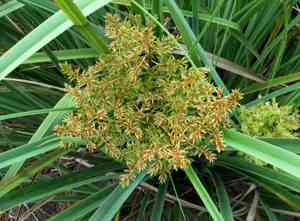
Javanese flatsedge (Cyperus javanicus)
Also known as: Java papyrus, Swamp sedge
The hala plant, also known as pandanus or screw pine, was integral to early Hawaiian culture, being used for making cordage, paintbrushes, strainers, and lei. However, due to its sharp leaf blades, it is not advisable to plant it in high traffic areas.
In This Article
Attributes of Javanese flatsedge
Lifespan
Perennial
Plant Type
Grass
Plant Height
60 cm to 1.2 m
Spread
60 cm
Leaf Color
Green
Flower Size
8 mm to 1.2 cm
Flower Color
Brown
Images of Javanese flatsedge
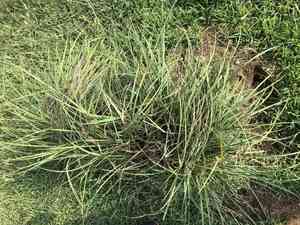
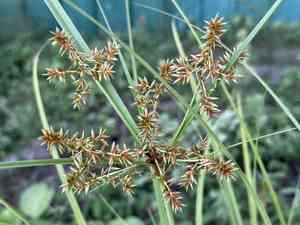
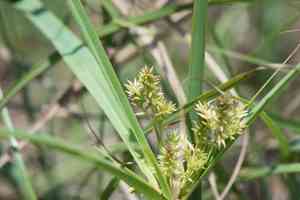
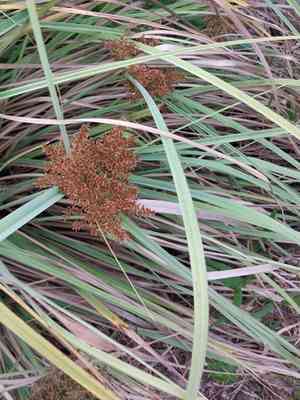
Quickly Identify Javanese flatsedge
1
Cyperus javanicus can be identified by its dense clumps of erect, triangular stems and its clustered, umbrella-like flower heads. The stems are green and often have a smooth texture.
Scientific Classification of Javanese flatsedge
Phylum
Vascular plants
Class
Monocotyledons
Order
Poales
Family
Sedge
Genus
Nutgrasses
Species
Javanese flatsedge
Planting and Growing of Javanese flatsedge
Care Difficulty
Easy
Watering Schedule
Every 3 days
Sunlight Requirements
Partial sun
Sunshine Duration
6-8 hours
Ideal Temperature
68-77℉
Soil Type
Potting Mix, Peat Mix
Soil pH
5.5-7.5
Fertilizer Type
Balanced
Pruning Season
Spring, Summer
Pruning Area
Branches, Leaves
Pruning Frequency
2 times a year
Repotting Season
Spring
Pot Type
Plastic, Ceramic
 How to Water Javanese flatsedge?
Cyperus javanicus prefers consistently moist soil, so aim to water it thoroughly until the soil is completely saturated, but avoid leaving the plant in standing water. Aiming for about 200 ml per watering session is usually sufficient to keep the soil in the ideal condition.
What are the symptoms of an underwatered Javanese flatsedge?
›
What should I do if my Javanese flatsedge is not getting enough water?
›
What are the symptoms of an overwatered Javanese flatsedge?
›
How to save an overwatered Javanese flatsedge?
›
 What Are the Sunlight Requirements for Javanese flatsedge?
Cyperus javanicus thrives best in partial to full sunlight conditions. Ideal light ensures robust growth, healthy foliage, and a stronger resistance to pests and diseases. Balanced light exposure is key to maintaining its vibrant appearance and health.
What are the ideal light conditions for Cyperus javanicus?
›
How can I achieve these ideal conditions?
›
What are the benefits of maintaining ideal light conditions?
›
 What Is the Ideal Temperature Range for Javanese flatsedge?
The ideal temperature range for growing Cyperus javanicus is between 68°F and 77°F. Within this range, the plant thrives best, showcasing optimal growth and development. Temperatures outside this range might hinder its growth rate and overall health.
 What Soil is Best for Javanese flatsedge?
Cyperus javanicus thrives in well-drained soil that prevents water from accumulating and causing root rot. This ensures that the roots can access enough air, reducing the chances of fungal infections. While well-drained, the soil should also retain some moisture to keep the roots hydrated. This balance is crucial as it mimics the plant’s natural wetland habitat, providing an ideal environment for growth. Soil rich in organic matter provides nutrients essential for the healthy growth of Cyperus javanicus. The decomposition of organic material contributes to nutrient cycling, which enhances root development and vigor.
 How to Fertilize Javanese flatsedge?
Cyperus javanicus generally requires a moderate amount of fertilizer. For liquid fertilizers, dilute according to the label instructions, typically 1 teaspoon per gallon of water. For slow-release fertilizers, apply about 1/4 cup per plant, ensuring even distribution around the root zone.
 How to Prune Javanese flatsedge?
Begin pruning Cyperus javanicus by inspecting the plant for any yellowing or dead stems. Use sharp and clean shears to cut these stems at the base where they meet healthy growth. Always aim for a clean cut to minimize damage to healthy tissues. To maintain a neat and tidy appearance, trim back individual shoots that have grown significantly taller or unruly compared to the rest of the plant. Focus on keeping a balanced shape, and avoid trimming more than one-third of the plant at a time to reduce stress.
More About Pruning Techniques→
 How to Propagate Javanese flatsedge plant?
1
Water the Cyperus javanicus thoroughly a day before propagation to ensure the roots are hydrated. This makes dividing the plant easier and less stressful for the plant.
2
Carefully lift the plant from the ground using a spade. Gently shake off excess soil and use a sharp knife or spade to divide the root ball into smaller sections, ensuring each piece has a good amount of roots attached.
3
Replant the divided sections into well-prepared soil with good drainage at the same depth as the original plant. Firm the soil around the roots and water thoroughly to settle the soil.
 How to Repot Javanese flatsedge plant?
1
Cyperus javanicus should be repotted when you notice roots beginning to circle the container or growing out from drainage holes. It might also need a new home if its growth visibly slows down despite regular care, indicating root-bound conditions.
2
Select a pot that's only a couple of inches larger than its current one. Opt for containers with drainage holes to prevent waterlogging, which this species dislikes. Slightly bigger pots encourage better root development without overwhelming the plant.
3
Choose a soil mix that retains moisture yet drains well. A combination of organic materials like peat or coco coir, balanced with perlite or sand, works well. This mix supports the plant's water needs while preventing root rot.
Learn More About Javanese flatsedge Diseases
Anthracnose
Bacterial Leaf Spot
Bacterial Soft Rot
Bacterial Wilt
Chemical Injury
Damping-off
Drought Stress
Fusarium Wilt
Gray Mold
Leaf Spot
Mosaic
Nutrient Deficiency
Nutrient Toxicity
Powdery Mildew
Root Rot
Root-knot Nematode
Rusts
Sooty Mold
Spider Mites
Temperature Stress
Thrips Damage
White Mold



