The Javanese flatsedge Plant Advantage: Maximizing Home and Office Appeal and Wellness
1
Javanese flatsedge is recognized for its outstanding ability to stabilize soil, rendering it useful for preventing erosion.
2
The fibrous material from Javanese flatsedge frequently finds application in customary crafts and fabric production.
3
Javanese flatsedge contributes significantly to sustaining the well-being of aquatic environments.
How Does Javanese flatsedge Aid in Soil Stabilization?
Erosion Prevention
A key advantage of Javanese flatsedge is its capacity to stabilize soil, making it vital for preventing erosion. Its extensive root network anchors soil particles, decreasing the likelihood of soil loss from wind and water. This renders it especially valuable in areas prone to heavy rainfall or strong winds, where soil erosion can be a major concern.
Supporting Agriculture
By stabilizing the soil, Javanese flatsedge indirectly supports farming practices. Healthy soil is crucial for crop cultivation, and the presence of Javanese flatsedge can prevent the depletion of nutrient-rich topsoil. Farmers can thus benefit from more stable and fertile ground, boosting crop yield and sustainability.
What Are The Traditional Applications of Javanese flatsedge?
Crafts and Textiles
The fibrous nature of Javanese flatsedge makes it an excellent material for traditional crafts and textiles. In many cultures, its fibers are extracted and used to create mats, bags, and even clothing. These handcrafted items not only serve practical purposes but also preserve cultural heritage and traditional artistry.
Natural Dyes
Beyond its use in crafts, Javanese flatsedge is also recognized for its natural dyeing properties. The plant yields pigments that can be used to color fabrics, offering natural and eco-friendly alternatives to synthetic dyes. This contributes to sustainable fashion practices and reduces the environmental impact of textile production.
How Does Javanese flatsedge Benefit Aquatic Ecosystems?
Water Purification
Javanese flatsedge plays a critical role in aquatic ecosystems, particularly in water purification. The plant's root system helps to filter out impurities and excess nutrients from the water, thereby maintaining the health and balance of aquatic habitats. This natural filtration process is essential for sustaining biodiversity in ponds, lakes, and rivers.
Wildlife Habitat
Beyond purification, Javanese flatsedge provides a home for various wildlife species. Its dense growth offers ideal shelter for small aquatic animals, insects, and birds. By providing a habitat, Javanese flatsedge supports the food chain and contributes to the overall ecological balance of aquatic environments.
Can Javanese flatsedge Be Utilized in Landscaping?
Visual Appeal
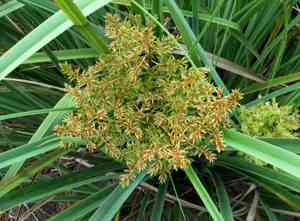
With its vibrant green appearance, Javanese flatsedge is also favored in landscaping. The plantâs aesthetic charm makes it a popular choice for garden borders, water features, and decorative ponds. Its ability to thrive in both wet and dry conditions adds to its versatility as a landscape plant.
Minimal Upkeep
Another advantage of using Javanese flatsedge in landscaping is its low maintenance requirements. The plant is resilient and can adapt to various soil and environmental conditions, making it an excellent option for sustainable gardening. Homeowners and landscape designers alike appreciate the ease of caring for Javanese flatsedge, as it needs minimal intervention once established.
Why Is Javanese flatsedge Important For Sustainability?
Environmental Conservation
Javanese flatsedge contributes significantly to environmental conservation. Its natural ability to stabilize soil, filter water, and provide habitats supports ecological balance. In the face of climate change and environmental degradation, plants like Javanese flatsedge play a pivotal role in maintaining ecosystem health.
Renewable Resource
As a renewable resource, Javanese flatsedge is invaluable for sustainable practices. Whether used for soil stabilization, craft materials, or water filtration, the plant can be harvested and renewed with minimal environmental impact. This makes it an ideal candidate for various sustainable initiatives, promoting a greener future.



