How to Prune Javanese flatsedge?
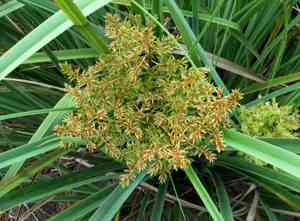
Javanese flatsedge, a perennial sedge frequently located near aquatic environments, flourishes with little upkeep. Trim to manage its dimensions and eliminate faded seed heads. The most suitable time for trimming is in early spring or during winter prior to the emergence of new shoots. Removing deceased or aged leaves improves air circulation and diminishes insect infestations. Gently reduce the density of clusters to preserve plant vigor, avoiding excessive trimming that could impede development. Trimming provides visual enhancement and can stimulate more compact foliage.
What Are the Benefits of Pruning Javanese Flatsedge?
What Are the Benefits of Pruning Javanese Flatsedge?
Trimming javanese flatsedge promotes robust development by eliminating aged or overgrown sections. It also aids in preserving the plant's form, ensuring it stays visually appealing and well-contained within its area.
What Is the Best Time for Pruning Javanese Flatsedge?
What Is the Best Time for Pruning Javanese Flatsedge?
For javanese flatsedge, trimming in early spring coincides with the period just before the start of the growing season. This timing allows the plant to recover from cuts without the energy drain typically experienced during active growth, fostering strong new growth as temperatures rise. Winter pruning is also advantageous as javanese flatsedge is dormant. During this time, the plant's growth slows, minimizing stress and reducing the risk of disease or pest infestation linked to fresh pruning wounds. Furthermore, the absence of leaves in some plant species during winter offers gardeners better visibility for strategic cuts, though javanese flatsedge being evergreen may not show significant foliage reduction. These seasons provide optimal conditions that enhance the overall health and appearance of javanese flatsedge, ensuring it maintains its shape and thrives in its environment.
What Tools Do I Need to Prune Javanese Flatsedge?
Hand Pruners (Secateurs)
These are suitable for trimming and shaping javanese flatsedge, as they can easily cut through stems that are up to 1/2 inch in diameter.
Long-handled Loppers
These can be used for cutting thicker, tougher stems, providing greater reach and leverage, which is ideal for javanese flatsedge that may have denser clusters.
Garden Shears (Pruning Scissors)
Ideal for snipping thin stems and tidying up javanese flatsedge, allowing for precise cuts that promote healthy growth.
Pruning Saw
In case javanese flatsedge has developed woody, thick stems as it matured, a pruning saw can be employed to manage such growth without damaging the plant.
How to Prune Javanese Flatsedge
Sterilize tools
Before starting, sterilize pruning shears or scissors with rubbing alcohol to prevent the spread of disease.
Identify
Inspect javanese flatsedge for diseased and withered leaves, targeting them for removal to maintain plant health and prevent infection.
Trim diseased leaves
Carefully trim off diseased leaves at their base, close to the main stem, ensuring not to harm healthy adjacent foliage.
Trim withered leaves
Remove withered leaves by cutting them at the base as well, which helps stimulate new growth and improves air circulation.
Dispose
After pruning, dispose of the diseased and withered leaves properly to prevent any potential spread of pathogens.
Common Pruning Mistakes with Javanese Flatsedge
Over pruning
Pruning too much of javanese flatsedge at once can shock the plant, potentially leading to poor growth or an unhealthy plant. It's essential not to remove more than one-third of the foliage during a single pruning session.
Not using clean tools
Using dirty pruning tools can introduce pathogens to javanese flatsedge, which may result in disease. Always use sterilized shears or scissors to prevent the spread of pests and diseases.
Cutting at wrong angle
Cuts made on javanese flatsedge should be clean and at an angle that allows water to run off, which helps prevent rot and disease. Incorrect cutting angles can result in water accumulation and increase the chances of disease.
Removing too much new growth
Novice gardeners sometimes mistakenly remove new growth thinking it's unproductive or unhealthy. For javanese flatsedge, it's important to retain healthy new shoots, as this is where new flowering and growth will occur.
Pruning without a plan
Randomly cutting javanese flatsedge without understanding the plant's growth pattern can lead to a lack of shape and vigor. It's crucial to prune with intention and an understanding of the plant's structure.
Common Pruning Tips for Javanese Flatsedge
Sanitize tools
Before and after pruning javanese flatsedge, ensure all tools are cleaned and sterilized to prevent the transfer of diseases between plants.
Remove dead or damaged foliage
Regularly inspect javanese flatsedge and gently prune away dead or damaged foliage to encourage healthier growth and improve air circulation around the plant.
Encourage bushy growth
To promote bushy growth in javanese flatsedge, pinch out the tips of young plants, which encourages lateral growth and results in a denser plant.
Cut to a node
When pruning javanese flatsedge, always cut just above a node (the point on a stem where leaves emerge), which helps promote new growth from that point.
Maintain plant shape
While pruning javanese flatsedge, trim it to maintain its natural shape. This not only contributes to an attractive appearance but also supports the plant's health.



