How to Transplant Hermaphrodite flatsedge?
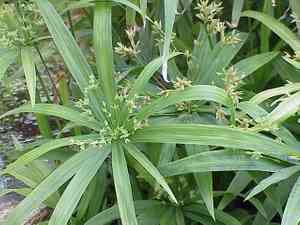
Hermaphrodite flatsedge, a perennial species, flourishes most effectively when relocated from the beginning to the end of spring, benefiting from ideal soil warmth and vigorous growth phases. It prefers sites with full sun to partial shade. Guaranteeing adequately draining soil is crucial for its successful rooting.
What Preparations are Needed Before Transplanting Hermaphrodite Flatsedge?
What is the Ideal Time for Transplanting Hermaphrodite Flatsedge?
The best period for relocating hermaphrodite flatsedge spans from the beginning to the end of spring. Moving them during this window takes advantage of warmer ground temperatures and increased daylight, promoting strong root development and overall plant establishment. This timing also aligns with higher moisture levels from spring rains, ensuring the plant thrives in its new spot.
How Much Space Should You Leave Between Hermaphrodite Flatsedge Plants?
Position hermaphrodite flatsedge plants 12-18 inches (30-45 cm) apart to guarantee ample room for growth without competition for resources.
What is the Best Soil Mix for Hermaphrodite Flatsedge Transplanting?
Prepare a soil mixture that drains well and has a pH from neutral to slightly acidic. Incorporating compost or a balanced base fertilizer will supply the necessary nutrients for hermaphrodite flatsedge to flourish.
Where Should You Relocate Your Hermaphrodite Flatsedge?
Select a location that receives full sun to partial shade. Hermaphrodite flatsedge thrives best with at least 6 hours of daily sunlight.
What Equipments Should You Prepare Before Transplantation Hermaphrodite Flatsedge?
Gardening Gloves
To safeguard your hands while handling soil and plants.
Shovel or Spade
For excavating the plant from its original spot and digging the new planting hole.
Hand Trowel
To assist with smaller digging tasks and positioning the plant.
Watering Can or Hose
To hydrate the plant before and after its relocation.
Compost or Organic Matter
To enrich the soil at the new planting site.
Mulch
To aid in moisture retention and temperature regulation of the soil after transplanting.
Wheelbarrow
To move the plant from its initial location to the new site, especially for larger specimens.
How Do You Remove Hermaphrodite Flatsedge from the Soil?
How Do You Remove Hermaphrodite Flatsedge from the Soil?
From Ground: First, moisten the hermaphrodite flatsedge plant to soften the soil. Then, dig a wide trench around the plant using a shovel or spade, ensuring the plant's root ball remains intact. Carefully work the spade beneath the root ball to lift the plant from its original spot.From Pot: Gently tip the pot onto its side and tap the base to loosen the plant. If the plant remains stuck, use a hand trowel to carefully run along the pot's edges to free the soil. Once loose, slide the plant out, making sure the root ball stays whole.From Seedling Tray: Lightly water the seedlings to make the soil easier to manage. Use a small hand tool or your fingers to gently extract each seedling, ensuring to support the roots and soil as you lift them from the tray.
Step-by-Step Guide for Transplanting Hermaphrodite Flatsedge
Prepare New Location
Clear the new area of any weeds and debris. Dig a hole that is twice the width and the same depth as the root ball of the hermaphrodite flatsedge.
Enrich the Soil
Mix some compost or organic matter into the soil youâve just dug out to improve its fertility and drainage.
Place the Plant
Gently place the hermaphrodite flatsedge into the hole, making sure the top of the root ball is level with the surrounding ground. Fill in around the plant with the enriched soil, pressing it gently to remove air pockets.
Water Thoroughly
Water the plant deeply immediately after transplanting to help settle the soil and reduce transplant shock.
Mulch
Apply a layer of mulch around the base of the plant, but leave a small gap around the stem to avoid rot. This will help retain moisture and regulate soil temperature.
How Do You Care For Hermaphrodite Flatsedge After Transplanting?
Watering
Keep the soil around the hermaphrodite flatsedge consistently moist, but not soggy, for the first few weeks after transplanting to help establish strong roots.
Monitoring
Regularly check the plant for signs of stress, such as wilting or yellowing leaves, and address any issues promptly.
Mulch Maintenance
Replenish mulch as needed to maintain an even layer and ensure the area around the plant stays moist and cool.
Pruning
If the plant appears leggy or stressed, consider light pruning to help it focus its energy on root establishment.
Troubleshooting Common Issues with Hermaphrodite Flatsedge Transplantation.
When is the optimal time to transplant hermaphrodite flatsedge?
The best time to transplant hermaphrodite flatsedge is from early spring to late spring for optimal growth.
How far apart should I space hermaphrodite flatsedge seedlings?
Space hermaphrodite flatsedge seedlings 12-18 inches (30-45 cm) apart to allow for healthy growth.
How deep should I plant hermaphrodite flatsedge seedlings?
Plant hermaphrodite flatsedge seedlings at the same depth they were growing in their original container.
What type of soil is best for hermaphrodite flatsedge?
Use well-draining soil with good moisture retention for best results when transplanting hermaphrodite flatsedge.
Should I water hermaphrodite flatsedge immediately after transplanting?
Yes, water hermaphrodite flatsedge immediately after transplanting to help the roots settle and reduce stress.
Is it necessary to fertilize hermaphrodite flatsedge after transplanting?
A light application of balanced fertilizer can support growth, but avoid over-fertilizing hermaphrodite flatsedge.
How can I minimize transplant shock in hermaphrodite flatsedge?
To minimize transplant shock, handle hermaphrodite flatsedge gently and keep the roots moist during the process.
What should I do if hermaphrodite flatsedge leaves wilt after transplanting?
If hermaphrodite flatsedge leaves wilt, ensure adequate watering and provide partial shade to reduce stress.
How can I tell if hermaphrodite flatsedge is adjusting well after transplanting?
New growth and firm leaves are signs that hermaphrodite flatsedge is adjusting well post-transplanting.
Should I prune hermaphrodite flatsedge before transplanting?
A light prune may help hermaphrodite flatsedge focus on root establishment, but avoid heavy pruning.



