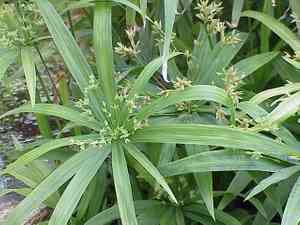
Hermaphrodite flatsedge (Cyperus hermaphroditus)
Also known as: Lilaea, Andean Flatsedge
The plant you're referring to is likely the Hermaphrodite flatsedge. It has a tufted, grass-like look and prefers wet, marshy environments. Its stems are distinctly triangular, and it features umbrella-like clusters of small, greenish flowers. This plant often grows near water, where its dense root system helps stabilize the soil and filter water.
In This Article
Attributes of Hermaphrodite flatsedge
Lifespan
Perennial
Plant Type
Grass
Plant Height
50 to 100 cm
Spread
20-30 cm
Leaf Color
Green
Flower Size
1 to 2 cm
Flower Color
Yellowish-brown
Images of Hermaphrodite flatsedge
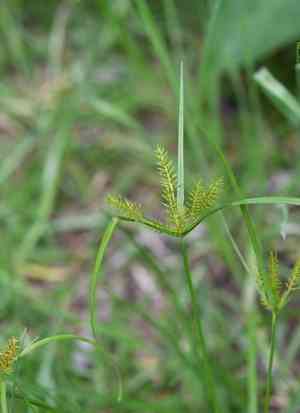
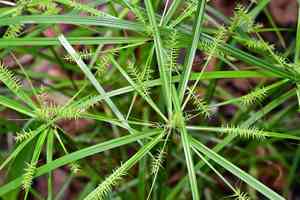
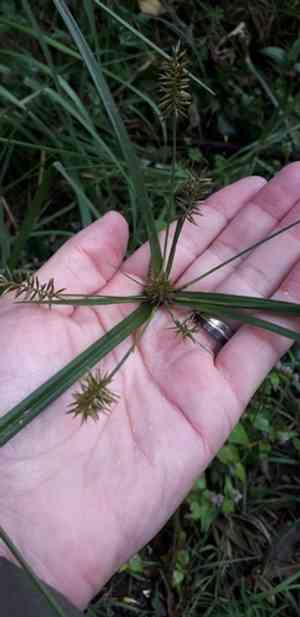
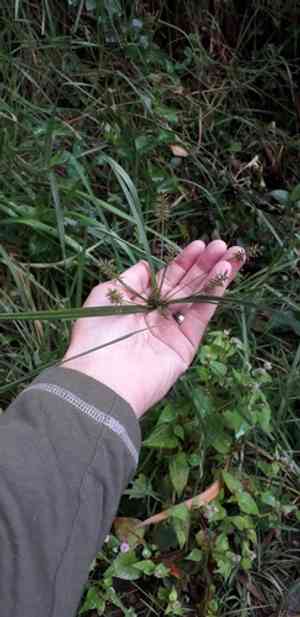
Quickly Identify Hermaphrodite flatsedge
1
Cyperus hermaphroditus can be identified by its tufted appearance, triangular stems, and linear leaves. The plant produces small, spikelet flowers which are grouped in clusters.
Scientific Classification of Hermaphrodite flatsedge
Phylum
Vascular plants
Class
Monocotyledons
Order
Poales
Family
Sedge
Genus
Nutgrasses
Species
Hermaphrodite flatsedge
Planting and Growing of Hermaphrodite flatsedge
Care Difficulty
Easy
Watering Schedule
Every 4 days
Sunlight Requirements
Partial sun
Sunshine Duration
6-10 hours
Ideal Temperature
70-85℉
Soil Type
Potting Mix, Peat Mix
Soil pH
5.5-7.5
Fertilizer Type
Balanced
Pruning Season
Spring, Summer
Pruning Area
Branches, Leaves
Pruning Frequency
2 times a year
Repotting Season
Spring
Pot Type
Plastic, Ceramic
 How to Water Hermaphrodite flatsedge?
For Cyperus hermaphroditus, the watering principle is to keep the soil consistently moist but not waterlogged. Ensure that the water reaches deep into the root zone without creating a soggy environment.
What are the symptoms of an underwatered Hermaphrodite flatsedge?
›
What should I do if my Hermaphrodite flatsedge is not getting enough water?
›
What are the symptoms of an overwatered Hermaphrodite flatsedge?
›
How to save an overwatered Hermaphrodite flatsedge?
›
 What Are the Sunlight Requirements for Hermaphrodite flatsedge?
Cyperus hermaphroditus thrives in partial sun to full shade. Providing it with ideal light ensures a vibrant appearance, encourages healthy growth patterns, and enhances its natural beauty.
What is the best light intensity?
›
How do I ensure the plant receives adequate light?
›
What benefits does ideal lighting provide?
›
 What Is the Ideal Temperature Range for Hermaphrodite flatsedge?
The ideal temperature range for Cyperus hermaphroditus is between 70°F and 85°F. This range provides optimal conditions for growth and development, ensuring the plant photosynthesizes effectively and maintains healthy cellular functions.
 What Soil is Best for Hermaphrodite flatsedge?
Cyperus hermaphroditus thrives in soils that can retain moisture efficiently. Ensuring the soil has good water-holding capacity prevents the plant from drying out and supports its lush growth. Rich, nutrient-dense soil is vital for this plant's health. Nutrients support vibrant foliage and bolster the plant's defense against pests and diseases, ensuring robust growth. Well-aerated soil allows roots to breathe, fostering healthy root development. This is crucial for Cyperus hermaphroditus to establish a strong foundation and absorb nutrients efficiently.
 How to Fertilize Hermaphrodite flatsedge?
Cyperus hermaphroditus requires careful attention to fertilization amounts to thrive. Liquid fertilizers should be applied with a half-strength dilution, approximately 1 tablespoon per gallon of water. Slow-release fertilizers should be used sparingly; apply only about 10 grams around the base of each plant, ensuring even distribution.
 How to Prune Hermaphrodite flatsedge?
Begin by removing any dead or damaged stems. This not only tidies up the plant but also prevents decay and disease from spreading. Cut at the base where the stem meets the main plant. To encourage a bushier appearance, trim back long, leggy stems just above a set of leaves. This will stimulate new growth, resulting in a fuller, more compact plant. When shaping the plant, make small, incremental cuts to achieve the desired shape. Avoid drastic cuts, as they can stress the plant and affect its growth.
More About Pruning Techniques→
 How to Propagate Hermaphrodite flatsedge plant?
1
Collect healthy seeds from mature plants. Clean and dry them thoroughly to protect against mold and fungus. A dry, dark place is ideal for storage until you're ready to plant them in seed trays.
2
Carefully dig around the plant and lift the clump from the soil. Shake off excess dirt and use a garden fork to divide the root clump into smaller sections, each with a good number of roots and shoots.
3
Prepare the ground or pots with well-draining soil. Plant the new divisions at the same depth they were growing in previously. Water them thoroughly after planting to help establish them in their new location.
 How to Repot Hermaphrodite flatsedge plant?
1
Cyperus hermaphroditus should be repotted when you notice roots emerging from the drainage holes, indicating that the plant has outgrown its current pot. Other signs include slow growth despite good care and water retention issues. These are clear indicators that it's time for a larger pot.
2
Select a pot that is 2-3 inches larger in diameter than the current one, with good drainage holes. The extra space allows the roots to expand, promoting healthy growth. A pot with effective drainage prevents waterlogging, which can cause root rot, a common problem if not addressed.
3
Opt for a well-draining potting mix that allows excess water to escape while retaining enough moisture to keep the plant nourished. The mix should be rich in organic matter to support the plant's nutrient needs, helping it to thrive in its new environment.
Learn More About Hermaphrodite flatsedge Diseases
Anthracnose
Bacterial Leaf Spot
Bacterial Soft Rot
Bacterial Wilt
Crown Gall
Cyst Nematode
Damping-off
Downy Mildew
Drought Stress
Fusarium Wilt
Gray Mold
Leaf Spot
Mosaic
Nutrient Deficiency
Nutrient Toxicity
Powdery Mildew
Root Rot
Root-knot Nematode
Rusts
Sooty Mold
Spider Mites
Temperature Stress
Thrips Damage
White Mold



