How to Propagate Hermaphrodite flatsedge?
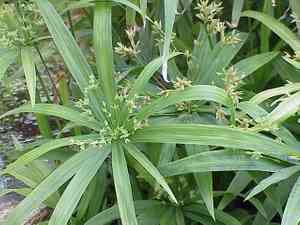
Hermaphrodite flatsedge, a member of the Cyperaceae family, flourishes in aquatic and boggy environments. Effective reproduction is accomplished via division. This technique entails meticulously separating the root masses and transplanting the segments into damp earth. Consistent irrigation guarantees successful rooting. Verify that each separated portion possesses sufficient roots to sustain fresh development. Hermaphrodite flatsedge readily adjusts to diverse wetland circumstances, rendering it robust in appropriate habitats.
Optimal Timing for Hermaphrodite Flatsedge Propagation
Propagation Method
Division
Propagation Period
Spring,Autumn
Tools Required for Hermaphrodite Flatsedge Propagation
Garden Spade
A garden spade is crucial for digging around the hermaphrodite flatsedge clump and carefully lifting it from the ground. Its flat blade allows for precise cuts, minimizing root damage during division.
Hori Hori Knife
The Hori Hori knife is versatile, with a sharp, serrated edge ideal for dividing the root mass of hermaphrodite flatsedge. It ensures clean cuts, preventing root tearing and promoting a healthy root system for each division.
Potting Bench
A potting bench offers a stable, clean area for handling hermaphrodite flatsedge divisions. It helps organize tools and materials, creating an orderly environment that reduces plant stress.
Rooting Hormone
Applying rooting hormone can boost root development in divided hermaphrodite flatsedge sections. This hormone encourages faster establishment and stronger root systems, vital for the new plants' health and growth.
Watering Can
A watering can with a fine nozzle is useful for gently watering hermaphrodite flatsedge divisions immediately after planting. Proper watering helps settle the soil around the roots and provides essential moisture for recovery and growth.
Plant Labels
Plant labels help track different hermaphrodite flatsedge divisions, especially when propagating multiple at once. They ensure each division is correctly identified and cared for.
Hand Pruning Shears
Hand pruning shears are necessary for trimming damaged or dead foliage from hermaphrodite flatsedge divisions. This allows plants to focus energy on root development and new growth, rather than maintaining unnecessary leaves.
How to Propagate Hermaphrodite Flatsedge
Propagation Type
Easy
Post-Propagation Care for Hermaphrodite Flatsedge
Post-Propagation Care for Hermaphrodite Flatsedge
After propagation, ensure hermaphrodite flatsedge plants are in a well-lit area with indirect sunlight. Maintain consistent soil moisture, avoiding both dryness and waterlogging. Lightly fertilize during the growing season with a balanced, water-soluble fertilizer for healthy growth. Regularly check for pests and diseases, taking necessary actions like pruning affected leaves or applying treatments. Mulching can help retain soil moisture and control weeds.
Common Errors to Avoid When Propagating Hermaphrodite Flatsedge
Overwatering
Excessive moisture can lead to root rot, which is harmful to the health and growth of hermaphrodite flatsedge.
Improper Soil Selection
Using poorly draining soil can hinder adequate root development and increase the risk of fungal diseases.
Insufficient Light
Lack of sufficient sunlight can stunt growth and reduce the vigor of hermaphrodite flatsedge.
Incorrect Spacing
Planting too close together can cause overcrowding, inhibiting growth and increasing pest susceptibility.
Neglecting Pests
Failure to manage pests can result in significant damage to hermaphrodite flatsedge, compromising its health and propagation success.
Tips for Propagating Hermaphrodite Flatsedge
Effective Water Management
Ensure the soil is moist but not waterlogged to prevent root rot.
Choose Well-Draining Soil
Use a soil mix that allows excess water to drain effectively, promoting healthy root growth.
Provide Adequate Sunlight
Place hermaphrodite flatsedge where it receives ample indirect sunlight to encourage robust growth.
Maintain Proper Spacing
Give each plant enough space to grow without competing for resources, reducing overcrowding risk.
Monitor and Control Pests
Regularly check for pests and take appropriate measures to control them, protecting hermaphrodite flatsedge from potential damage.



