How to Prune Hermaphrodite flatsedge?
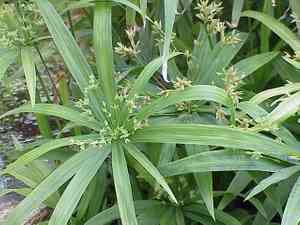
Cyperus hermaphroditus is a resilient perennial sedge characterized by its unique three-sided stalks and umbrella-shaped floral arrangements. To achieve peak development, perform trimming in early spring or during winter, eliminating deceased or compromised sections to encourage vigorous new sprouts. Reducing crowded groupings improves air circulation, lowering the chance of illness. Concentrate on cutting back to the ground level for a neat look and strong growth. These methods not only preserve the plant's visual attractiveness but also foster sturdy progress and general well-being.
What Are the Benefits of Pruning Hermaphrodite Flatsedge?
What Are the Benefits of Pruning Hermaphrodite Flatsedge?
Trimming hermaphrodite flatsedge promotes robust development and helps maintain its form. Regular cutting manages plant size, improves its look, and can boost resistance to pests and illnesses.
What Is the Best Time for Pruning Hermaphrodite Flatsedge?
What Is the Best Time for Pruning Hermaphrodite Flatsedge?
Trimming hermaphrodite flatsedge in early spring allows it to recover and grow strongly during the upcoming season. This timing ensures efficient nutrient and water absorption, fostering healthy new growth. Winter is also ideal as the plant is typically dormant; pruning then minimizes stress and reduces disease or pest risk from open cuts. Additionally, winter pruning helps maintain its structure without disrupting its flowering or fruiting.
What Tools Do I Need to Prune Hermaphrodite Flatsedge?
Hand Pruners
Hand pruners offer precise cuts for smaller stems and leaves of hermaphrodite flatsedge, aiding in shape and health maintenance.
Bypass Pruners
These pruners are effective for cutting live stems without crushing them, which is perfect for the delicate stems of hermaphrodite flatsedge.
Pruning Shears
Pruning shears are suitable for trimming larger clumps of hermaphrodite flatsedge, simplifying its spread management.
Gardening Gloves
Though not a cutting tool, gardening gloves protect hands from cuts and scrapes during pruning, promoting safe practice.
How to Prune Hermaphrodite Flatsedge
Inspect
Examine hermaphrodite flatsedge for any diseased or withered leaves. Note their location and extent of damage.
Equip
Ensure your pruning shears are clean and sterilized to prevent disease spread.
Cut diseased leaves
Carefully trim diseased leaves at their base, near the stem, but avoid harming the main plant structure.
Cut withered leaves
Remove withered leaves by trimming them back to healthy tissue, again taking care not to injure the plant's main body.
Dispose
Properly dispose of all trimmed leaves by bagging them to prevent any potential disease spread.
Common Pruning Mistakes with Hermaphrodite Flatsedge
Improper Technique
Using dull, unclean tools can harm stems and introduce infections. Incorrect cutting angles also impede proper healing.
Excessive Pruning
Over-pruning can cause stress, weaken the plant, and diminish its natural defenses against pests and diseases.
Ignoring Dead or Damaged Parts
Failing to remove dead or damaged stems can attract pests and spread disease throughout the plant.
Pruning at Wrong Nodes
Cutting too close to nodes or leaving long stubs can negatively impact the plant's growth and appearance.
Common Pruning Tips for Hermaphrodite Flatsedge
Use Clean, Sharp Tools
Always use sterilized and sharp pruners or shears for clean cuts, which aid faster healing and reduce infection risk.
Remove Dead or Diseased Parts
Promptly cut away any dead or unhealthy stems and leaves, ensuring to cut back to healthy tissues to prevent disease spread.
Prune Lightly and Regularly
Regular, light pruning is better than heavy, infrequent sessions. This promotes steady, healthy growth without stressing the plant.
Cut at the Right Angle
Make angled cuts just above the nodes to encourage new growth and prevent water accumulation on the cut surface, which can lead to rot.
Maintain Plant Shape
Trim to maintain the natural shape and size of hermaphrodite flatsedge, ensuring better light and air penetration. This supports robust growth and flowering.



