How to Transplant Fendler's flatsedge?
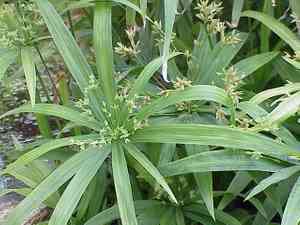
For Cyperus fendlerianus, the most favorable period for relocation is from early to mid-spring, when temperatures are mild and conducive to root development. Select a bright spot with soil that drains effectively for optimal outcomes. Undertake transplantation solely when it is unavoidable.
What Preparations are Needed Before Transplanting Fendler's Flatsedge?
What is the Ideal Time for Transplanting Fendler's Flatsedge?
Moving fendler's flatsedge in early to mid-spring is perfect as it coincides with its active growth, aiding quick establishment. This timing maximizes root development and resilience, leading to a healthier, stronger plant as temperatures rise. It also takes advantage of favorable moisture, lessening transplant shock and boosting long-term vigor.
How Much Space Should You Leave Between Fendler's Flatsedge Plants?
Ensure fendler's flatsedge are spaced approximately 12-18 inches (30-45 cm) apart. This provides ample room for optimal growth without competition for nutrients and water.
What is the Best Soil Mix for Fendler's Flatsedge Transplanting?
Prepare soil that drains well, enriched with organic matter. A foundational layer of compost or balanced fertilizer will provide fendler's flatsedge with a nutritious start.
Where Should You Relocate Your Fendler's Flatsedge?
Place fendler's flatsedge in an area receiving full sun to partial shade. They require at least 6 hours of daily sunlight to develop robustly and healthily.
What Equipments Should You Prepare Before Transplantation Fendler's Flatsedge?
Gardening Gloves
To safeguard your hands while handling soil and plants.
Hand Trowel
For excavating small holes and carefully managing the plant.
Shovel or Spade
To dig a broader and deeper hole for larger specimens.
Watering Can or Hose
To hydrate the soil before and after the relocation.
Garden Fork
To assist in lifting the plant from the ground without harming its roots.
Plant Labels
To identify the new spot and keep track of plant details.
How Do You Remove Fendler's Flatsedge from the Soil?
How Do You Remove Fendler's Flatsedge from the Soil?
From Ground: First, water the fendler's flatsedge plant to moisten the soil. Next, dig a wide trench around the plant using a shovel or spade, ensuring the root ball remains intact. Carefully work the spade beneath the root ball to lift the plant from its original spot.From Pot: Hydrate the fendler's flatsedge plant to moisten the soil, making root extraction easier. Gently tilt the pot sideways, and carefully slide the plant out. If it resists, squeeze the pot's sides or tap its bottom to loosen the soil.From Seedling Tray: Water the seedlings to dampen the soil. Use a hand trowel or your fingers to gently lift each seedling, aiming to keep as much of the root ball intact as possible.
Step-by-Step Guide for Transplanting Fendler's Flatsedge
Preparation
Thoroughly water the fendler's flatsedge plant before removal to ensure roots are hydrated and the soil is more manageable.
Site Preparation
Excavate a hole in the new location that is twice as wide and equally deep as the fendler's flatsedge plant's root ball.
Transplanting
Position the fendler's flatsedge plant in the prepared hole, ensuring it sits at the same depth as it was previously. Backfill the hole with soil, gently patting it down to eliminate air pockets.
Watering
Water the newly transplanted fendler's flatsedge plant thoroughly to help it settle into its new environment. Ensure the soil is uniformly moist but not waterlogged.
How Do You Care For Fendler's Flatsedge After Transplanting?
Watering
Keep the soil around the fendler's flatsedge consistently moist, but not saturated, for the initial weeks post-transplant to encourage strong root development.
Mulching
Apply a layer of mulch around the base of the fendler's flatsedge plant to conserve moisture and stabilize soil temperature.
Monitoring
Regularly inspect the fendler's flatsedge plant for any indications of stress or pests. Remove any competing weeds.
Troubleshooting Common Issues with Fendler's Flatsedge Transplantation.
When is the best time to transplant fendler's flatsedge?
The optimal period to transplant fendler's flatsedge is during early to mid-spring for peak growth.
What spacing should I maintain when transplanting fendler's flatsedge?
Ensure each fendler's flatsedge plant is spaced 12-18 inches (30-45 cm) apart to allow for proper development.
How deep should I plant fendler's flatsedge during transplantation?
Plant fendler's flatsedge at the same depth it was in its original container to prevent stress.
What soil type is best for transplanting fendler's flatsedge?
Fendler's flatsedge thrives in well-draining, sandy or loamy soil with good organic content.
Should I water fendler's flatsedge immediately after transplanting?
Yes, water fendler's flatsedge thoroughly right after transplanting to help it settle and reduce transplant shock.
Does fendler's flatsedge require any fertilization after transplanting?
Lightly fertilize fendler's flatsedge with a balanced, slow-release fertilizer to support its initial growth.
How can I minimize transplant shock in fendler's flatsedge?
Water regularly, avoid damaging roots, and consider using a root stimulator to reduce transplant shock in fendler's flatsedge.
What lighting conditions are best for newly transplanted fendler's flatsedge?
Fendler's flatsedge prefers full sun to partial shade. Ensure it gets adequate light after transplanting.
How should I prepare fendler's flatsedge before transplanting?
Water fendler's flatsedge well the day before transplanting and loosen roots gently before placing in the new location.
Can fendler's flatsedge be transplanted in mid-summer?
Avoid transplanting fendler's flatsedge in mid-summer due to heat stress; early to mid-spring is ideal.



