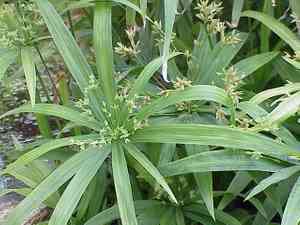
Fendler's flatsedge (Cyperus fendlerianus)
Also known as: None known
Fendler's flatsedge is a perennial sedge commonly found in the southwestern United States, particularly along meadows and streambanks. It features slender stems and linear leaves that form basal clumps. This plant is well-suited for moist environments and typically grows in well-drained soils, where it can develop robust root systems capable of enduring seasonal changes.
In This Article
Attributes of Fendler's flatsedge
Lifespan
Perennial
Plant Type
Grass
Plant Height
Approximately 30-80 cm
Spread
Not applicable as it is a herbaceous plant
Leaf Color
Green
Flower Size
Small, about 2-3 mm
Flower Color
Brownish
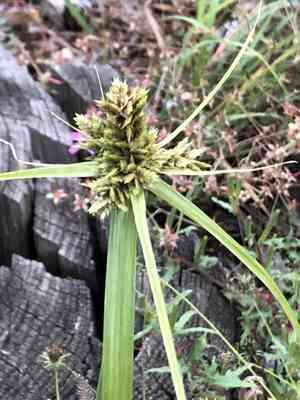
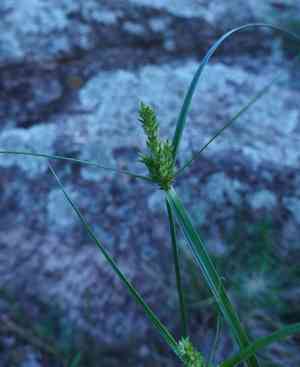
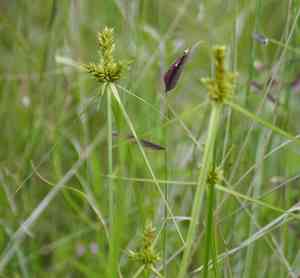
Images of Fendler's flatsedge
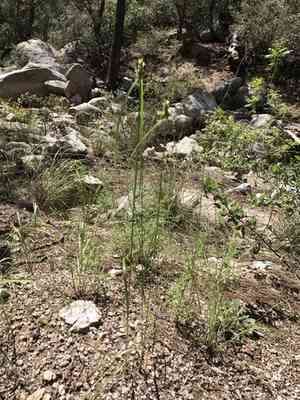
Quickly Identify Fendler's flatsedge
1
This plant can be identified by its grass-like appearance, with triangular stems, and small, clustered brownish spikelets.
Scientific Classification of Fendler's flatsedge
Phylum
Vascular plants
Class
Monocotyledons
Order
Poales
Family
Sedge
Genus
Nutgrasses
Species
Fendler's flatsedge
Planting and Growing of Fendler's flatsedge
Care Difficulty
Moderate
Watering Schedule
Every 2 days
Sunlight Requirements
Partial sun
Sunshine Duration
4-8 hours
Ideal Temperature
65-75℉
Soil Type
Potting Mix, Peat Mix
Soil pH
6.5-7.5
Fertilizer Type
Balanced
Pruning Season
Spring, Summer
Pruning Area
Branches, Leaves
Pruning Frequency
2 times a year
Repotting Season
Spring
Pot Type
Plastic, Ceramic
 How to Water Fendler's flatsedge?
When watering Cyperus fendlerianus, ensure that you apply approximately 150 milliliters each time. This plant thrives in moist conditions, so you should water until the soil is uniformly damp. However, avoid creating waterlogged conditions since this can damage the roots. The idea is to mimic the environmental conditions of its natural habitat, generally found near water bodies.
What are the symptoms of an underwatered Fendler's flatsedge?
›
What should I do if my Fendler's flatsedge is not getting enough water?
›
What are the symptoms of an overwatered Fendler's flatsedge?
›
How to save an overwatered Fendler's flatsedge?
›
 What Are the Sunlight Requirements for Fendler's flatsedge?
Partial sun to full shade offers Cyperus fendlerianus conditions similar to its natural ecosystem. Ideal lighting strengthens its growth, maintains leaf coloration, and boosts the plant’s natural defenses against pathogens.
What are the benefits of ideal lighting?
›
How to achieve ideal lighting?
›
What are the visible effects of ideal lighting?
›
 What Is the Ideal Temperature Range for Fendler's flatsedge?
The ideal temperature range for Cyperus fendlerianus is between 65°F and 75°F. Within this range, the plant exhibits optimal growth and health, ensuring its lush green foliage remains vibrant. Maintaining this temperature helps the plant efficiently manage its physiological processes, providing a stable environment for healthy development.
 What Soil is Best for Fendler's flatsedge?
Cyperus fendlerianus thrives best in well-draining soil, which facilitates root aeration and prevents waterlogging. This ensures roots receive adequate oxygen, promoting healthy growth and mitigating root rot. This plant benefits from a nutrient-rich medium that supports vigorous growth. A soil enriched with organic matter can help improve soil fertility and structure, providing essential nutrients. The need for moderate moisture retention ensures the soil remains moist but not soggy. Proper moisture levels are crucial to support the plant's growth without causing root diseases.
 How to Fertilize Fendler's flatsedge?
For Cyperus fendlerianus, it is crucial to gauge the correct fertilizer amount to prevent over or undernutrition. Generally, use a balanced liquid fertilizer mixed at half strength per label instructions during the growing season.
 How to Prune Fendler's flatsedge?
Start by sterilizing your pruning shears with alcohol to prevent disease. Identify dead or damaged stems and carefully cut them back to healthy growth. Trim excess foliage to maintain the plant's desired shape, cutting just above a node to encourage new growth. Ensure even light and air distribution by thinning overcrowded sections.
More About Pruning Techniques→
 How to Propagate Fendler's flatsedge plant?
1
Ensure the soil is well-draining and rich in organic matter. This preparation is vital for both seed and division propagation, providing a nutrient-rich environment for the plants to develop strong roots.
2
Distribute the seeds evenly across the prepared seed tray. Cover them lightly with soil to promote germination, and ensure they receive even moisture and indirect sunlight to aid in sprouting efficiently.
3
Carefully lift the plant and using a sharp knife, divide the roots. Make sure each division has sufficient roots and stems, then plant each section in its pot promptly to minimize root exposure.
 How to Repot Fendler's flatsedge plant?
1
Cyperus fendlerianus should be repotted when you notice roots emerging from the drainage holes or when the plant shows signs of stunted growth. Repotting every 2-3 years usually suffices, ensuring room for the rhizomes to spread. The ideal time for this is during the growing seasons of spring and summer, preparing the plant for vigorous growth.
2
Select a pot that is 2-3 inches wider in diameter than the current one. This allows ample space for root expansion, promoting healthy growth. Ensure it has sufficient drainage holes to prevent water-logging, a common issue in overly saturated soils, which can lead to root rot.
3
Opt for a well-draining loamy mix that retains enough moisture while providing excellent drainage. This type of soil ensures that water is evenly distributed, preventing water sitting and potential root rot, thus fostering a balanced growing environment for Cyperus fendlerianus.
Learn More About Fendler's flatsedge Diseases
Anthracnose
Bacterial Leaf Spot
Bacterial Soft Rot
Bacterial Wilt
Chemical Injury
Cyst Nematode
Damping-off
Downy Mildew
Drought Stress
Fusarium Wilt
Gray Mold
Leaf Spot
Mosaic
Nutrient Deficiency
Nutrient Toxicity
Powdery Mildew
Root Rot
Root-knot Nematode
Rusts
Sooty Mold
Spider Mites
Temperature Stress
Thrips Damage
White Mold



