How to Prune Fendler's flatsedge?
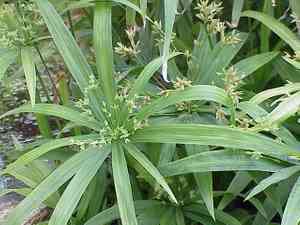
Fendler's flatsedge, recognized for its clumping growth pattern and thin, erect stalks, thrives with trimming to sustain vitality and well-being. The most suitable periods for this maintenance are in early spring and during winter. Remove any deceased or ailing stems and reduce the foliage to stimulate fresh development and avert excessive density. This method improves air movement and elevates the plant's general aesthetic. Consistent trimming aids in controlling its swift expansion, guaranteeing a neat and contained garden space.
What Are the Benefits of Pruning Fendler's Flatsedge?
What Are the Benefits of Pruning Fendler's Flatsedge?
Trimming fendler's flatsedge encourages robust development and helps preserve its form. Consistent cutting prevents excessive growth, improves the plant's look, and lowers the chance of pests and illnesses, ensuring a healthy and attractive garden feature.
What Is the Best Time for Pruning Fendler's Flatsedge?
What Is the Best Time for Pruning Fendler's Flatsedge?
Pruning fendler's flatsedge during early spring and winter is optimal as these periods coincide with the plant's inactive phases. Trimming during dormancy helps prevent undue stress on the plant and encourages vigorous regrowth. Furthermore, cutting before the active growth stage in spring allows fendler's flatsedge to direct its energy into producing strong new shoots and leaves. This timing also ensures that any damaged or dead sections are removed, reducing disease risk and improving overall plant vitality.
What Tools Do I Need to Prune Fendler's Flatsedge?
Hand Pruners
These are perfect for making precise cuts on smaller, thinner stems of fendler's flatsedge. They provide clean cuts which help prevent disease and promote healthy growth.
Bypass Pruners
Bypass pruners are excellent for making clean cuts on green, living stems, which are characteristic of fendler's flatsedge. They ensure minimal harm to the plant.
Garden Scissors
These can be effectively used for trimming and shaping fendler's flatsedge, allowing for detailed work on fine stems and ensuring the plant maintains a neat appearance.
Long-handled Pruners
Utilize these for comfortably reaching the base of fendler's flatsedge without bending over, simplifying the cutting of thicker stems.
How to Prune Fendler's Flatsedge
Inspection
Carefully examine fendler's flatsedge for any diseased or withered leaves. Identify areas that appear unhealthy or dead.
Cleaning Tools
Before beginning the trimming process, ensure all pruning tools are thoroughly cleaned and sanitized to prevent the spread of disease.
Trimming Diseased Leaves
Using sharp, sterilized scissors or pruning shears, trim off any diseased leaves. Make cuts close to the base of the leaf without damaging the surrounding healthy foliage.
Trimming Withered Leaves
Remove withered leaves by cutting them off at their base. Ensure you trim just enough to remove the dead part, maintaining the plant's structural integrity.
Disposal
Dispose of the trimmed diseased and withered leaves properly, away from the garden area, to prevent any potential disease spread.
Common Pruning Mistakes with Fendler's Flatsedge
Incorrect technique
Using dull tools or improper cutting angles can harm the plant, leading to potential infections and stunted growth. Always use sharp, clean tools and cut at a 45-degree angle.
Over-pruning
Removing too much foliage can stress fendler's flatsedge, reducing its ability to photosynthesize and potentially leading to poor growth or plant death. Limit pruning to no more than one-third of the plant at a time.
Poor timing
Timing is crucial for pruning. Avoid random pruning throughout the year, as it can interrupt the plant's natural growth cycle and affect its health and appearance.
Common Pruning Tips for Fendler's Flatsedge
Regular inspections
Keep an eye on fendler's flatsedge by conducting regular inspections to identify dead, diseased, or damaged parts that need removal. Timely intervention prevents the spread of disease and promotes overall plant health.
Strategic cuts
Make strategic cuts to improve airflow and light penetration within the plant. This helps reduce the risk of fungal diseases and enhances the strength and structure of fendler's flatsedge.
Minimalistic approach
Adopt a minimalistic approach, focusing on removing only what is necessary. This ensures that fendler's flatsedge maintains its natural form and continues to thrive without excessive stress.



