How to Propagate Fendler's flatsedge?
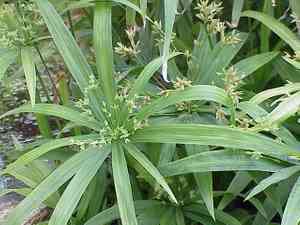
Fendler's flatsedge is a perennial sedge that flourishes in damp environments and wet grasslands. It can be successfully multiplied by dividing its root structure. For propagation, gently excavate an established plant and split the root masses, making sure every piece possesses healthy shoots and roots. Replant these separated sections into appropriate, moist growing mediums for best development. Regularly irrigate the young plants to encourage robust root formation.
Optimal Time for Fendler's Flatsedge Propagation
Propagation Method
Division
Propagation Period
Spring,Autumn
Tools Required for Fendler's Flatsedge Propagation
Sharp Knife or Garden Spade
A keen knife or garden spade is vital for precise and clean separation of fendler's flatsedge rhizomes. This minimizes plant tissue damage, which is key for reducing disease risk and encouraging faster root establishment.
Rooting Hormone
Applying a rooting hormone to the divided edges can boost root development. This is especially beneficial for fendler's flatsedge, potentially improving the success rate of new plant establishment.
Hand Trowel
A hand trowel is useful for transplanting the divided sections of fendler's flatsedge into prepared soil or containers. Its size and form allow for accurate planting, ensuring roots are well-covered and have good soil contact.
Watering Can with Fine Rose
A watering can with a fine rose helps to gently irrigate newly divided plants without excessive soil disturbance. This ensures fendler's flatsedge maintains sufficient moisture for root growth while preventing soil erosion.
Compost or Well-Rotted Manure
Incorporating compost or well-rotted manure into the planting area supplies essential nutrients and enhances soil structure, supporting the health and growth of newly divided fendler's flatsedge plants.
Mulch
Applying mulch around the base of newly planted divisions helps retain moisture, regulate soil temperature, and suppress weeds. This creates an ideal growing environment for fendler's flatsedge.
Labels or Markers
Using labels or markers can assist in tracking newly divided plants, ensuring proper identification and care throughout the growing season.
How to Propagate Fendler's Flatsedge?
Propagation Difficulty
Easy
Caring for Your Newly Propagated Fendler's Flatsedge
Caring for Your Newly Propagated Fendler's Flatsedge?
After propagating fendler's flatsedge, ensure the soil stays consistently moist but not waterlogged, as fendler's flatsedge thrives in damp conditions. Provide partial to full sunlight, depending on the environment. Regularly check for pests and diseases, applying appropriate treatments if necessary. Mulching around the base helps retain soil moisture and controls weed growth. Once established, fendler's flatsedge requires minimal upkeep, making it suitable for low-maintenance gardening.
Common Errors to Avoid When Propagating Fendler's Flatsedge
Overwatering
Excessive watering can lead to root rot and fungal issues, as fendler's flatsedge prefers well-draining soil and does not thrive in overly wet conditions.
Improper Soil Mix
Using soil that retains too much moisture can suffocate the roots. Fendler's flatsedge requires a looser, well-draining soil mix to prevent waterlogging.
Incorrect Light Conditions
Fendler's flatsedge needs ample sunlight to grow properly. Insufficient light can result in weak, leggy growth and poor propagation success.
Temperature Extremes
Exposing fendler's flatsedge to temperatures that are too high or too low can inhibit growth and cause stress to the plant, negatively affecting propagation.
Neglecting to Manage Pests
Ignoring pests such as aphids or spider mites can lead to poor health and stunted growth, hampering successful propagation.
Using Weak or Diseased Parent Plants
Using unhealthy, weak, or diseased parent plants for propagation can result in unsuccessful offspring. Itâs crucial to start with healthy specimens.
Tips For Propagating Fendler's Flatsedge
Use Well-Draining Soil
Opt for a soil mix with good drainage properties to prevent root rot and ensure healthy root development.
Maintain Consistent Moisture Levels
While overwatering is harmful, it is also important to keep the soil consistently moist but not waterlogged.
Provide Adequate Light
Place fendler's flatsedge in an area where it can receive ample indirect sunlight, ensuring strong and healthy growth.
Control Temperature
Monitor the environment to maintain a stable temperature range conducive to fendler's flatsedge, avoiding extreme highs and lows.
Monitor and Manage Pests
Regularly inspect fendler's flatsedge for pests and treat promptly to prevent infestations that can hinder growth.
Select Healthy Parent Plants
Always choose robust and disease-free parent plants for propagation to increase the chances of successful offspring.



