How to Transplant Cynometra?
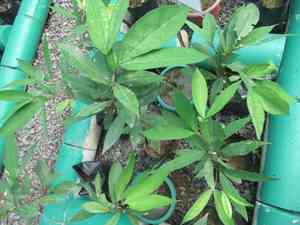
For Cynometra, the ideal time for relocation is from the onset of early spring through the beginning of summer's heat, which fosters vigorous development. Select a location offering dappled sunlight and soil that drains effectively to ensure successful establishment after transplanting.
What Preparations are Needed Before Transplanting Cynometra?
What is the Ideal Time for Transplanting Cynometra?
The best period for moving cynometra is from early spring until just before summer's heat. Shifting cynometra during this window ensures strong root development prior to the stress of intense summer temperatures or cold autumn conditions. The mild spring climate helps cynometra adjust to its new setting with gentle weather and revitalized post-winter soil, boosting its growth and overall health.
How Much Space Should You Leave Between Cynometra Plants?
Prior to transplanting cynometra, measure the distance between each planting spot. Aim for approximately 15-20 feet (4.5-6 meters) of separation. This provides cynometra ample room to expand and flourish without becoming overcrowded.
What is the Best Soil Mix for Cynometra Transplanting?
Prepare a fertile, well-draining loamy soil for your cynometra. Before planting, incorporate a balanced slow-release fertilizer to give cynometra a nutritional boost. Ensure the soil is loose and aerated, as compacted soil can impede development.
Where Should You Relocate Your Cynometra?
Select a location for your cynometra where it will receive partial to full sun exposure. Cynometra appreciates some shade but also requires a good amount of sunlight. Avoid overly shaded areas to ensure healthy growth.
What Equipments Should You Prepare Before Transplantation Cynometra?
Gardening Gloves
To safeguard your hands while handling soil and the plant.
Shovel or Spade
For excavating the plant and re-planting it into the ground.
Watering Can or Hose
To hydrate the plant during and after its relocation.
Mulch
To assist in retaining moisture around the newly planted area.
Pruning Shears
To trim any damaged roots or leaves before the transplant.
Wheelbarrow or Garden Cart
To move the cynometra from its original spot to the new location.
How Do You Remove Cynometra from the Soil?
How Do You Remove Cynometra from the Soil?
From Ground: Thoroughly water the cynometra to moisten the soil and minimize root damage. Dig a circular trench around the plant, leaving ample space to avoid cutting into the root ball. Angle the shovel or spade inward and gently lift the root ball from the earth. Place it onto a wheelbarrow or tarp for transport.From Pot: Water the cynometra well before beginning. Turn the pot on its side and tap the edges to loosen the root ball. Carefully pull the plant out by the base of the stem or by inverting the pot while supporting the plant.From Seedling Tray: Water the seedlings to facilitate removal. Use a spoon or a small tool to lift the seedling by its leaves, not the stem, to prevent damage, ensuring a good amount of soil accompanies the roots.
Step-by-Step Guide for Transplanting Cynometra
Preparation
Water the cynometra prior to starting to ease its transition and lessen shock. Gather all necessary tools and familiarize yourself with the procedure.
Root Ball
Carefully extract the cynometra from its current spot by following the appropriate removal method, ensuring the root ball stays intact and minimally disturbed.
Transit
Gently move the cynometra to the new planting site using a wheelbarrow or garden cart to reduce shaking and root stress.
Planting Hole
Dig a hole twice as wide and as deep as the cynometra's root ball. Position the plant so it sits at the same depth as before, or slightly higher to prevent water from collecting around the stem.
Planting
Place cynometra in the center of the planting hole. Gradually backfill the hole with soil, periodically tamping down to remove air pockets, but avoid over-compacting.
Watering
After transplanting, thoroughly water the cynometra to settle the soil and provide hydration. Apply mulch around, but not touching, the stem to help retain soil moisture.
Support
If the cynometra is large or the location is windy, provide staking or other supports to protect the plant until its roots have become established.
How Do You Care For Cynometra After Transplanting?
Observation
Regularly check on the cynometra to detect any early signs of stress, such as wilting or discolored leaves, and address them promptly.
Watering
Ensure the soil remains moist but not waterlogged, especially during the initial months as the cynometra establishes itself.
Mulching
Apply mulch around the base to conserve moisture and suppress weeds, but keep it away from the stem to prevent rot.
Pruning
Trim off any damaged or dead foliage to help the cynometra direct its energy towards developing new roots.
Staking
Keep any supports or stakes in place for at least the first growing season until the cynometra is stable and strong enough to stand independently.
Troubleshooting Common Issues with Cynometra Transplantation.
What's the best time to transplant cynometra for thriving growth?
Ideally, move cynometra from early to late spring, allowing them to settle before hot weather.
How far apart should I space cynometra when transplanting?
Ensure ample room for growth by spacing cynometra 15-20 feet (4.5-6 meters) apart.
Why are my cynometra's leaves wilting after transplanting?
Wilting may indicate shock. Keep soil moist but not soggy and provide shade for recovery.
Can I prune cynometra during transplanting?
Light pruning is beneficial; remove damaged or excess growth to help the plant focus energy on root establishment.
What type of soil is ideal for transplanting cynometra?
Use well-drained soil rich in organic matter; adjust pH if necessary to suit cynometra's needs.
How much water does cynometra need after transplanting?
Water generously to settle the soil around the roots, then maintain consistent moisture, avoiding saturation.
Should I fertilize cynometra right after transplanting?
Wait until cynometra shows new growth before fertilizing to prevent stressing the newly transplanted roots.
How do I handle root-bound cynometra during transplanting?
Gently separate the roots or make vertical cuts to encourage outward growth.
Why is my cynometra not showing new growth after transplanting?
Be patient; cynometra might be establishing its root system first. Ensure proper care and allow time for growth.
How to protect cynometra from transplant shock during hot days?
Transplant on a cloudy day or provide temporary shade, and use mulch to retain soil moisture.



