How to Prune Cynometra?
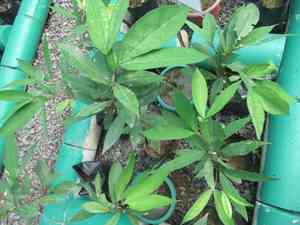
This perennial tree, recognized by its thick foliage and compact, reinforced trunk, thrives with trimming during its dormant winter period. For cynometra, eliminate any lifeless or ailing limbs to preserve the plant's well-being and foster air movement. Prune to sculpt and manage its dimensions. Consistent trimming deters branch congestion, boosting fruit yield and the tree's vigor. Perform precise cuts to prevent harm and expedite recovery.
What Are the Benefits of Pruning Cynometra?
What Are the Benefits of Pruning Cynometra?
Trimming cynometra promotes robust development by eliminating dead or overly dense branches, enhancing light penetration and air circulation. Proper pruning helps maintain the plantâs desired shape, boosting its decorative appeal.
What Is the Best Time for Pruning Cynometra?
What Is the Best Time for Pruning Cynometra?
Pruning cynometra from late winter to early spring is optimal as the plant is in its dormant state. This timing prevents undue stress on cynometra, allowing it to recover swiftly at the start of the growing season. It also reduces the risk of pest and disease infestations, which are more common in warmer conditions. Pruning before the spring growth surge ensures cuts heal quickly, and the plant's energy is directed towards new growth, leading to a healthier and stronger cynometra. Avoiding pruning during frost is crucial as it can harm fresh cuts and hinder the plant's recovery.
What Tools Do I Need to Prune Cynometra?
Hand Pruners
These are vital for making clean, precise cuts on cynometra's smaller branches. Hand pruners are perfect for removing dead or diseased material and shaping the plant without causing unnecessary harm to surrounding growth.
Loppers
When cynometra's branches are too thick for hand pruners, loppers with longer handles provide the necessary leverage to cut through them. Their use prevents hand strain for the gardener and ensures clean cuts on larger branches.
Pruning Saw
For mature cynometra with branches thicker than loppers can manage, a pruning saw is the most suitable tool. It allows for cutting through dense wood without splintering or tearing, which could leave the plant susceptible to disease.
Hedge Shears
If cynometra is cultivated as a hedge or needs shaping over a larger area, hedge shears are practical for trimming and maintaining an even, attractive appearance.
Garden Scissors
For more delicate tasks, such as thinning out smaller or crowded shoots of cynometra, garden scissors are useful. They offer the user precision for shaping the plant without damaging adjacent stems.
How to Prune Cynometra
Clean tools
Sanitize pruning tools before beginning to prevent disease transmission. Use a household disinfectant or a solution of one part bleach to nine parts water to clean all cutting surfaces.
Identify
Examine cynometra carefully to locate dead and diseased branches. Look for branches lacking leaves, showing signs of decay, discoloration, or damage.
Cut dead branches
Use sharp, clean pruning shears to make clean cuts on dead branches. Cut at a 45-degree angle just above a healthy bud or lateral branch, ensuring the cut slopes away from the bud.
Remove diseased branches
Carefully remove diseased branches from cynometra, cutting well below the affected area to prevent further infection. Dispose of diseased material away from healthy plants to avoid contamination.
Final inspection
Inspect cynometra after pruning to ensure a clean and balanced shape. Remove any remaining plant debris from the area to maintain a tidy growing environment.
Common Pruning Mistakes with Cynometra
Over pruning
Removing too much foliage or too many branches at once can stress cynometra, hinder its growth, and make it susceptible to diseases.
Under pruning
Neglecting to remove dead or decaying material from cynometra can attract pests and disease, impeding the plant's overall health.
Improper cut angle
Incorrectly angled cuts can create large wounds on cynometra that heal slowly, increasing the risk of disease.
Cutting too close
Cutting branches of cynometra too close to the trunk can damage the collar, leading to improper healing and potential disease entry.
Cutting too far
Leaving stubs when trimming cynometra can lead to dieback and provide an entry point for pests or diseases.
Ignoring branch structure
Failing to consider cynometra's natural branch structure when pruning may result in uneven growth or loss of the plant's aesthetic form.
Using dull tools
Pruning cynometra with dull tools can cause jagged cuts that heal poorly and invite pests or diseases.
Pruning without disinfecting
Not disinfecting tools between cuts on cynometra can spread pathogens that may lead to disease.
Common Pruning Tips for Cynometra
Sterilize tools
Always sterilize pruning tools before and after use on cynometra to prevent disease spread.
Proper cut angle
Make cuts at a 45-degree angle away from the bud to promote proper healing and water runoff.
2-Thirds Rule
Generally, do not remove more than one-third of cynometra's total foliage in a single growing season to maintain its health and vigor.
Dead and diseased
Regularly remove dead, diseased, or damaged branches from cynometra to promote healthy growth and reduce disease risk.
Open center
Cynometra benefits from an open center pruning technique which involves removing some central limbs to increase light penetration and airflow.
Consistency
Maintain a consistent pruning schedule for cynometra to aid its growth, flowering, and overall shape.
Observant pruning
Pay close attention to the growth patterns of cynometra to determine the specific branches that require pruning.
Rejuvenation
When necessary, perform rejuvenation pruning on cynometra by selectively cutting old growth to stimulate new shoots and invigorate the plant.



