The Cynometra Plant Advantage: Maximizing Home and Office Appeal and Wellness
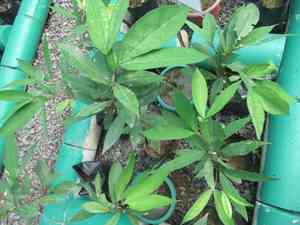
1
Cynometra enhances the earth's condition, proving advantageous for eco-friendly farming practices.
2
The foliage and outer covering of Cynometra are historically utilized for their inflammation-reducing characteristics.
3
Cynometra provides a crucial living space for diverse animal species, fostering ecological variety.
How Does Cynometra Enhance Soil Quality?
Nitrogen Fixation:
A primary advantage of Cynometra is its capacity to fix nitrogen within the soil. This process boosts soil fertility, rendering it particularly valuable for sustainable farming. By improving soil conditions, Cynometra lessens the need for artificial fertilizers, which can harm the environment over time. This natural enrichment aids farmers in growing stronger, healthier crops.
Erosion Control:
Cynometra's extensive root system is vital in preventing soil erosion. By binding the soil together, these roots stop erosion caused by wind and water. This stabilizing effect is especially beneficial in hilly or mountainous areas, where soil loss can be a major issue.
Can Cynometra Be Employed in Traditional Medicine?
Anti-Inflammatory Properties:
The leaves and bark of Cynometra have historically been used for their anti-inflammatory effects. Local populations often prepare infusions or poultices to alleviate pain and swelling. While more rigorous scientific investigation is needed, anecdotal evidence supports the efficacy of these traditional remedies.
Antioxidant Benefits:
Initial research suggests that Cynometra contains potent antioxidants. These compounds help neutralize harmful free radicals in the body, potentially reducing oxidative stress and related illnesses. Antioxidants are crucial for maintaining overall health, and their natural presence in Cynometra makes it a valuable resource.
What Ecological Advantages Does Cynometra Provide?
Supporting Biodiversity:
Cynometra serves as a habitat for a diverse array of wildlife, including birds, insects, and small mammals. By offering shelter and food, Cynometra supports local biodiversity. This ecological role is essential for maintaining balanced ecosystems, which are vital for the planet's health.
Carbon Sequestration:
Cynometra also contributes to combating climate change through carbon sequestration. Trees of this species capture carbon dioxide from the atmosphere, storing it in their biomass and soil. This process helps mitigate the effects of greenhouse gases, making Cynometra an ally in the fight against global warming.
How Is Cynometra Utilized Across Various Industries?
Timber Production:
Cynometra yields high-quality timber, which is used in various industries including furniture manufacturing, construction, and crafts. Its durable wood is prized for its strength and aesthetic appeal. Sustainable harvesting practices ensure that the use of Cynometra for timber does not negatively impact its ecological role.
Ecotourism:
In regions where Cynometra is plentiful, it forms an integral part of ecotourism activities. Guided walks, educational tours, and wildlife observation are just a few activities that can be centered around Cynometra. This not only boosts local economies but also raises awareness about the importance of conserving this versatile species.
Are There Any Difficulties in Conserving Cynometra?
Deforestation:
Like many other valuable plant species, Cynometra faces the threat of deforestation. Illegal logging and land conversion for agriculture or urban development can significantly reduce its populations. Conservation efforts must focus on protecting natural habitats and promoting sustainable land-use practices.
Climate Change:
Climate change poses another significant challenge to the survival of Cynometra. Altered weather patterns, increased temperatures, and changing precipitation levels can affect its growth and development. Mitigating these effects requires global cooperation and stringent environmental policies.



