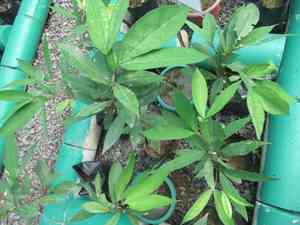
Cynometra (Cynometra ramiflora)
Also known as: Nam-nam
Cynometra is a tropical tree frequently located in mangroves and swamp forests. Its wood is prized for its strength and durability, making it ideal for construction projects like beams and posts. Additionally, it is utilized in crafting furniture, flooring, and tool handles. The wood's resistance to decay makes it suitable for outdoor applications, such as boat building and railway sleepers. Cynometra also serves as a food source for various wildlife, including moths, butterflies, bats, and monkeys.
In This Article
Attributes of Cynometra
Lifespan
Perennial
Plant Type
Tree
Plant Height
4 m to 26 m
Spread
30 cm
Leaf Color
Dark green
Flower Size
0.5-1 cm
Flower Color
White
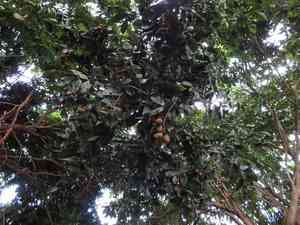
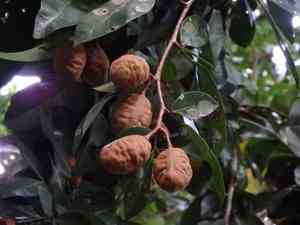
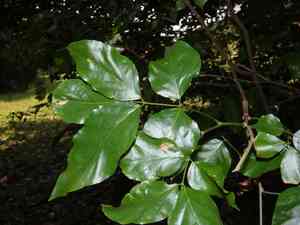
Images of Cynometra
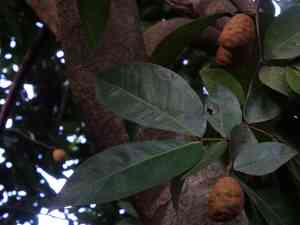
Quickly Identify Cynometra
1
Cynometra ramiflora can be identified by its oblong leaves with a glossy surface, small fragrant flowers, and unique kidney-shaped fruits that grow directly from the trunk or branches.
Scientific Classification of Cynometra
Phylum
Vascular plants
Class
Dicotyledons
Order
Fabales
Family
Legume
Genus
Cynometra
Species
Cynometra
Planting and Growing of Cynometra
Care Difficulty
Hard
Watering Schedule
Every 2 days
Sunlight Requirements
Partial sun
Sunshine Duration
6-10 hours
Ideal Temperature
75-85℉
Soil Type
Potting Mix, Peat Mix
Soil pH
6.5-7.5
Fertilizer Type
Balanced
Pruning Season
Spring, Summer
Pruning Area
Branches, Leaves
Pruning Frequency
2 times a year
Repotting Season
Spring
Pot Type
Plastic, Ceramic
 How to Water Cynometra?
Cynometra ramiflora prefers its soil to be moderately moist. A general rule of thumb is to water deeply, ensuring the soil is soaked to a depth of about 2 inches but allows it to dry out between the watering sessions. This helps to encourage roots to grow deep, making the plant more drought-resistant.
What are the symptoms of an underwatered Cynometra?
›
What should I do if my Cynometra is not getting enough water?
›
What are the symptoms of an overwatered Cynometra?
›
How to save an overwatered Cynometra?
›
 What Are the Sunlight Requirements for Cynometra?
Cynometra ramiflora grows best in partial sunlight, which facilitates balanced photoactivity and prevents harm. It supports robust growth, rich foliage, and the plant's natural resilience and adaptiveness.
What is the best location for Cynometra ramiflora?
›
How can you adjust its light exposure indoors?
›
What benefits does the right light intensity offer?
›
 What Is the Ideal Temperature Range for Cynometra?
The ideal temperature range for growing Cynometra ramiflora is between 75°F and 85°F. This range allows for optimum physiological processes like photosynthesis and growth, ensuring that the plant develops healthily. Maintaining this temperature ensures strong root development and robust foliage.
 What Soil is Best for Cynometra?
Cynometra ramiflora thrives in nutrient-rich soils that provide essential minerals for growth. A loamy soil enriched with organic matter can substantially enhance the plant's health, enhancing its lush foliage and vibrant flowers. This plant favors well-drained soil to prevent waterlogging, which can stunt growth. Sandy loam is ideal, ensuring roots can breathe and minimizing disease risks, supporting robust vegetative and root development. While it prefers drainage, Cynometra ramiflora also enjoys consistent moisture. Ensuring the soil retains enough water without becoming saturated fosters healthy root development and steady growth, particularly in early development stages.
 How to Fertilize Cynometra?
For Cynometra ramiflora, it is advisable to apply 100 ml of diluted liquid fertilizer per plant every two weeks. For slow-release fertilizers, use about 50 grams per application, ensuring an even spread around the base of the plant.
 How to Prune Cynometra?
Begin by examining the tree for any visible dead or damaged branches. Use sharp, sterilized pruning shears to make a clean cut just above a healthy bud or branch junction. This encourages the plant to heal efficiently and promotes new growth. To maintain the natural shape of Cynometra ramiflora, prune for structure by identifying and eliminating branches that disrupt the desired form. Remove any branches that crowd the canopy or grow towards the inside to ensure sufficient space and shape retention. After pruning, monitor the plant for any signs of stress. Water the plant adequately but avoid overwatering. Consider applying a balanced fertilizer to support recovery and encourage robust growth following the pruning process.
More About Pruning Techniques→
 How to Propagate Cynometra plant?
1
Collect mature seeds from healthy plants. Ensure seeds are fully developed by inspecting their color and size, indicating readiness for planting.
2
Choose semi-ripe cuttings from the parent plant. It's crucial to select cuttings that are neither too woody nor too green to enhance the potential for root development.
3
Align vascular cambiums of the scion and rootstock precisely. Secure with grafting tape while maintaining cleanliness to facilitate successful plant integration and growth.
 How to Repot Cynometra plant?
1
Cynometra ramiflora signals repotting needs through root-bound conditions, reduced growth, and drying soil. The ideal time to repot is when you see roots outgrowing the container or poking out of the drainage holes.
2
Opt for a pot that is one or two sizes larger than the current one with ample drainage holes. This choice promotes better root aeration, minimizes waterlogging risks, and encourages healthy new growth.
3
Select a well-draining loamy soil mix to ensure proper moisture retention and root aeration. This type of soil mitigates risks of root rot and supports the plant's nutritional needs effectively.
Learn More About Cynometra Diseases
Anthracnose
Bacterial Leaf Spot
Bacterial Soft Rot
Bacterial Wilt
Black Spot
Chemical Injury
Crown Gall
Cyst Nematode
Damping-off
Drought Stress
Fusarium Wilt
Gray Mold
Leaf Curl
Leaf Spot
Mosaic
Nutrient Deficiency
Nutrient Toxicity
Powdery Mildew
Root Rot
Root-knot Nematode
Rusts
Sooty Mold
Spider Mites
Temperature Stress
Thrips Damage
White Mold



